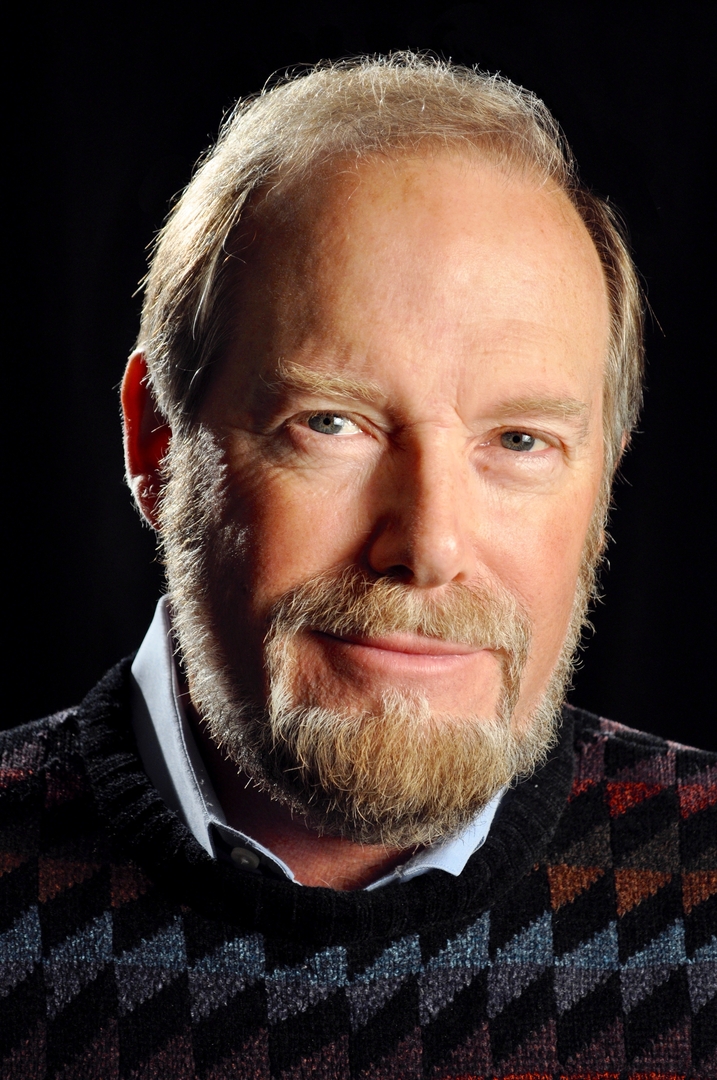
Steven W. Mosher
American social scientist
18
APPEARANCES
5
PODCASTS
Oct 1, 2026


Steven MosherGUEST
First of all, you know, the rule is to keep your friends close and your enemies closer.
Steven MosherGUEST
He knows that it is important to the re-industrialization of the United States that we not get in any open conflict with China.
Steven MosherGUEST
And so he's trying to manage the relationship, trying to achieve what we call stability in relations with China.
13 MINS LATER


Steve MosherGUEST
And, you know, I was really expecting a six month extension on the Busan agreement.
6 MINS LATER
Steve MosherGUEST
And, you know, I was really expecting a six month extension on the Busan agreement.
Steve MosherGUEST
Well, first of all, let me say, Brian, that was a brilliant introduction, and I think you covered all the major points.
Steve MosherGUEST
I think we'll see a lot of pomp and ceremony as Trump flatters Xi's ego by treating him as the most important visiting dignitary in the world.

Brian KilmeadeHOST
Steve, your thoughts on the American debate and how it fits with China's debate?
Steven W. MosherGUEST
I mean, uh, Swalwell's story is, is, is indicative of something that's happened, I'm afraid, I don't know, hundreds, thousands of times in the United States.
Steven W. MosherGUEST
I mean, the story usually begins, as it did with Swalwell, with a Chinese intelligent agent, and in his case, it was, uh, [laughs] she had the name Fang Fang, and the tools of her trade were money, drugs, and her body.
Steven W. MosherGUEST
Uh, and of course, that's the tools of the intelligence agent's trade in general, uh, from China because they use money, uh, they use drugs, and they use sex to compromise people, and once the people are compromised, of course, they extract information from them.
Steven W. MosherGUEST
Uh, and, and, and, and of course, [laughs] in the case of Swalwell, she probably used all three to get to Swalwell.
Steven W. MosherGUEST
Uh, Swalwell, like so many American politicians, is, was an obvious target for a Chinese honeypot.
12 MINS LATER
Steven W. MosherGUEST
I think we're gonna find out, uh, some really explosive information about what really happened in the months leading up to 2020.
Steven W. MosherGUEST
And, you know, I think, uh, a, a lot of the information that was coming out in, in 2020 before the election was hidden by the CIA, by the intelligence agencies from Donald Trump.
Steven W. MosherGUEST
But you will remember that, uh, he tweeted out in... on, on June 22nd of 2020.
7 MINS LATER
Brian KilmeadeHOST
Steve, your reaction to what we know about the summit and the way these two got along.
Steven MosherGUEST
Well, I think they got along splendidly because Xi Jinping was very, very, uh, interested in making nice to Donald Trump.
Steven MosherGUEST
The goose-stepping soldiers, the little children bobbing up and down like so many spring-loaded robots, all obviously contrived, phony, and fake.
Steven MosherGUEST
But, so, so Trump enters Beijing, uh, looking like a conquering hero, which Brian, if you look at recent happenings around the world, that's actually a pretty apt description of where we stand vis-a-vis China.
Steven W. MosherGUEST
Yeah, I think it's, uh, it, it's as much about China as, uh, Panama was, as Venezuela was, as Greenland was, as, uh, as all of Trump's major foreign policy initiatives around the world are.
Steven W. MosherGUEST
It, it's about cutting off, uh, the tentacles of the Chinese Communist Party, uh, everywhere they have, uh, gained an inroad.
Steven W. MosherGUEST
And of course, Iran is important for a number of reasons, but I think it's, it's extremely important for curtailing China's ambitions to dominate the world, to-- for curtailing China's ambitions to replace the United States as the dominant power of the twenty-first century.
Steven W. MosherGUEST
youThat it's working because, uh, look, Jesse, for the last few decades, I have heard Chinese leaders over and over again, uh, starting with Hu Jintao around 2000 and going on to the present day with Xi Jinping, saying things like, "America's a power in decline.
11 MINS LATER
Brian KilmeadeHOST
Steven, has this operation, Venezuela operation, maybe Panama operation, really all about China?
Steven MosherGUEST
I think it's been all about China since, uh, Trump's first term when he used tariffs, and now he's using much more, uh, kinetic means.
Steven MosherGUEST
And I believe it is, it is truly shocking on Beijing as we take down their proxies one by one, as we cut off the arms of the octopus.
Steven MosherGUEST
And yeah, I see Iran as part of a larger strategy to roll back, uh, China's global influence.
Steven MosherGUEST
Panama, Venezuela, Greenland, Cuba, uh, China was all involved in all of those areas.
1:41
Does that concern you at all, that people are implying that we're leaving Taiwan vulnerable?
Steven W. MosherGUEST
Well, it certainly, it certainly concerns me that Taiwan would be vulnerable, and I think it's one of the reasons why the Taiwanese parliament has come back into session and is going to approve a huge arms purchase from the United States.
Steven W. MosherGUEST
We need to be able to fulfill that, that order, of course, which means maybe the Defense Production Act that Brandon mentioned.
Steven W. MosherGUEST
Uh, we've gotta start producing weapons for our allies at a faster rate, and, and for ourselves as well.
Steven W. MosherGUEST
Uh, over the short term, I think that things in China are in such chaos now with, uh, Xi Jinping cashiering one general after another, that we don't really have to worry about an aggressive move towards Taiwan at this very moment.
Steven W. MosherGUEST
This is on, um, on his, uh, hit list, and he does wanna hit Taiwan before too many years pass.
2:33
Uh, where do people go to get your book, sir? Where do they go to get your writings, and particularly this brilliant piece that was in the New York Post the other day?

Steven MosherGUEST
sir?Well, I mean, Steve, that it's, it's shocking on Beijing, and it has been since Trump took office.
Steven MosherGUEST
Uh, the, uh, the tariffs took a huge bite out of their, uh, their ill-gotten, you know, trade profits.
Steven MosherGUEST
In fact, the Panamanian Supreme Court has said that, that, that the contract was void ab initio, which means from the beginning.


Steve BannonHOST
Is that concerning you at all? That people are implying that we're leaving Taiwan vulnerable?
Steven MosherGUEST
I think it's one of the reasons why the Taiwanese parliament has come back into session and is going to approve a huge arms purchase from the United States.
Steven MosherGUEST
We need to be able to fulfill that order, of course, which means maybe the Defense Production Act that Brandon mentioned.
Steven MosherGUEST
we've got to start producing weapons for our allies at a faster rate and for ourselves as well.
Steven MosherGUEST
Over the short term, I think that things in China are in such chaos now with Xi Jinping cashiering one general after another that we don't really have to worry about an aggressive move towards Taiwan at this very moment.
Steve BannonHOST
Where do people go to get your book, sir? Where do they go to get your writings, particularly this brilliant piece that was in the New York Post the other day?
Steve BannonHOST
Can you explain we got about three minutes here? I'm gonna keep you through the break Can you explain what you meant sir?
Steven MosherGUEST
Well, I mean, Steve, that it's shock and awe in Beijing, and it has been since Trump took office.
Steven MosherGUEST
In fact, the Panamanian Supreme Court has said that the contract was void ab initio, which means from the beginning.

Jesse KellyHOST
I hate to drill down on this detail, but why we stopped supporting Chiang Kai-shek? Why, why, when we were so interested, allegedly, in making sure other countries didn't fall to communism, why would we all of a sudden withhold critical support to the group that would have been an ally?
Steven MosherGUEST
Well, uh, remember, we're talking about World War II and the end of World War II, uh, with the surrender of Japan.
Steven MosherGUEST
Uh, we wanted peace to come to the world, and we had been told by people in the State Department, who were sympathizers, uh, with Mao Zedong and the Communist Chinese, that they really weren't com- communists.
Steven MosherGUEST
They simply wanted to, to take the land away from people who own too much and give it to people who own too little, and once they finish that, e- everything would be fine.
Steven MosherGUEST
He took advantage of, of leftists like Edgar Snow, uh, who came to his capital, Mao's capital, Yan'an, in North China, and wrote a book called Red Star Over China, in which he portrayed, uh, [chuckles] uh, Chairman Mao as, as some sort of wonderful character who would bring goodness and light, uh, to China.
8 MINS LATER
Steve MosherGUEST
It can't provide enough petroleum, gas, natural gas, uh, to fuel its, uh, economic machine, much less its military.
Steve MosherGUEST
So it has to get those resources from somewhere, and if you cut off those resources, you cripple China, and you prevent it from behaving aggressively, and that's exactly what Donald Trump and his team are doing.
Steve MosherGUEST
In fact, there, uh, there's an ancient Chinese strategist, we call him Sun Tzu in Chinese, some people here would say Sun Tzu, who said, "The, the best general does not win 50 battles, uh, uh, 50 wars and 50, 50 fights.
Brian KilmeadeHOST
Steve, what would... how would you characterize the Chinese presence in Cuba?

Steven W. MosherGUEST
Oh, I think we gotta start with China because China's behind all kinds of terrorist attacks on the United States, both directly and through surrogates.
Steven W. MosherGUEST
Uh, you wanna talk about Antifa, the riots back in 2020, the Houston Chinese Consulate was, was encouraging people to join the rioters and actually bringing in, uh, undercover agents from China under diplomatic cover to help, uh, to help provoke those demonstrations.
Steven W. MosherGUEST
We now know Antifa's gonna be a terrorist organization, is a terrorist organization, and is going to be tracked as such.
Steven W. MosherGUEST
Fentanyl is, is, you know, chemical terrorism against the American population.
Steven MosherGUEST
Well, what, what's going on is, is first of all, before the delegation, Scott Bassan and, and, and Greer left for Switzerland, uh, Trump said that, you know, the tariff rate should be around 80%, but it's up to Bassan.
Steven MosherGUEST
So, the Chinese were already worried that they were gonna get hit with permanent 80% tariffs, and so they agreed to our demands.
Steven MosherGUEST
What were our demands? Well, well, first of all, you know, the Trump tariffs reminded China who's in charge, right? Many nations reached out immediately.
Steven MosherGUEST
Uh, China delayed, remaining defiant for two weeks, while factories shut down and urban unemployment skyrocketed, but they finally, they finally came around.
Steven MosherGUEST
Uh, look, uh, thousands of Chinese businesses have shuttered and failed every day over the last two weeks.
Steven MosherGUEST
Uh, this last week, I checked Shenzhen and Zhejiang, those two big export centers.
Jesse KellyHOST
What are they worried about if some Chinese peasants are out of work? Why does it matter?
Steven W. MosherGUEST
Well, the only way they have this kind of money is from the, the export sector of the economy, right? The things that they produce using virtual serf labor, slave labor actually, and, and produce goods very...
Steven W. MosherGUEST
You know, if you have slaves, you can produce goods very cheaply, especially if they're hardworking, uh, people like the Chinese who have great work ethic.
Steven W. MosherGUEST
And, and these people are being worked, uh, seven days a week, 12 hours a day and, and amazing shifts, uh, lengthy shifts that Americans wouldn't tolerate.
Steven W. MosherGUEST
Uh, so, uh, you know, they, they, they work long and hard for, for, for slave wages.
5 MINS LATER