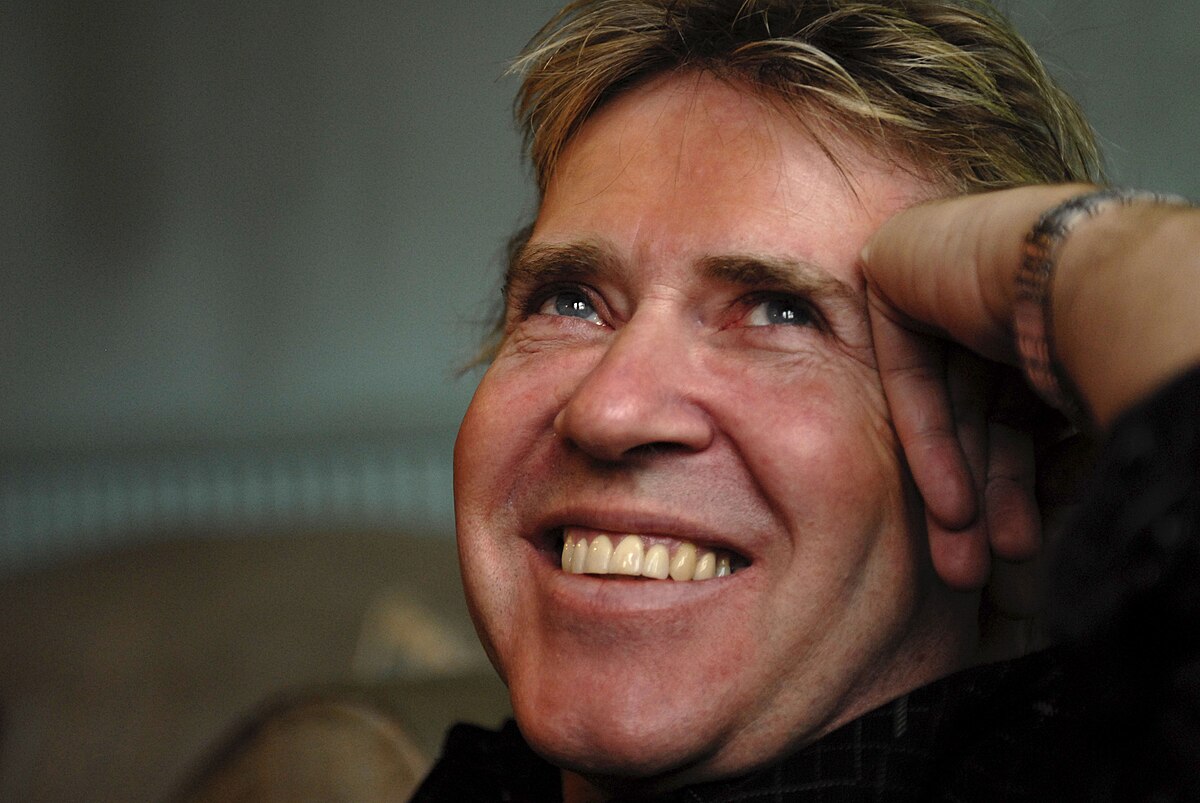
Steve Lillywhite
English record producerWikipedia
48
MENTIONS
23
EPISODES
20
PODCASTS
Search complete. 48 mentions across 23 episodes found for "Steve Lillywhite".
Sep 15, 2026

RobHOST
And this is the first album that they did without longtime producer Terry Brown, who had done every album with them from Fly By Night to Signals.
RobHOST
And they originally were going to use a producer named Steve Lillywhite.
RobHOST
And this is sort of part of Rush lore.
RobHOST
Getty even mentions this in his 2024 biography, how mad they were when Steve Lillywhite...
RobHOST
He
CraigHOST
backed out

Tom BaileyGUEST
[laughs]
Steve BlameHOST
You worked, early on you worked with Steve Lillywhite, and we've just mentioned-
Tom BaileyGUEST
Yeah
Steve BlameHOST
... uh, Thomas Dolby.
speaker_0ADVERTISER
Acast helps creators launch, grow, and monetize their podcasts everywhere.
speaker_0ADVERTISER
Acast.com.
Tom BaileyGUEST
I, I, I think Steve Lillywhite, to answer your question, said once, um, In The Name of Love was the only record he's ever made that used a drum machine.
Tom BaileyGUEST
[laughs] So it wasn't really his bag, you know.

DonHOST
Yeah, and so they were, you know, known for their improvisation across genres, rock, jazz, funk, bluegrass, psychedelia, and so forth.
DonHOST
Billy Breathes was produced by Steve Lillywhite, who we've talked about quite a bit.
DonHOST
I would not have guessed that.
DonHOST
No, no.
16 MINS LATER
DudeHOST
I was stretching.
DonHOST
Production.
DonHOST
So, again, Steve Lillywhite is the producer.
DonHOST
And it sounds like he was a force in kind of keeping them tighter or shorter songs, more direct songs.

Matt NathansonGUEST
Bono picking Ino and then Ino bringing Lanois is such a crucial part of their development.
Matt NathansonGUEST
Because... that's why Bono was so great at what he did because he understood the team and he understood that the band needed something more than Steve Lillywhite.
Matt NathansonGUEST
And so to bring in, you know, and Lanois who were just, Lanois was just beginning to be the master.
Matt NathansonGUEST
Um, it's, it's just, it's everything.

Jason BarnardHOST
mean, really productive stuff.
Jason BarnardHOST
Almost every single year there was a new album with Steve Lillywhite and Hugh Padgham.
John LeckieGUEST
Yeah.
Jason BarnardHOST
Were you doing it from about 79 to 80? What was I doing? But what were you doing in the period of Drums and Wires, for example, and Black Sea?

speaker_0HOST
This was their return to the studio after a five-year breakup.
speaker_0HOST
It was produced by Steve Lillywhite and peaked at number 13 on the Billboard Albums chart.
speaker_0HOST
It had tracks backwards down the number line and time turns elastic.
speaker_0HOST
Also, on that same day, they did sort of a twofer.

RalphHOST
Do either of you wanna take a crack at this, by the way? I bet you can do it.
Keith Lowell JensenGUEST
Uh, I'm gonna guess Steve Lillywhite is in the chain.
RalphHOST
That's not what I was thinking of, but yes, that would work.
RalphHOST
So Steve Lillywhite produced for The Pogues.
Keith Lowell JensenGUEST
Right.
RalphHOST
But he also produced for Ralph? King Crimson? No.
RalphHOST
Oh, okay.
RalphHOST
Uh- No, you tell me.
13 more episodes mention Steve Lillywhite.
Create an account to see the whole feed, search across every transcript, and follow the entities you care about.