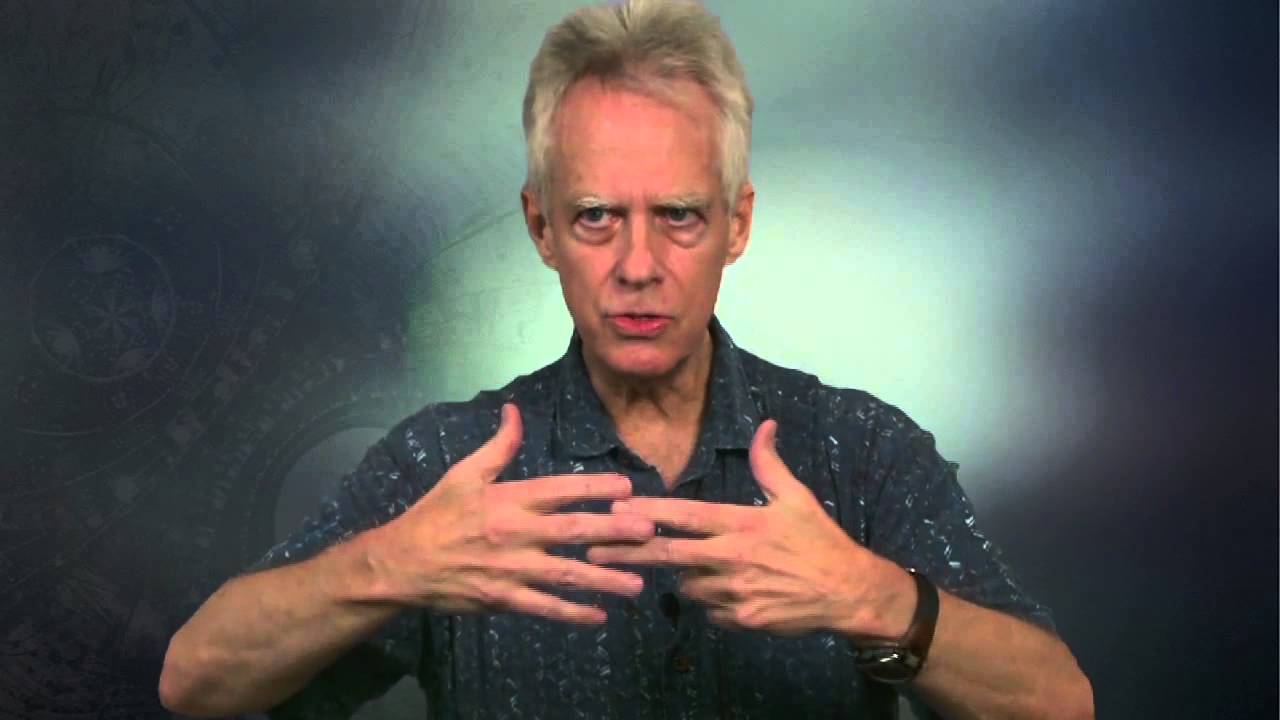
Stephen LaBerge
American researcherWikipedia
5
MENTIONS
5
EPISODES
4
PODCASTS
Search complete. 5 mentions across 5 episodes found for "Stephen LaBerge".
Oct 8, 2026

Tim FerrissHOST
So can you modify dream content? Can you, for instance, facilitate two-way communication between scientists and dreamers while they are dreaming? This is a long-standing interest of mine.
Tim FerrissHOST
I first read Exploring the World of Lucid Dreaming by someone named Stephen LaBerge the v- very, very beginning of high school and became very interested in lucid dreaming, which is, just to define terms, where you train yourself, and there is a process for this, to induce lucidity while you're dreaming.
Tim FerrissHOST
That just means you become conscious of the fact that you are dreaming, and with exercises you can get to the point where you're able to modify your own dream content.
Tim FerrissHOST
And I used to, for instance, in high school when I was competing in wrestling, I would do additional training sessions at night in my dreams.

speaker_2NARRATOR
Because the eye muscles are not paralyzed during REM, Worsley was able to signal to Hearne that he was aware he was dreaming by moving his eyes in a specific left-right pattern.
speaker_2NARRATOR
This experiment was independently replicated in nineteen eighty-one by Stephen LaBerge at Stanford University, who became the most prominent researcher in the field.
speaker_2NARRATOR
LaBerge founded the Lucidity Institute in nineteen eighty-seven to promote research into lucid dreaming and to develop techniques for inducing it.
speaker_2NARRATOR
One of the most common techniques is called reality testing, in which a person regularly asks themselves throughout the day, "Am I dreaming?" The habit eventually carries over into the dream state.

Benjamin OutramNARRATOR
Whose is it? What is the one source that the world and the eyes that look at it are both arising from together right now? I had a small taste of that once on a meditation retreat.
Benjamin OutramNARRATOR
I'd been reading Stephen LaBerge's book on lucid dreaming, the very last chapter of it.
Benjamin OutramNARRATOR
And on the way to the hall, I stopped at a mirror, fixing my hair the way you do when you're sure no one's watching.
Benjamin OutramNARRATOR
And then I noticed someone else reflected there, busy with their own business, and saw that they weren't watching me at all.

Joe McMoneagleGUEST
Now, what happens when you do this too much, too often, too many times each day, you start having what's called a false awakening.
Joe McMoneagleGUEST
I'd signal them, they wake me up, I do my reporting into the mic, I draw the picture, and while I was drawing the picture, a wolf would come in the door, walk around, climb up onto a chair, and start speaking English to Dr. Steven Lambert.
Joe McMoneagleGUEST
I know I'm still dreaming.
Joe McMoneagleGUEST
Signal them again, I wake up, report into the mic, draw the picture.
speaker_2HOST
Because the eye muscles are not paralysed during REM, Worsley was able to signal to Hearn that he was aware he was dreaming by moving his eyes in a specific left-right pattern.
speaker_2HOST
This experiment was independently replicated in 1981 by Stephen LaBerge at Stanford University, who became the most prominent researcher in the field.
speaker_2HOST
LaBerge founded the Lucidity Institute in 1987 to promote research into lucid dreaming and to develop techniques for inducing it.
speaker_2HOST
One of the most common techniques is called reality testing, in which a person regularly asks themselves throughout the day, am I dreaming? The habit eventually carries over into the dream state.