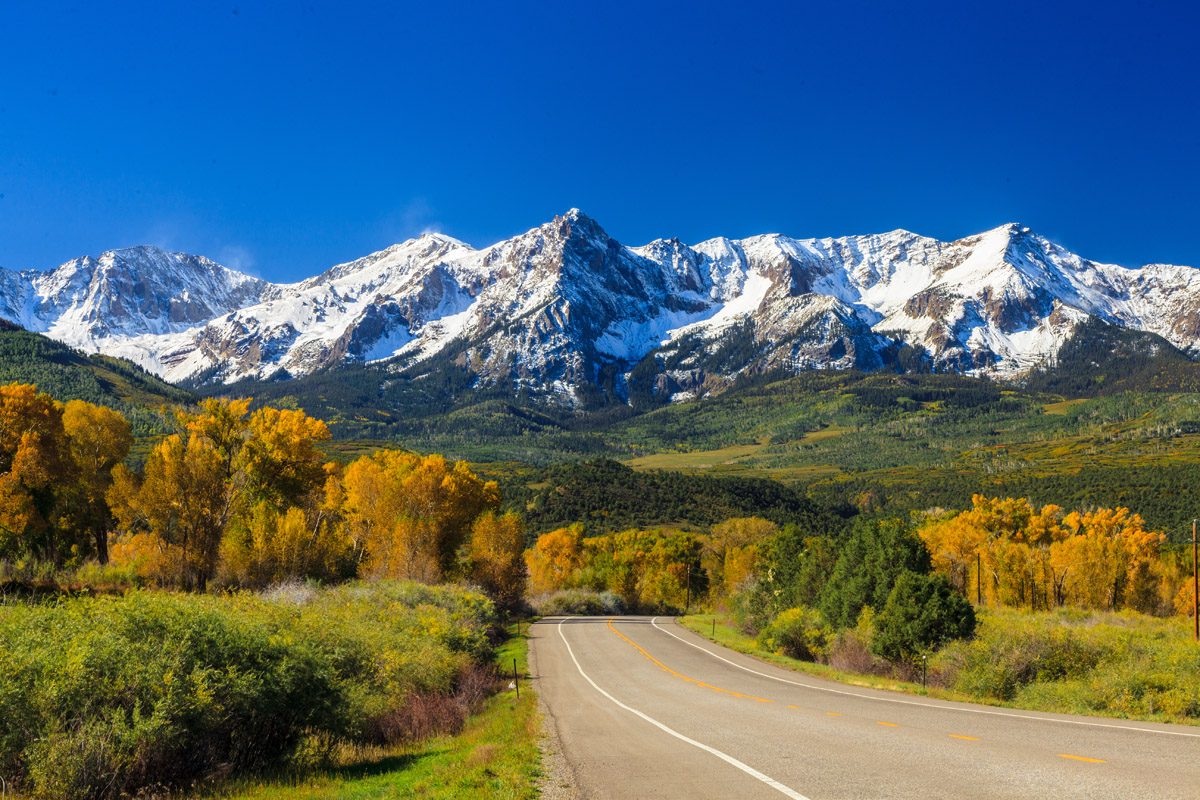
Southern Rocky Mountains
Mountain range in ColoradoWikipedia
16
MENTIONS
12
EPISODES
11
PODCASTS
Search complete. 16 mentions across 12 episodes found for "Southern Rocky Mountains".
Oct 31, 2026

Don DayCORRESPONDENT
These aren't one-off events.
Don DayCORRESPONDENT
That period of time I just mentioned from late August through late October, we have really seen the beginnings of the El Nino pattern get into parts of the Southwestern United States and Southern Rockies.
Don DayCORRESPONDENT
And it's been a remarkable amount of moisture.
Don DayCORRESPONDENT
And one good gauge of that is literally a gauge.

speaker_0NARRATOR
This is the Ready Report for Sunday, October 25th.
speaker_0NARRATOR
If you're traveling through parts of the Central and Southern Rockies or High Plains today, check your route before you leave.
speaker_0NARRATOR
The Weather Prediction Center forecasts a slight risk of excessive rainfall through Monday morning.
speaker_0NARRATOR
Roads, small streams, narrow canyons, and burn scars are especially vulnerable to localized flash flooding.

Michelle RookCORRESPONDENT
For drought areas, this will bring drought-breaking precip through intense individual storms with the potential for heavy rain, wet snow, and even some flooding.
Michelle RookCORRESPONDENT
So NOAA predicts drought areas to reduce in all but the Pacific Northwest and northern Rockies.
speaker_10SOUNDBITE_SPEAKER
We anticipate drought conditions to improve or end for western portions of Oregon and western state, Washington state, the southwest, the central and southern Rockies, the southern Great Plains, the lower Mississippi Valley, in areas in the east.
Michelle RookCORRESPONDENT
Rip will be a north south div but also temperatures set pattern across the northe move northward, the bigger
speaker_9SOUNDBITE_SPEAKER
and drier than normal conditions.
speaker_9SOUNDBITE_SPEAKER
So if you look at places like the northern Rockies, parts of the northwest, then through the northern plains and into the upper Midwest, look for a lack of snowfall, less than usual, and a near absence of extreme cold.
Michelle RookCORRESPONDENT
And El Nino is expected to peak at the tail end of 2026 or the first few weeks of 2027.
Michelle RookCORRESPONDENT
So while it's early, he warns that could cause some significant delays in spring planting in the southern U.S. I'm Michelle Rook reporting for Ag Day.
Don DayCORRESPONDENT
That's been kind of a breeding ground.
Don DayCORRESPONDENT
And sometimes, and we've seen it several times, that moisture gets pulled up and, uh, gets into parts of the United States, and we've seen that across the Southwest, the Southern Rockies, and here recently some significant rains across parts of Oklahoma and Texas.
Don DayCORRESPONDENT
So we see, at least through the end of October into maybe that first week in November, the opportunity for that to happen one or two more times.
Justin MillsHOST
Mm-hmm.
Justin MillsHOST
So what areas are gonna be the driest? What areas do you think are gonna be the wettest?
Don DayCORRESPONDENT
Well, I, I do see that the far West and southwestern United States is gonna have more opportunities to get wet.
Don DayCORRESPONDENT
I think California is gonna get into the mix of some precipitation here in the next couple of weeks, and that will then go through the desert Southwest and parts of the Central and Southern Rockies again.
Don DayCORRESPONDENT
And that will affect parts of the southeastern United States with the systems moving through.

Ryland BartonHOST
The National Oceanic and Atmospheric Administration says the US winter will likely be wetter and warmer this year, but not necessarily snowier due to El Niño.
Ryland BartonHOST
Meteorologists predict below normal snow in the Northeast, Midwest, and Northern Rockies, but more in the Southeast, West, and Southern Rockies.
Ryland BartonHOST
US stock indexes closed higher today following a shaky day of trading.
Ryland BartonHOST
The S&P five hundred rose more than a quarter of a percent.

Erica MandyHOST
The federal agency NOAA put out its latest winter forecast this week, and it says things will look a little different, in large part because of El Niño-changing weather patterns.
Erica MandyHOST
For example, forecasters say parts of the Southwest, Southeast, and Southern Rockies could get more snow than usual, while much of the northern part of the country is expected to get less.
Erica MandyHOST
And no states are expected to be cooler than average.
Erica MandyHOST
Granted, even a warmer-than-average winter can bring dangerous cold snaps and major snowstorms.

speaker_0HOST
So how much snow will fall this winter? The winter snow forecast is almost the opposite of what unfolded last year across the country, with some of the heaviest snow expected in areas that largely missed out on snowstorms last year.
speaker_0HOST
The snow season is expected to get off to an early start from the Sierra Nevada through the Great Basin and into the Central and Southern Rockies, a boon for ski resorts following a poor season last winter.
speaker_0HOST
A shift in the storm track will also bring opportunities for snow across the plains in January and February, making up for infrequent snowfall during the first part of winter.
speaker_0HOST
AccuWeather's Senior Meteorologist Chad Merrill said the primary storm track, particularly in the first part of winter, will be across the Southern US and leave many areas in the plains void of snow.
speaker_0HOST
The wet pattern could also bring much-needed precipitation after an exceptionally poor snow season last year across much of the Southwest and Rocky Mountains.
speaker_0HOST
The Bureau of Reclamation said the Colorado River Basin experienced record-low snowpack last winter, and combined water storage in Lake Powell and Lake Mead fell below levels seen since before Lake Powell began filling in nineteen sixty-three.
speaker_0HOST
Frequent storms are forecast to bring heavier snow than last winter across the interior West, including the Sierra Nevada and Central and Southern Rockies.
speaker_0HOST
By February, the Four Corners region is expected to trend cooler than average with above average precipitation, helping support additional mountain snow.

Grace BarterHOST
That should help erase persistent western drought, but it won't likely make northern snow lovers happy, the National Oceanic and Atmospheric Administration said Thursday.
Grace BarterHOST
Even though the Weather Service doesn't make seasonal snowfall predictions, their meteorologists said much of the northern parts of the country, including the Northeast, Great Lakes, Upper Midwest, and Northern Rockies, should expect below-normal snow, while the Southern Rockies, parts of the Southeast and Southwest may get more than they usually do.
Grace BarterHOST
The northern snow shrinkage is also predicted by private meteorology firms, with Salt Lake City the only big metro area where AccuWeather is forecasting above-normal winter snow amounts.
Grace BarterHOST
Chicago, Boston, New York, and Philadelphia are forecast to get about half or less of their normal winter snow, the firm said.

Paul StevensSOUNDBITE_SPEAKER
It'll likely help the western drought and push the jet stream southward, while increasing moisture across parts of the South, according to the National Oceanic and Atmospheric Administration.
Paul StevensSOUNDBITE_SPEAKER
The Southern Rockies, parts of the Southwest, and the Southeast all face higher chances for above normal precipitation and localized snow.
speaker_0UNKNOWN
[upbeat music] A Supertalk Mississippi media production

Ed DonahueHOST
Because of El Nino, there could be more moisture and higher temperatures.
Ed DonahueHOST
The prediction is below normal snow in the Northeast, Great Lakes, Upper Midwest and Northern Rockies, but more snow in the Southeast, Southern Rockies and Southwest.
Ed DonahueHOST
But one forecaster says it can only take one storm to flip the script, especially along the East Coast.
Ed DonahueHOST
This forecast could also help erase a drought in the West.
2 more episodes mention Southern Rocky Mountains.
Create an account to see the whole feed, search across every transcript, and follow the entities you care about.