Search complete. 5 mentions across 4 episodes found for "Smog".

Oct 15, 2026

speaker_20UNKNOWN
40:23
[laughs]
speaker_21UNKNOWN
40:24
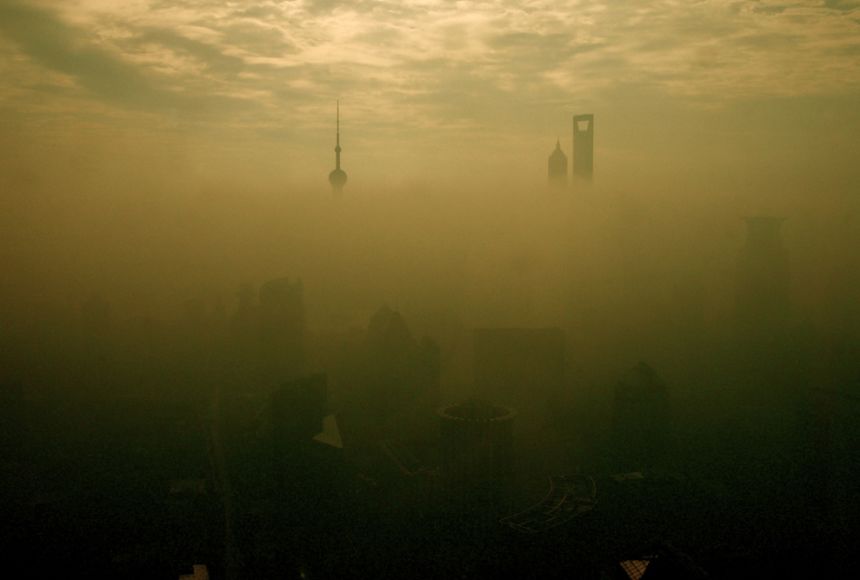
And here's a domestic one: Morning in the Smog.
speaker_20UNKNOWN
40:27
[laughs]
Jack BennyHOST
40:32
Are they bottling it now?
Matt LoszakGUEST
14:18
And I lived through the coal to nuclear transition, meaning we used to have a lot of coal plants in Hamilton.
Matt LoszakGUEST
14:24
Smog would blow over the city.
Matt LoszakGUEST
14:26
And we had 62 smog days per year.
Matt LoszakGUEST
14:30
And I had asthma.
Vicky OddiHOST
32:05
Wow.
Vicky OddiHOST
32:06
Smog was that bad.
Vicky OddiHOST
32:09
But the second time I was there was in 2008 for the Olympic Games.
Vicky OddiHOST
32:15
And it was completely different.

Unknown podcast

From Levellers to Smog: Tracing the Life of English Words

Oct 1 · 2 Mentions

Josh LinskHOST
6:19
By the early 1900s, citizens were demanding cleaner air, and the word smog had already become symbolic of industrial excess.
Josh LinskHOST
6:28
That kind of linguistic shift shows how language can amplify public pressure.
Josh LinskHOST
6:34
Smog became a rallying point for environmental reform.
Josh LinskHOST
6:37
When you look at the Oxford English Dictionary, the first recorded use of smog appears in the late 1860s.
Josh LinskHOST
6:45
But it wasn't until the 1930s that dictionaries began to treat it as a standard noun.
Josh LinskHOST
7:38
The term helped shape early air quality legislation.
Josh LinskHOST
7:43
Lawmakers used smog to quantify the problem and justify regulations.
Josh LinskHOST
7:50
Smog was a concrete target for smog alarms in London that eventually led to the Clean Air Act of 1956.

We value your privacy

We use cookies to understand how you use our platform and to improve your experience. Click “Accept All” to consent, or “Decline non-essential” to opt out of non-essential cookies. Read our Privacy Policy.