SMN2
3
MENTIONS
3
EPISODES
3
PODCASTS
Search complete. 3 mentions across 3 episodes found for "SMN2".
Sep 23, 2026

Madeline SpencerHOST
The FDA announced the approval of Assembild to treat patients two years and older with spinal muscular atrophy who are currently receiving SMN2-targeted therapy.
Madeline SpencerHOST
Jim, what should we know about this new treatment option for patients with SMA?
James RadkeHOST
SMA is a genetic condition in which patients lose the spinal muscle function due to a mutation in the SMN1 gene.
James RadkeHOST
There are now three therapies for this condition.
James RadkeHOST
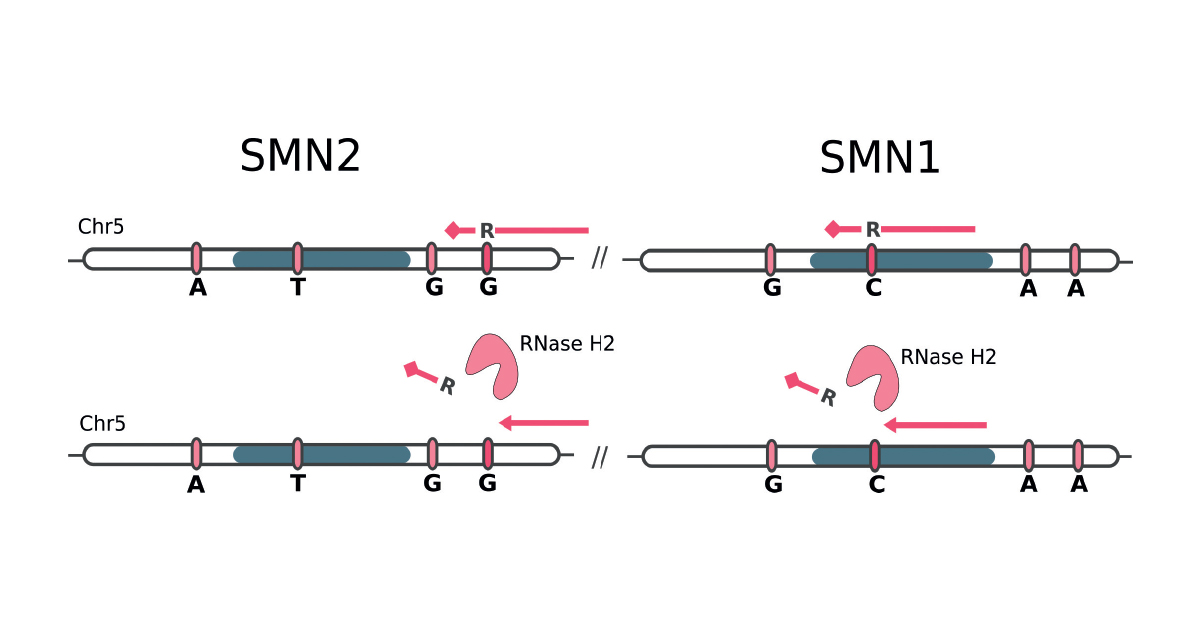
One is a gene therapy that replaces that SMN1 gene, and the other two, significantly cheaper therapies, increase the activity of a backup gene known as SMN2 to increase the missing protein.

speaker_0HOST
It's the first ever therapy designed to directly target the muscle loss that comes with SMA, rather than the underlying genetic defect itself.
speaker_0HOST
It's meant to be used alongside the SMN2-targeting drugs that are already standard of care in patients two years and older.
speaker_0HOST
In the pivotal trial, patients on Isenbeld plus their existing SMA therapy saw real improvement in motor skills over a year, while a comparison group on placebo actually got worse, and that difference was statistically meaningful.
speaker_0HOST
There is one caveat worth mentioning.

Alex MercerHOST
We appreciate you listening.
Maya PatelHOST
On the regulatory and clinical side, the FDA approved Scholar Rock's ISMBYL'd apidogromab on Friday for adults and children age 2 and older already receiving an SMN2-targeted therapy.
Maya PatelHOST
The agency calls it the first spinal muscular atrophy treatment that directly targets muscle loss.
Alex MercerHOST
That gives Scholar Rock a way into care without replacing the therapy patients already take.