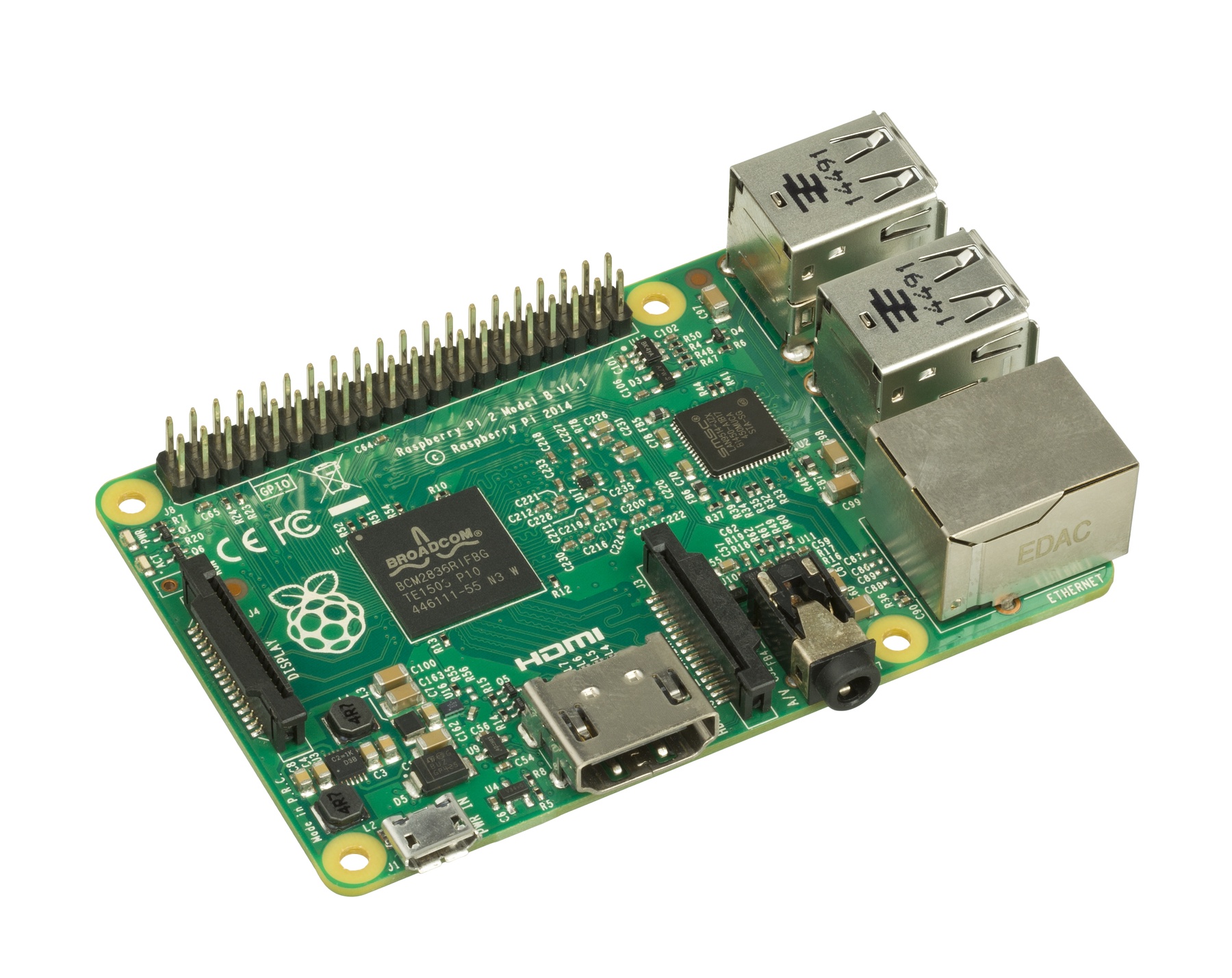
Single-board computer
ComputerWikipedia
12
MENTIONS
4
EPISODES
4
PODCASTS
Search complete. 12 mentions across 4 episodes found for "Single-board computer".
Oct 8, 2026

LeRon DawkinsHOST
Uh, of course, Android and custom ARM handhelds running on Steam OS like distros.
LeRon DawkinsHOST
Uh, this is including your, y- your, your, your AYANODNs, your AYAN2s, uh, the AYANEO Pocket series, Retroid Pocket series, all, all that stuff, right? Um, and, uh, and then of course, ARM single board computers, SBCs as they're called, and desktop Linux.
LeRon DawkinsHOST
So, there you go, just in case people were wondering, so... 'Cause we already know, like s- like, you know, Steam OS is available for PC as well as some of the, uh, almost all the handheld, the PC handhelds now.
Corey DirrigHOST
It's interesting that, um, I kinda felt like ARM was kinda going away for a while, and then-

Chris GammellHOST
Yeah.
Eric PanGUEST
You, you have to have some SBC to do the job.
Chris GammellHOST
Yeah.
Chris GammellHOST
I haven't really tried it much.
Eric PanGUEST
They find something different and exciting, they just build into Xiao.
Eric PanGUEST
And we also, we have our pres- preferences on the NPU.
Eric PanGUEST
So if this, either it's a SBC or it's a microcontroller with AI capabilities, we like adopt that.
Eric PanGUEST
So like for this, a few years ago, we started with HiMax.

Vin StoneHOST
... dialing it down, man.
Vin StoneHOST
Like, what are you even doing with a 2 gig SBC? You know, we just got done talking, it's like, ugh, you're struggling to do anything fun with a 6 gig.
Vin StoneHOST
This Dragon at 6 gigs, I was like, "Er, might've been able to get away with 8." But, like, a 2 gig single board computer or a 2 gig mini PC is not really practical in 2026 for anybody-
Jill BryantHOST
Yeah, yeah
Vin StoneHOST
... embedded stuff, you'd never-
Jill BryantHOST
Mm-hmm
Vin StoneHOST
... you, you get some wiggle room, but, like, there are better options than- You know, a full-blown, uh, SBC.
Vin StoneHOST
Uh, yeah, dude.