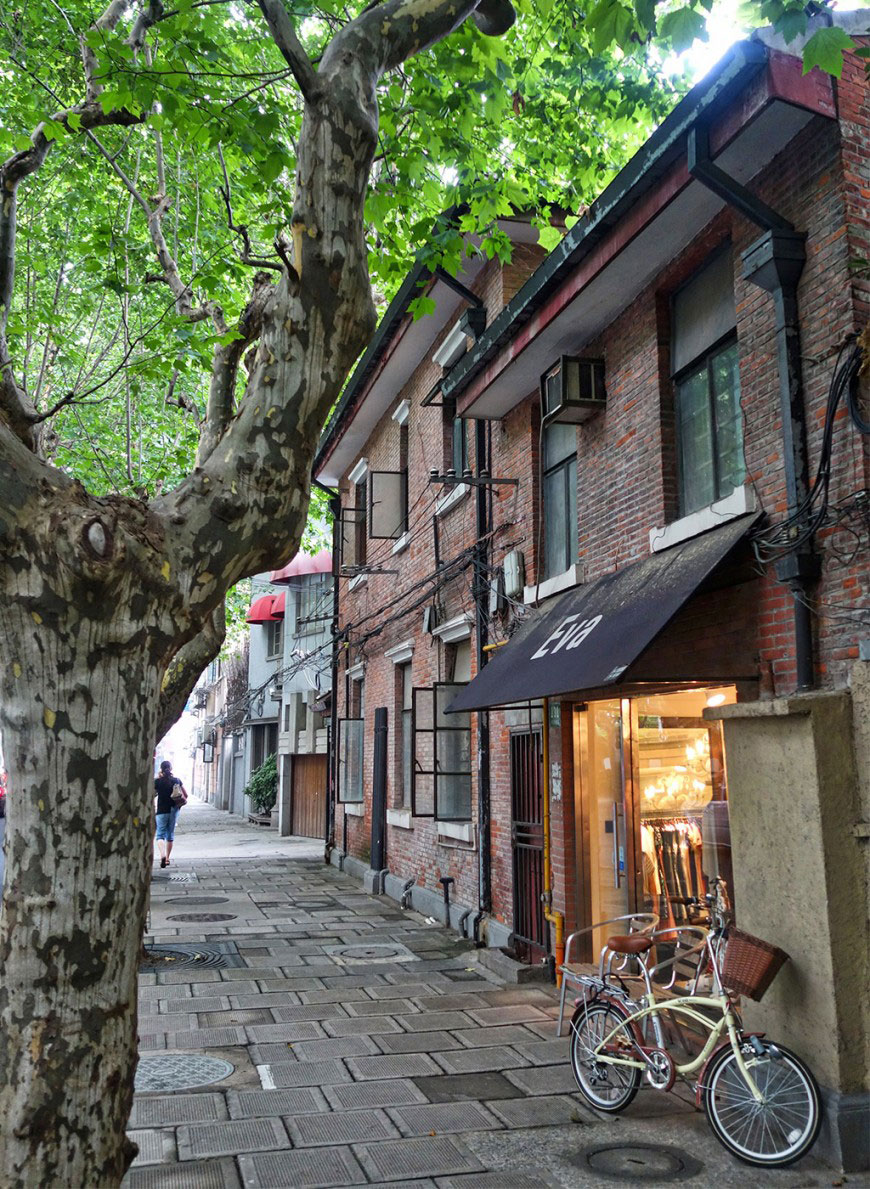
French concession of Shanghai
35
MENTIONS
5
EPISODES
5
PODCASTS
Search complete. 35 mentions across 5 episodes found for "French concession of Shanghai".
Oct 16, 2026

Eddy WebbGUEST
Let, let's just get, let's get a hold of it then"
Matthew DawkinsHOST
You take a taxi to The Strange Detractor, a tea house in the French Concession not far from the old city.
Matthew DawkinsHOST
And as mentioned previously, the, uh, French gendarmerie are thick in this place.
Matthew DawkinsHOST
It's a, an enclave that was purchased, or purchased, taken over by the French, uh, carved out of Shanghai some decades ago, and, uh, they still maintain quite a space there.
Matthew DawkinsHOST
There are Chinese people who live here as well But there's an entire French detachment.
Matthew DawkinsHOST
Uh, most of the French police here are mixed with Chinese.
Matthew DawkinsHOST
Uh, you might call them Indo-Chinese.
Matthew DawkinsHOST
The Strange Detractor is a small place, very out of the way.

Nicholas GordonHOST
In this podcast, we interview fiction and nonfiction authors working in, around, and about the Asia-Pacific region.
Nicholas GordonHOST
The Bund's grand facades and the leafy streets of the former French concession are usually read as monuments to Western enterprise in China.
Nicholas GordonHOST
But those buildings were razed by Chinese labor, and the concessions that defined old Shanghai could not have run without the Chinese who served, traded, and lived inside them.
Nicholas GordonHOST
In Shanghai, the story of China's most dynamic city, Michael Dillon sets out to tell the city's story from the Chinese side.
Michael DillonGUEST
But that did mean that it was in a good position to have some... local or regional commerce.
Michael DillonGUEST
And that started many centuries ago on a very small scale, but nothing very much happened really to make Shanghai seem different and significant until the 1840s, 1850s, when Europeans and eventually Americans turned up.
Nicholas GordonHOST
The most famous parts of this history are the concessions, particularly the French concession, which obviously still can be visited in Shanghai today.
Nicholas GordonHOST
But how did these concessions get started, and what were the powers they maintained over Shanghai?

Nicholas GordonHOST
In this podcast, we interview fiction and nonfiction authors working in, around, and about the Asia-Pacific region.
Nicholas GordonHOST
The Bund's grand facades and the leafy streets of the former French concession are usually read as monuments to Western enterprise in China, but those buildings were raised by Chinese labor, and the concessions that defined old Shanghai could not have run without the Chinese who served, traded, and lived inside them.
Nicholas GordonHOST
In Shanghai, the story of China's most dynamic city, Michael Dillon sets out to tell the city's story from the Chinese side.
Nicholas GordonHOST
Michael's new book follows the city from a small fishing town on the Huangpu River, a tributary of the Yangtze, through the Opium War and the treaty ports, the foreign concessions, the Japanese occupation, and the communist takeover, to its place today as the most representative city of China's forward-looking, economy-driven modernization.
Michael DillonGUEST
But that did mean that it, uh, it was in a good position to have some, um, local regional commerce and, and, and that, the, that start, that started, uh, well, many s- many centuries ago on a very small scale.
Michael DillonGUEST
But nothing very much happened, uh, really, uh, to make Shanghai seem different and significant until the 1840s, 1850s when Europeans and eventually Americans turned up.
Nicholas GordonHOST
The, I mean, the mo- the most famous parts of, of this history are, are the concessions, particularly the French concession, which is obviously still can be visited in, in Shanghai today.
Nicholas GordonHOST
But how did these concessions get started, and what, what in effect, like, what were the powers they maintained over Shanghai?