SF-36
9
MENTIONS
8
EPISODES
8
PODCASTS
Search complete. 9 mentions across 8 episodes found for "SF-36".
Oct 29, 2026

Monique AndrewsGUEST
I think also you have outcome assessment tools in the screens, which are essentially are free.
Monique AndrewsGUEST
You know, use an SF-36 along with a resilience score, maybe a PROMIS-29.
Monique AndrewsGUEST
There are many ways that we can evaluate objectively pre and post, and that can come through using a tool.
Monique AndrewsGUEST
That, you know, measures that technologically.

Ashish PershadHOST
And the summary score incorporates the first three domains, but does not incorporate satisfaction of the patient for the treatment received.
Ashish PershadHOST
There were secondary endpoints, which include 7-day Holter-derived atrial fibrillation burden, arrhythmia recurrence, and some general health instruments like the SF-36, and biomarkers like the N-terminal pro-BNP concentrations.
Ashish PershadHOST
The target enrollment was set at 260 subjects to afford an 80% power for detecting an eight point score difference between the summary scores using the Wilcox and Mann-Whitney uTest paired with multiple imputation for missing data sets.
Ashish PershadHOST
Now for the results.

Amanda MixonGUEST
You know, I think it's important to remember that, again, what the patient perceives is just as important as what we see.
Amanda MixonGUEST
So, you know, specifically looking at Select Beyond, Both the 15 mg and 30 mg group of the opatacidinib improved HAC-DI pain, patient global, the SF-36, physical health, and morning stiffness.
Amanda MixonGUEST
And the 15 mg dose improved 7 out of 8 of the domains of the SF-36, and at the 30 mg arm, improved 6 out of 8.
Amanda MixonGUEST
So, you know, at week 12, upatacitinib doses produced significantly greater improvements versus placebo across multiple domains.
Amanda MixonGUEST
And the other piece to this that I thought was interesting was it happened quickly.

Claudia Rivera SalasGUEST
At week 24, 44% of patients in the combination group achieved ACR50 compared to 22% in the monotherapy group, and ACR20 was also significantly higher at 66% versus 44%.
Claudia Rivera SalasGUEST
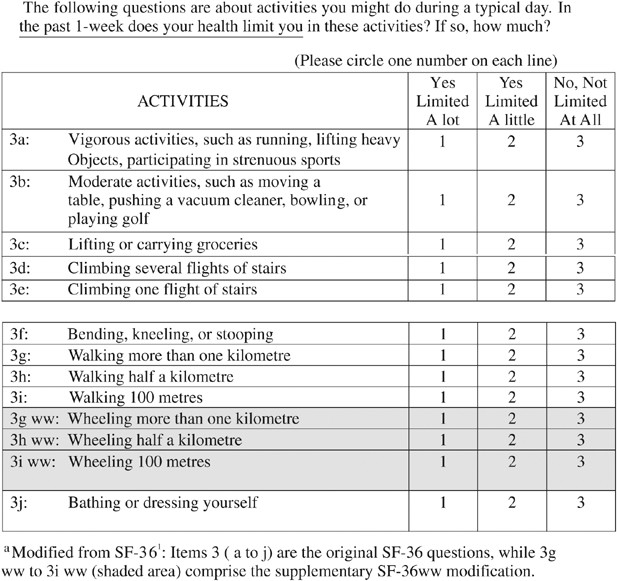
Additionally, the physical function on the SF-36 physical component questionnaire, which is basically questions about how a patient's health will limit their physical activity, these also improved significantly more on those that were on the combination therapy.
Claudia Rivera SalasGUEST
There was also a great success seen in one of the biomarker groups.
Claudia Rivera SalasGUEST
So when you look at the systemic inflammation, the patients with a baseline CRP of 0.3 or higher saw that the combo therapy absolutely crushed the single drug group.

Cal ThompsonGUEST
... and, and use that.
Cal ThompsonGUEST
There's some really fascinating, I mean- I, I'm, like, such a nerd about these sorts of things, but I'm really obsessed with this scale called the SF-36, and it has all these sections of, like, human wellbeing.
EgleHOST
Mm-hmm.
Cal ThompsonGUEST
And people answer a survey.

Philip K. LouieGUEST
Um, and then interestingly, you know, it's, it's important to highlight what factors did not, uh, predict regret, that being age, sex, race, BMI, comorbidity burden, or any sort of, um, socioeconomic vulnerability or economic status.
Philip K. LouieGUEST
Uh, we used, uh, we measured disability with the ODI and with SF-36 as well and, uh, tried to compare those, and there was no major association with those.
Philip K. LouieGUEST
So, I mean, it's interesting because, you know, there's still a fair number of patients who are, uh, describing fairly moderate to high regret after these smaller procedures.
Philip K. LouieGUEST
And it, it begs the question, you know, what can we do better from an educational standpoint preoperatively in terms of setting expectations or tempering down expectations, uh, preoperatively? And then sort of what can we do after surgery to help sort of decrease the gap or this mismatch between their expectations and their outcome? Because one in six patients who regret their surgery is a little bit higher than, um, what we would hope for.

David PollyGUEST
I w- I'd been chair of the instrumentation committee before that and then, um, followed Mark in, in the outcomes piece, and the recognition...
David PollyGUEST
A- a- and I had, I had envy because Todd Albert was able to do SF-36, and I couldn't do SF-36, and it was like, uh, okay.
David PollyGUEST
And so I was thinking about how, what can I do to get patient-reported outcomes? And I read something.
David PollyGUEST
I was sitting at my desk in, in my office, and it was a pain paper.

Ragen ChastainHOST
So the trial's primary endpoint might be around weight loss, but then the researchers would look at a bunch of different measurements as secondary endpoints.
Ragen ChastainHOST
For example, some of the secondary endpoints in the Step 1 trial for semaglutide two point four milligrams, brand name Wegovy, included systolic blood pressure, SF-36 physical functioning score, IW QoL-Lite CT physical function score, glycated hemoglobin, fasting plasma glucose, diastolic blood pressure, lipid level, ratio of week sixty-eight value to baseline total cholesterol, HDL cholesterol, LDL cholesterol, VLDL cholesterol, free fatty acids, triglycerides, and C-reactive protein.
Ragen ChastainHOST
If you read the small print under the list of endpoints, they explain, and I'm quoting here, "Supportive secondary and exploratory endpoint analyses were not adjusted for multiplicity, and P values are therefore not reported for these endpoints." Let's talk about this.
Ragen ChastainHOST
As we've discussed before, statistical significance, measured by P value, does not measure the importance or size of an outcome.