sarcopenia
ConditionWikipedia
31
MENTIONS
24
EPISODES
23
PODCASTS
Search complete. 31 mentions across 24 episodes found for "sarcopenia".
Nov 5, 2026

Adam SchaferHOST
I used to think that the person who carried 300 pounds around, they got to be pretty strong too, right? But it's like, it's not-
Sal Di StefanoHOST
Sarcopenia is even higher in that population, you know, muscle loss.
Sal Di StefanoHOST
And so if your bones aren't strong, you're getting a readout from your doctor and they're like, oh, you're borderline.
Sal Di StefanoHOST
And you, let's say, need to lose 50 pounds.

Maddy DychtwaldGUEST
And let's begin with building muscle.
Maddy DychtwaldGUEST
Sarcopenia, which is the loss of muscle mass, that can begin to happen as early as in your late 30s.
Maddy DychtwaldGUEST
think about that that's crazy so strength training is essential and it doesn't have to be something crazy i mean you can just lift free weights in your home i mean go onto YouTube.
Maddy DychtwaldGUEST
There's a million videos that show you how you can help build muscle mass.

Courtney ConleyGUEST
It's my thing, you know, is to get people to pay attention to what's happening below the knee.
Courtney ConleyGUEST
Sarcopenia is a thing.
Courtney ConleyGUEST
We all know that, right? As we age, we start to lose muscle mass.
Courtney ConleyGUEST
And I really wanted to bring to people's attention, that that also occurs below the knee.

Brad KearnsHOST
Another term that we don't hear about enough is dynopenia, and that is the age-related loss of muscle power and explosiveness.
Brad KearnsHOST
Sarcopenia is a bad deal.
Brad KearnsHOST
Dynopenia is different, but it's arguably even worse and more dangerous toward your longevity potential and toward your falling risk.
Brad KearnsHOST
It outpaces sarcopenia because you lose functional strength and power faster than you lose muscle tissue itself.

OliviaGUEST
somebody grabs my attention by talking about protein and and about like growing old and sarcopenia and like muscle loss.
OliviaGUEST
And I'm like, caught me on the wrong day, girl, because I was like, not me.
OliviaGUEST
Sarcopenia is not going to get me in my old days.
OliviaGUEST
Oh, my God.
OliviaGUEST
So I go down the rabbit hole and I'm like, wait, I think I got too thin.

Wade FosterHOST
It's about longevity and being physically capable as you age.
Wade FosterHOST
If you want to have a high level of life quality at 65, where you can be travel, lift a suitcase, do yard work, ski, hike, play tennis, enjoy vacations, that is what we have muscle mass and strength for the goal is to necessarily look like a bodybuilder like that's not what we're talking about when we say muscle it's to build a strong athletic capable body that supports your lifestyle now let's look into why we do lose muscle mass as we age so This is called sarcopenia.
Wade FosterHOST
Sarcopenia is a progressive skeletal muscle disorder involving declining muscle strength, muscle quantity, and quality.
Wade FosterHOST
It's also associated with increased risks of falls, frailty, disability, and loss of independence.
Wade FosterHOST
Importantly though, sarcopenia isn't simply having smaller muscles.

Ginger HultinHOST
Can you define it?
Katie DoddGUEST
Sarcopenia is a decline in skeletal muscle tissue with age.
Katie DoddGUEST
So this is the most common or major cause of functional decline and loss of independence in older adults.
Katie DoddGUEST
8% loss of muscle per decade between age 40 and 70.

Patrick Ward-OngleyGUEST
That's just to name a few sort of aging-related processes that feed in.
Patrick Ward-OngleyGUEST
Next, there's sarcopenia, which is a prominent driver of the physical component of frailty.
Patrick Ward-OngleyGUEST
Sarcopenia is a muscle disease or conceptually a form of muscle failure, and it's characterized by low muscle strength with low muscle quantity or quality used to confirm the diagnosis.
Patrick Ward-OngleyGUEST
And the reason sarcopenia is so relevant in frailty is that around half to three quarters of people with frailty may also have sarcopenia.
Patrick Ward-OngleyGUEST
So there is significant overlap there.
Patrick Ward-OngleyGUEST
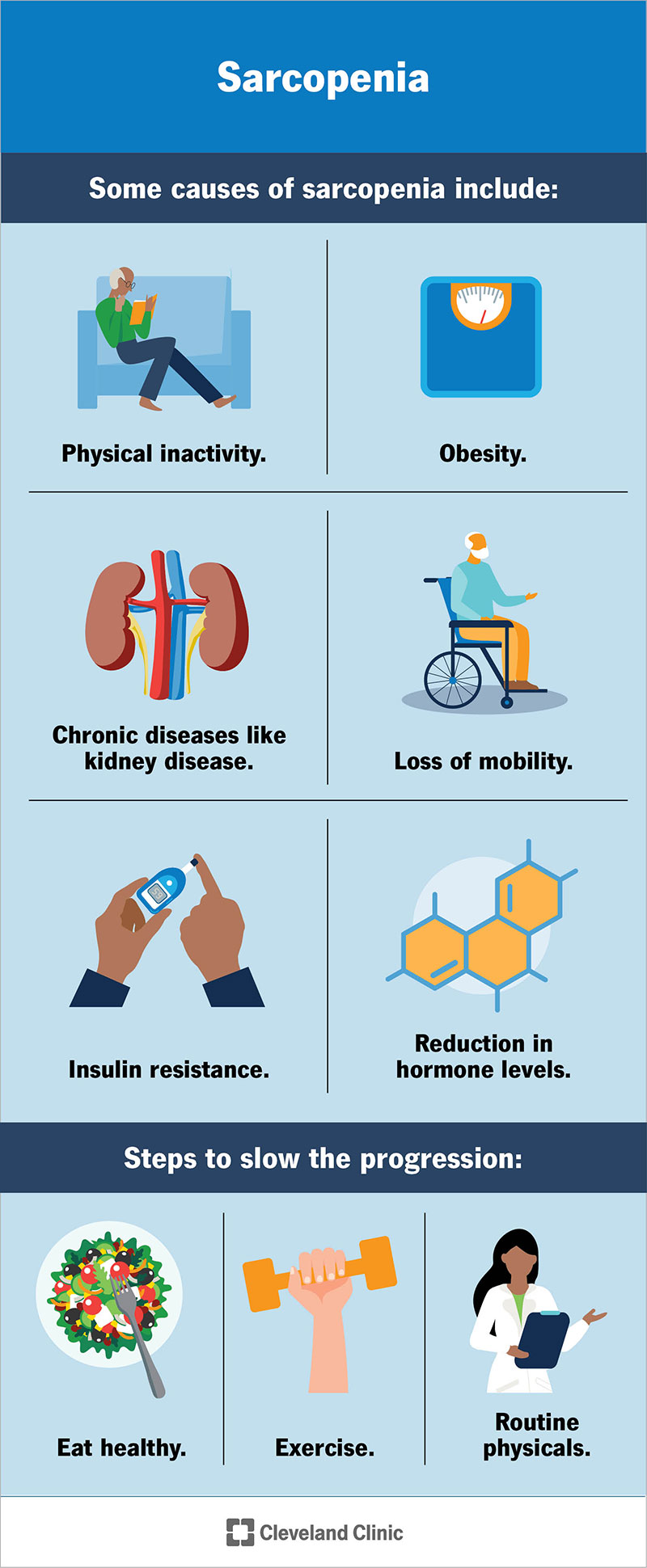
Sarcopenia is closely linked with undernutrition and low physical activity.
Patrick Ward-OngleyGUEST
Undernutrition can contribute to the loss of muscle mass and function, while inactivity reduces the anabolic stimulus to muscle and can accelerate the decline.
Patrick Ward-OngleyGUEST
Other important factors include systemic inflammation, acute and chronic disease, polypharmacy, which is commonly defined as the concurrent use of five or more medicines, and psychosocial factors are really important, so things like social isolation and depression.

Prashant SoniGUEST
Very true.
Prashant SoniGUEST
Sarcopenia is like one of the new bylines that people are talking about with this loss of muscle mass.
Prashant SoniGUEST
And they need to be watched for these kinds of things.
Prashant SoniGUEST
But when they do, they're very successful.

Paul ReynoldsHOST
Creatine added about 1.37 kilograms more lean tissue than training alone, roughly three pounds, along with greater gains in chest press and leg press strength.
Paul ReynoldsHOST
Sarcopenia, which is the progressive loss of muscle mass and strength with age, is one of the strongest predictors of falls, fractures, and loss of independence.
Paul ReynoldsHOST
In our episode on bones and muscles, we talked about how glycation stiffens the collagen in muscle and bone.
Paul ReynoldsHOST
Anything that helps an older adult build and hold muscle is definitely worth serious attention.
14 more episodes mention sarcopenia.
Create an account to see the whole feed, search across every transcript, and follow the entities you care about.