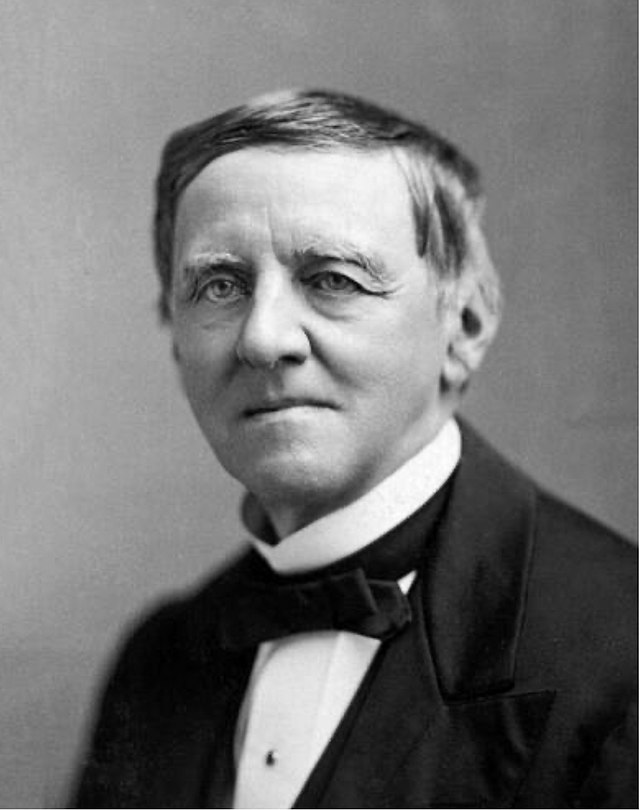
Samuel J. Tilden
Lawyer and former Governor of New YorkWikipedia
22
MENTIONS
14
EPISODES
14
PODCASTS
Search complete. 22 mentions across 14 episodes found for "Samuel J. Tilden".
Nov 13, 2026

Dan HolzmanHOST
I realize that.
Dan HolzmanHOST
Rutherford B. Hayes wins in 1876 over Samuel Tilden.
Dan HolzmanHOST
And John Quincy Adams won really one of the nastiest campaigns ever in 1824 against Andrew Jackson.
Tim BlessingGUEST
The vote was split four ways, though.

Robyn Roxanne KincaidHOST
The first...
Robyn Roxanne KincaidHOST
the first African-American senator from Mississippi since, well, Rutherford B. Hayes and Samuel Tilden had their race decided in the House of Representatives.
Robyn Roxanne KincaidHOST
And the price of Rutherford B. Hayes' presidency was that he withdrew all federal troops and ended Reconstruction in the post-Civil War South so that the Southerners could get back to the business of you know, oppressing black people and opening the door to Jim Crow and Knight Riders and the horrors after dark and strange fruit and Mississippi goddamn.
Robyn Roxanne KincaidHOST
But like I said, oh wait, From Cynthia, yay! And you know why.

GueroNARRATOR
Chapter 17.
GueroNARRATOR
The Hayes-Tilden Contest.
GueroNARRATOR
The Electoral Commission.
GueroNARRATOR
Although the action of the returning boards in South Carolina, Louisiana, and Florida gave Mr. Hayes a majority of one vote in the Electoral College, the Democrats, who were largely in the majority in the National House of Representatives, were evidently not willing to acquiesce in the declared result, claiming that Mr. Tilden had been fairly elected and that he ought to be inaugurated.

Bill O'ReillyHOST
John Quincy Adams won the House vote to take the White House, prompting Jackson supporters to denounce the result, a corrupt bargain.
Bill O'ReillyHOST
In 1876, Rutherford B. Hayes beat Samuel Tilden by a single electoral vote, 185 to 184.
Bill O'ReillyHOST
1880, James Garfield defeated his opponent, Winfield Hancock, by 9,000 ballots out of 10 million.
Bill O'ReillyHOST
That's a margin of 0.1%.

Dave BowmanGUEST
How do you win the presidency of the United States? You win in the Electoral College.
Dave BowmanGUEST
So when everything is done, Democrat by the name of Samuel Tilden wins the majority of the popular vote, 50.9%.
Dave BowmanGUEST
So remember that next time somebody tells you your vote doesn't count.
Dave BowmanGUEST
But you've never heard of President Tilden, have you? Nope.

Bill MickHOST
at bill mick.com let's get back into dave does history so did we have a winner dave by
Dave BowmanGUEST
the time all the votes are counted keep in mind this is 1876 how do you win the presidency of the united states you win in the electoral college so when everything is done democrat by the name of samuel tilden wins the majority of the popular vote, 50.9%.
Dave BowmanGUEST
So remember that next time somebody tells you your vote doesn't count.
Dave BowmanGUEST
But you've never heard of President Tilden, have you? Nope.

Doug MelvilleHOST
So the showdown happened.
Doug MelvilleHOST
Rutherford B. Hayes and Samuel Tilden.
Doug MelvilleHOST
Hayes agreed to withdraw if federal troops were removed from the South.
Doug MelvilleHOST
And it would be 86 years.

Ben WilfordNARRATOR
They demanded the enforcement in letter and spirit of the 14th as well as other amendments.
Ben WilfordNARRATOR
though victorious in their election the republicans refrained from reopening the ancient contest they made no attempt to reduce southern representation in the house southern leaders while protesting against the declarations of their opponents were able to view them as idle threats in no way endangering the security of the measures by which political reconstruction had been undone the solid south out of the thirty-year conflict against carpet-bag rule there emerged what was long known as the solid south a south that except occasionally in the border states never gave an electoral vote to a republican candidate for president before the civil war the southern people had been divided on political questions take for example the election of eighteen sixty in all the fifteen slave states the variety of opinions was marked in nine of them delaware virginia tennessee missouri maryland louisiana kentucky georgia and arkansas the combined vote against the representative of the extreme southern point of view breckinridge constituted a safe majority in each of the six states which were carried by breckinridge there was a large and powerful minority in north carolina breckinridge's majority over bell and douglas was only eight hundred and forty nine votes equally astonishing to those who imagine the south united in defense of extreme views in eighteen sixty was the vote for bell the unionist candidate who stood firmly for the constitution and silenced on slavery in every southern state bell's vote was large in virginia kentucky missouri and tennessee it was greater than that received by breckinridge in georgia it was forty two thousand against fifty one thousand in louisiana twenty thousand against twenty two thousand in mississippi twenty five thousand against forty thousand the effect of the civil war upon these divisions was immediate and decisive save in the border states where thousands of men continued to adhere to the cause of the union in the confederacy itself nearly all dissent was silenced by war men who had been bitter opponents joined hands in defense of their homes when the armed conflict was over they remained side by side working against republican misrule and negro domination by eighteen ninety after northern supremacy was definitely broken they boasted that there were at least twelve southern states in which no republican candidate for president could win a single electoral vote dissent in the solid south though every one grew accustomed to speak of the south as solid it did not escape close observers that in a number of southern states there appeared from time to time a fairly large body of dissenters in eighteen ninety two the populace made heavy inroads upon the democratic ranks on other occasions the contests between factions within the democratic party over the nomination of candidates revealed sharp differences of opinion in some places moreover there grew up a republican minority of respectable size for example in georgia mr taft in nineteen o eight polled forty one thousand votes against seventy two thousand for mr bryan In North Carolina, 114,000 against 136,000.
Ben WilfordNARRATOR
In Tennessee, 118,000 against 135,000.
Ben WilfordNARRATOR
In Kentucky, 235,000 against 244,000. in nineteen twenty senator harding the republican candidate broke the record by carrying tennessee as well as kentucky oklahoma and maryland the economic advance of the south the break-up of the great estates in the dissolution of chattel slavery it was inevitable that the great estate should give way before the small farm the plantation was in fact founded on slavery it was continued and expanded by slavery before the war the prosperous planter either by inclination or necessity invested his surplus in more land to add to his original domain as his slaves increased in number he was forced to increase his acreage or sell them and he usually preferred the former especially in the far south still another element favored the large estate slave labor quickly exhausted the soil and of its own force compelled the cutting of the forest and the extension of the area under cultivation finally the planter took a natural pride in his great estate it was a sign of his prowess and his social prestige in eighteen sixty five the foundations of the planting system were gone it was difficult to get efficient labor to till the vast plantations the planters themselves were burdened with debts and handicapped by lack of capital negroes commonly preferred tilling plots of their own rented or bought under mortgage to the more irksome wage labor under white supervision the land hunger of the white farmer once checked by the planting system reasserted itself before these forces the plantation broke up the small farm became the unit of cultivation in the south as in the north between eighteen seventy and nineteen hundred the number of farms doubled in every state south of the line of the potomac and ohio rivers except in arkansas and louisiana from year to year the process of breaking up continued with all that it implied in the creation of land-owning farmers the diversification of crops no less significant was the concurrent diversification of crops under slavery tobacco rice and sugar were staples and cotton was keen these were standard crops the methods of cultivation were simple and easily learned they tested neither the skill nor the ingenuity of the slaves as the returns were quick they did not call for long-time investments of capital after slavery was abolished they still remained the staples but far-sighted agriculturists saw the dangers of depending upon a few crops the mild climate all the way around the coast from virginia to texas and the character of the alluvial soil invited the exercise of more imagination peaches oranges peanuts and other fruits and vegetables were found to grow luxuriously refrigeration for steam ships and freight cars put the markets of great cities at the doors of southern fruit and vegetable gardens the south which in planting days had relied so heavily upon the northwest for its foodstuffs began to battle for independence between eighteen eighty and the close of the century the value of its farm crops increased from six hundred and sixty million dollars to one billion two hundred and seventy million dollars the industrial and commercial revolution on top of the radical changes in agriculture came an industrial and commercial revolution the south had long been rich in natural resources but the slave system had been unfavorable to their development rivers that would have turned millions of spindles tumbled unheeded to the seas coal and iron beds lay unopened timber was largely sacrificed in clearing lands for planting or fell to earth in decay southern enterprise was consumed in planting slavery kept out the white immigrants who might have supplied the skilled labor for industry after eighteen sixty five achievement and fortune no longer lay on the land alone as soon as the paralysis of the war was over the south caught the industrial spirit that had conquered feudal europe and the agricultural north in the development of mineral wealth enormous trials were taken iron ore of every quality was found the chief best being in virginia west virginia tennessee kentucky north carolina georgia alabama arkansas and texas five important coal bases were uncovered in virginia north carolina the appalachian chain from maryland to northern alabama kentucky arkansas and texas oil pools were found in kentucky tennessee and texas within two decades eighteen eighty to nineteen hundred the output of mineral wealth multiplied tenfold from ten millions a year to one hundred millions the iron industries of west virginia and alabama began to rival those of pennsylvania birmingham became the pittsburg and atlanta the chicago of the south in other lines of industry lumbering and cotton manufacturing took a high rank the development of southern timber resources was in every respect remarkable particularly in louisiana arkansas and mississippi at the end of the first decade of the twentieth century primacy in lumber had passed from the great lakes region to the south in nineteen thirteen eight southern states produced nearly four times as much lumber as the lake stakes and twice as much as the vast forests of washington and oregon the development of the cotton industry in the meantime was similarly astonishing in eighteen sixty five cotton spinning was a negligible matter in the southern states in eighteen eighty they had one-fourth of the mills of the country at the end of the century they had one-half the mills the two carolinas taking the lead by consuming more than one-third of their entire cotton crop having both the raw materials and the power at hand they enjoyed many advantages over the new england rivals and at the opening of the new century were outstripping the latter in the proportion of spindles annually put into operation moreover the cotton planters finding a market at the neighboring mills began to look forward to a day when they could be somewhat emancipated from an absolute dependence upon the cotton exchanges of new york new orleans and liverpool transportation kept pace with industry in eighteen sixty the south had about ten thousand miles of railway by eighteen eighty the figure had doubled during the next twenty years over thirty thousand miles were added most of the increase being in texas about eighteen ninety eight there opened a period of consolidation in which scores of short lives were united mainly under the leadership of northern capitalists and new through service opened to the north and west thus southern industries were given easily outlets to the markets of the nation and brought within the main currents of national business enterprise the social effects of the economic changes as long as the slave system lasted and planning was a major interest the south was banned to be sectional in character with slavery gone crops diversified natural resources developed and industries promoted the social order of the antebellum days inevitably dissolved the south became more and more assimilated to the system of the north in this process several lines of development are evident in the first place we see the steady rise of the small farmer even in the old days there had been a large class of white yeomen who owned no slaves and tilled the soil with their own hands but they labored under severe handicaps they found the fertile lands of the coast and river valleys nearly all monopolized by planters and they were by the forces of circumstances driven into the uplands where the soil was thin and the crops were light still they increased in numbers and zealously worked their freeholds the war proved to be their opportunity with the break-up of the plantation they managed to buy land more worthy of their plows by intelligent labor and intensive cultivation they were able to restore much of the worn-out soil to its original fertility in the meantime they rose with their prosperity in the social and political scale it became common for the sons of white farmers to enter the professions while their daughters went away to college and prepared for teaching thus a more democratic tone was given to the white society of the south Moreover, the migration to the north and west, which had formerly carried thousands of energetic sons and daughters to search for new homesteads, was materially reduced.
Ben WilfordNARRATOR
When they were emancipated, four courses were open to them.
Ben WilfordNARRATOR
They could flee from the plantation to the nearest town or city or to the distant north to seek a livelihood.
Ben WilfordNARRATOR
thousands of them chose this way overcrowding cities where disease mowed them down they could remain where they were in their cabins and work for daily wages instead of food clothing and shelter this second course the major portion of them chose but as few masters had cash to dispense their new relation was much like the old in fact it was still one of barter the planter offered food clothing and shelter the former slaves gave their labor in return that was the best that many of them could do a third course open to freedmen was that of renting from the former master paying him usually with a share of the produce of the land this way a large number of them chose it offered them a chance to become land owners in time and it afforded an easier life the renter being to a certain extent at least master of his own hours of labor the final and most difficult path was that to ownership of land many a master helped his former slaves to acquire small holdings by offering easy terms the more enterprising and the more fortunate who started life as renters or wage-earners made their way upward to ownership in so many cases that by the end of the century one-fourth of the colored laborers on the land owned the soil they tilled in the meantime the south though relatively poor made relatively large expenditures for the education of the colored population by the opening of the twentieth century facilities were provided for more than one-half of the colored children of school age while in many respects this progress was disappointing its significance to be appreciated must be derived from the comparison with the total illiteracy which prevailed under slavery in spite of all that happened however the status of the negroes in the south continued to give a peculiar character to that section of the country they were almost entirely excluded from the exercise of the suffrage especially in the far south special rooms were set aside for them at the railway stations and special cars on the railway lines in the field of industry calling for technical skill it appears from the census figures that they lost ground between eighteen ninety and nineteen hundred a condition which their friends ascribed to discriminations against them in law and in labor organizations and their critics ascribed to their lack of aptitude whatever may be the truth the fact remained that at the opening of the twentieth century neither the hopes of the emancipators nor the fears of their opponents were realized the marks of the peculiar institution were still largely impressed upon southern society the situation however was by no means unchanging on the contrary there was a decided drift in affairs for one thing the proportion of negroes in the south had slowly declined By 1900, they were in a majority in only two states, South Carolina and Mississippi.
Ben WilfordNARRATOR
In Arkansas, Virginia, West Virginia, and North Carolina, the proportion of the white population was steadily growing.

Fred KigerHOST
The German-born American caricaturist and editorial cartoonist, often considered to be the father of the American cartoon, Thomas Nast.
Fred KigerHOST
vying candidates in the 1876 election, Democrat Samuel Tilden and Republican Rutherford B. Hayes, and visiting figures from out west, Kit Carson and Oglala Dakota Chief Red Cloud.
Fred KigerHOST
And he continued to photograph major figures from the past conflict.
Fred KigerHOST
One notable image was made of the former commander of the Confederate Army of Northern Virginia and now college president.

Bill HemmerHOST
For months following the election of 1876, the United States was gripped by its most perilous constitutional crisis since the Civil War.
Bill HemmerHOST
Democrat Samuel Tilden won the popular vote, but 20 electoral votes across three southern states remained in dispute.
Bill HemmerHOST
With no clear winner, the nation faced the real threat of a second Civil War or an empty Oval Office.
Bill HemmerHOST
Behind closed doors in Washington, congressional leaders struck a backroom deal only days before Inauguration Day.
Gurnel ScottCORRESPONDENT
Let's get into that.
Gurnel ScottCORRESPONDENT
The Republican on the ballot was Rutherford B. Hayes.
Gurnel ScottCORRESPONDENT
The Democrat was Samuel Tilden.
Gurnel ScottCORRESPONDENT
Why did the electoral votes that would ultimately decide this election come into dispute? What was what was happening there?
4 more episodes mention Samuel J. Tilden.
Create an account to see the whole feed, search across every transcript, and follow the entities you care about.