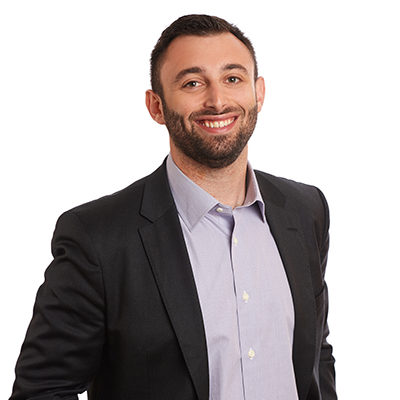
Sam Teicher
4
APPEARANCES
4
PODCASTS
Aug 24, 2026


Dylan WelchHOST
And to really solve this global crisis, we need to find a way that is both environmentally friendly and and you know profitable in some sort of capitalistic way as unfortunate as that is for a scalable solution to happen um that that needs to be the case and so sam i think what you've built is is really amazing and will have and is having a huge impact you know on on our planet and it's something that we desperately need so appreciate the work you're doing let's back let's back it up even further Tell us a little bit about you and your background and kind of what led to the creation of your company.

Sam TeicherGUEST
Well, just like every kid growing up in Washington, D.C., I dreamt I was going to become a coral farmer.
Sam TeicherGUEST
The first time I saw one, I was six on the island of Hawaii on a family vacation trip.
Dylan WelchHOST
Tell us kind of the scale of the work that you've built and where it's at right now.

Sam TeicherGUEST
There's about a billion people who depend on them for food, clothes, shelter, for jobs, for protection from storms.
Sam TeicherGUEST
A healthy coral reef, on average, reduces wave energy by 97%, so they're living sea walls protecting against storm surge from hurricanes and ongoing erosion.
Sam TeicherGUEST
Everyone who wants to go snorkeling and diving or fishing or just put their toes in nice white sandy beaches, those white sandy beaches are only there often because of coral reefs.

Sam TeicherGUEST
how it's traditionally done is you get a grant or a set of donations, and you set up these... very cheap, which lends itself to the sort of the NGO approach, underwater gardens, you know, often with ropes and PVC pipe and whatnot.
Sam TeicherGUEST
We got to see, you know, reefs come back to life and fishermen setting up their traps a few hundred yards away because the fish populations were covered so much.
Sam TeicherGUEST
So, you know, of the hundreds of coral species that exist around the world, A portion of them are known as branching corals.
Sam TeicherGUEST
So you could sort of imagine cutting the size of your thumb will grow to your hand and wrist in these sort of fingers, deer antlers in six to 12 months.
23 MINS LATER

Nick AskewHOST
You talk about hiring locally, but just paint a little picture, like, you know, what's it like in terms of the people inside? Yeah.


Sam TeicherGUEST
There are amazing organizations, community groups, NGOs, research groups, NOVA, doing coral restoration.
Sam TeicherGUEST
I'm actually on the advisory board of a group called the Coral Restoration Consortium, which is a global body looking to empower and uplift and share knowledge between groups.
21 MINS LATER
30:52
What's kind of the word around investing in the spaces like this right now?