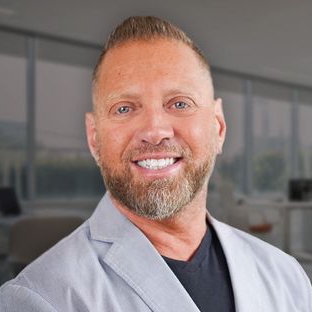
Sal Raichbach
Psychologist (PsyD, LCSW, CFSW) and Chief Clinical Officer at Haven Health Management / The Haven Detox Group, with 30+ years in addiction and mental health treatment.
2
APPEARANCES
1
PODCASTS
Mar 26, 2026


Sal RaichbachGUEST
So you have people who may have had depression for the longest time, who've been anxious for the longest time, but they were able to sustain themselves.
Sal RaichbachGUEST
People who used substances were able to sustain themselves in some ways, but chronicity hit.
Sal RaichbachGUEST
The difference between, and the statistics show, that for both adolescents and adults, an immediate response to an acute phase... yields in a much higher rate of success than actually prolonging.
Sal RaichbachGUEST
But what is success? If someone is in recovery, for example, goes into treatment after using every single day, having severe consequences, financial, legal, employment, the whole works and goes to treatment and does 30 days.
Sal RaichbachGUEST
And then they go to a partial hospitalization program and they do another three weeks.
Sal RaichbachGUEST
And then they And altogether, they've been sober now for six months because they're in treatment and they relapse.
15 MINS LATER
Sal RaichbachGUEST
It is done five, sometimes even six, and in some places, even seven days a week from four to six hours each day.
Sal RaichbachGUEST
There is more of a clinical interaction than the intensive outpatient program because of the amount of days and time that the client is actually engaged in therapy.
9 MINS LATER