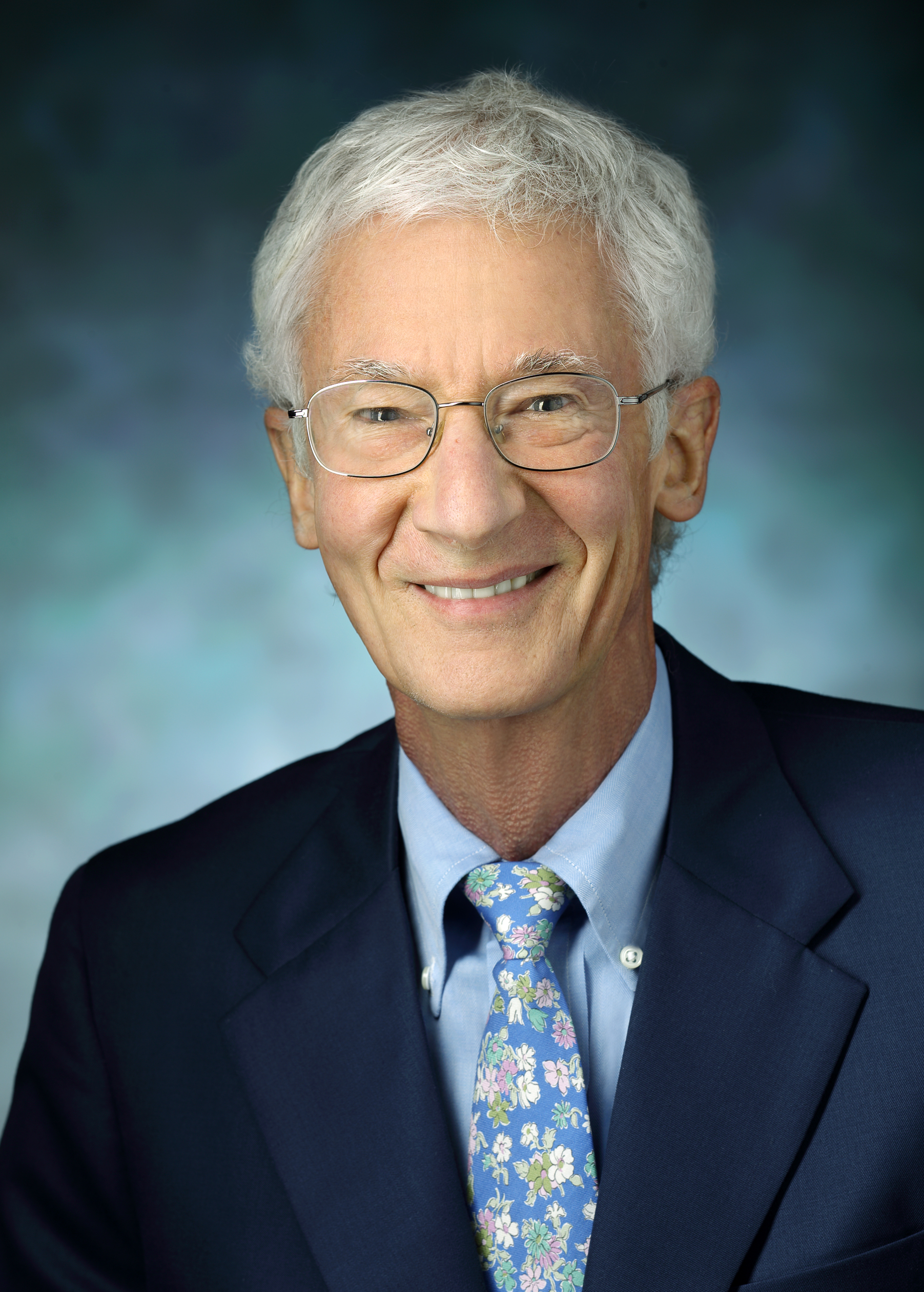
Roland Griffiths
American professor of NeuroscienceWikipedia
5
MENTIONS
5
EPISODES
5
PODCASTS
Search complete. 5 mentions across 5 episodes found for "Roland Griffiths".
Sep 9, 2026

Eben AlexanderGUEST
So that's point one.
Eben AlexanderGUEST
The second point is that Roland Griffiths, who worked at Johns Hopkins, and he did a lot of the pioneering work over the last few decades with some of these substances, and in fact, did a lot of the work to get them legalized for scientific research again.
Eben AlexanderGUEST
Thank you, Roland.
Eben AlexanderGUEST
But he did some pilot studies that were very interesting.

Jonathan FoustHOST
That was very much a deep, deep part of my path.
Jonathan FoustHOST
One of the many opportunities I've had being in the D.C. area was connecting with Roland Griffiths and Johns Hopkins and their research on the effect of high-dose psilocybin on people going through healing, people with addiction.
Jonathan FoustHOST
And one of their studies was the effect of high-dose psilocybin on long-term meditators.
Jonathan FoustHOST
So I got to work a little bit, help contribute to sort of the protocol, and I got to be the first one to go through it.

John DunneGUEST
This is the 30-question version of the MEQ.
John DunneGUEST
This is a few of the questions from the MEQ, which is used in psyched- has been used a lot in psychedelics research, especially by the group of, uh, the late Roland Griffiths at, uh, Hap- Johns Hopkins University, but by many other studies.
John DunneGUEST
And the idea here is that the MEQ, if you get to a certain level on the MEQ and your responses, you've had a mystical experience, and that correlates with other kinds of findings about wellbeing, for example, right? Or effects on depression.
John DunneGUEST
So what's important to note about this, when I said that there's things about this category that are important, the MEQ is picking up some kind of a signal, but it's a s- very noisy signal.

Rakesh JainHOST
Now, there is one more section that I think we should touch upon.
Rakesh JainHOST
Can you think of one other group of patients where core concerns of meaning in life, death acceptance, purpose in life is more acute than this particular population? And guess what? This is what started the entire current day renaissance in psychedelics because Roland Griffiths, Roland Griffiths and colleagues from Johns Hopkins published a study in Journal of Psychopharmacology in twenty sixteen that could go down as one of the top five papers of the last century.
Rakesh JainHOST
And what they showed is that in fifty-one cancer patients facing a potentially life-threatening outcome, what they found is a substantial and sustained degree of improvement in depression and anxiety.
Rakesh JainHOST
But really importantly, they found that attitudes about life, about self, about relationships, about mortality, about spirituality all had improved.

Simon YuglerGUEST
I heard a story that Shulgin would bring people a little rose, or at least the logo for the Shulgin Farm now, which is the organization that's preserving his work, is a little glass beaker with a rose out of it.
Simon YuglerGUEST
And I think Roland Griffiths did this too in his psilocybin research, bringing people a rose to make present the experience of beauty.
Simon YuglerGUEST
And I think psychedelics have a capacity to kind of clear, clear the slate enough, like blast the psyche enough that we can be presented with something like a single rose and be reconnected to this understanding that beauty still exists, you know, which is so easy to forget and lose sight of.
Simon YuglerGUEST
Yeah, I mean, I could go in so many different directions, you know, like the experience of prayer, which is like a very kind of taboo thing, especially in, I would say, like modern kind of left-wing culture.