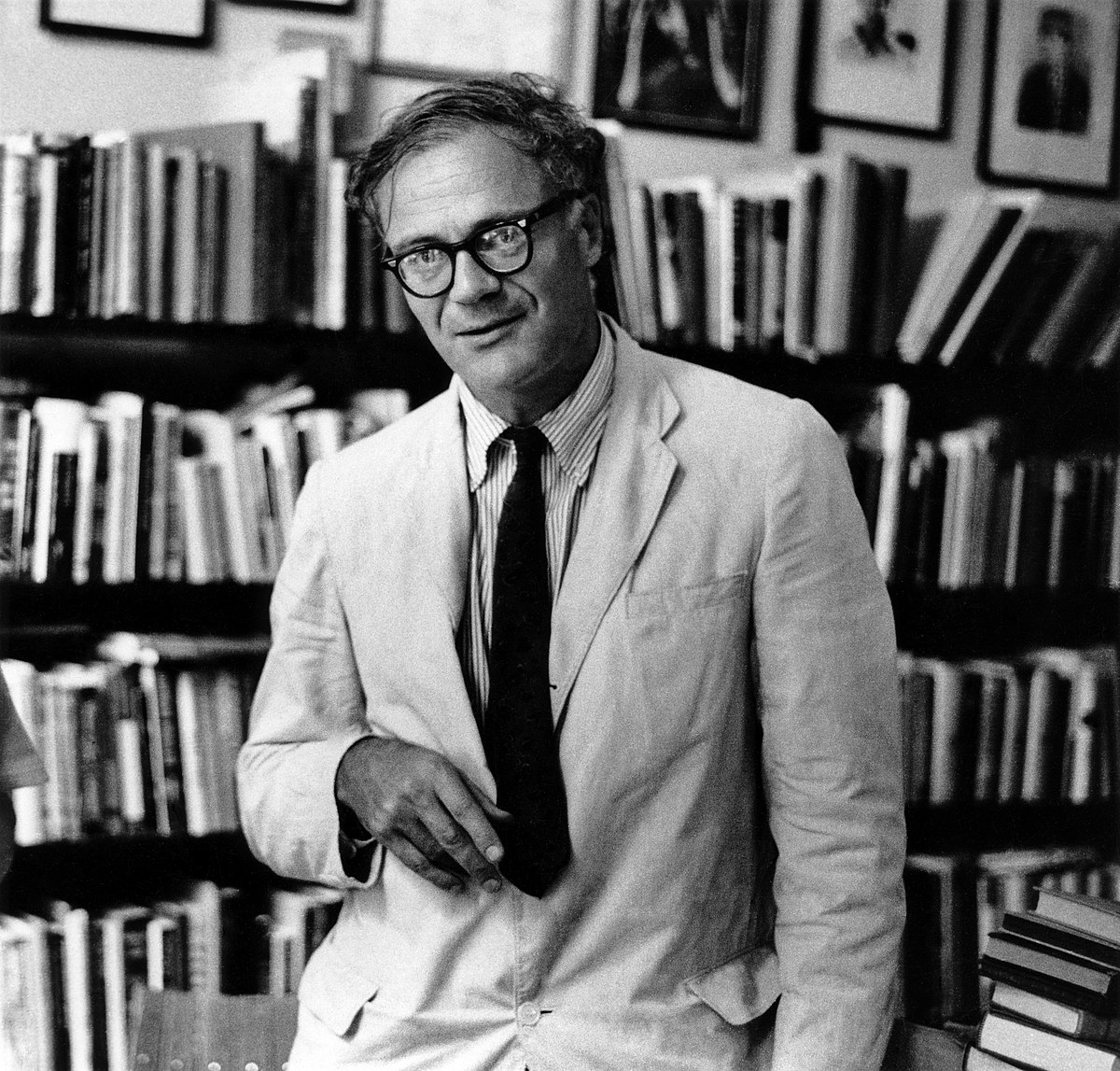
Robert Lowell
American poetWikipedia
20
MENTIONS
7
EPISODES
7
PODCASTS
Search complete. 20 mentions across 7 episodes found for "Robert Lowell".
Sep 21, 2026

Kathy FaganGUEST
And I, I adore the poem.
Kathy FaganGUEST
Um, but you know, like what exactly was going on with Robert Lowell? I just, I don't know.
Kathy FaganGUEST
I'm, I'm not sure.
Kathy FaganGUEST
Like I'm, I think that the wonderful thing about Bishop is how immortal the poems are and how I think people are going to be questioning that life in the same way that they question only Dickinson's life, right? Forever and ever.
Kathy FaganGUEST
It's just so complex and so interesting.
Kathy FaganGUEST
Yeah.
Aaron SmithHOST
I guess Robert Lowell, because you said him.
Kathy FaganGUEST
Robert Lowell is definitely coming.

Lyndsey StonebridgeGUEST
Lowell was there.
Lyndsey StonebridgeGUEST
Robert Lowell was there.
Lyndsey StonebridgeGUEST
Susan Sontag was the, she was supposed to engage with Arendt.
Lyndsey StonebridgeGUEST
And Arendt's so in pla-- she's violently against violence.

Katie MarquetteHOST
I mean, like, you know, I mean, yes, they're like, I'm not saying she lied, but like this sort of view of what was going on and what was sort of selectively shared is, was not at all representative of the family dynamic at least from their perspective again like you know that's the thing
Chris MarquetteHOST
is perspectives are different like um it's not claiming to be like there are no footnotes it's not claiming to be history the point is that it's an expression of someone's personal memories memoir means you know is memory and uh memories are different even people who experience the same thing remember differently But that's so like you talking there about the sort of the ethics around it made me think of two like examples in literary history or whatever like the you and I both are familiar with because that project we did Robert Lowell example of how he turned verbatim passages from letters he received into poetry and know essentially at times copying the language of someone's very personal letters to him and trying to turn that into art and i think it was even elizabeth bishop his friend and obviously another great poet who disapproved of that and um Yeah, and then the other example I thought of was more recent, the Karl Ove Knasgaard books, the My Struggle series, which he sort of...
Katie MarquetteHOST
Can you just explain what those books are, just in case we haven't heard of them?
Chris MarquetteHOST
Yeah, so I don't remember how long ago it was.

Jericho BrownGUEST
I remember being a very, very young person.
Jericho BrownGUEST
maybe eight or nine or 10 years old, and reading a poem by Robert Lowell called To Speak of Woe That Is in Marriage.
Jericho BrownGUEST
And I didn't even know the allusion.
Jericho BrownGUEST
Do you know what I'm saying? I just loved how the poem sound.

Andrew DickinsonGUEST
career.
Peter McDonaldHOST
One of her great friends was Robert Lowell.
Peter McDonaldHOST
um and as you met of course the correspondence exists and lowell just suffered from hyper productivity i don't think she ever criticized him for that i'm not sure
Andrew DickinsonGUEST
so she in some letters when she would um refer to the volumes that came out sort of the great big ones yes she referred to them as sonnets in inverted commas um yeah i think she thought he was just churning it out and She was quite critical of that, but not to him,
16 MINS LATER
Mark FordGUEST
We are driving to the interior.
Mark FordGUEST
I think that's one of my favourite rhymes in all poetry.
Mark FordGUEST
And I'll finish with one of the greatest elegies ever written for Robert Lowell, whom Andrew and Peter have been talking about and with whom she had an epistolary relationship more than a...
Mark FordGUEST
A close one.

Samuel BiagettiHOST
seasonally appropriate, as you might find, and also hopefully thematically appropriate, since I have started talking some about colonial New England, and soon I'll be addressing specifically the so-called Great Awakening, the mass religious revival that swept through colonial America starting in New England in the mid-1700s.
Samuel BiagettiHOST
So the poems that I want to read, two of them are by Robert Lowell and one by Anne Sexton.
Samuel BiagettiHOST
So Robert Lowell was an eminent poet, one of the great American poets of the 20th century, and was seen as an intellectual and a sort of representative of the Yankee Protestant tradition.
Samuel BiagettiHOST
And he himself came from old New England Puritan stock.
Samuel BiagettiHOST
And as I think you'll find, he had a lot of sort of unresolved personal conflicts and ambivalence about that background that he came from.
Samuel BiagettiHOST
However, he became very controversial, and the sort of old grandees of the Connecticut Valley removed him from his pulpit He then migrated farther west and took up ministry at a small mission church in Stockbridge at the western edge of Massachusetts, and then finally was persuaded to take up the presidency of the College of New Jersey, the Protestant seminary that is now known as Princeton.
Samuel BiagettiHOST
And that's where he died shortly after taking office when his smallpox inoculation went wrong.
Samuel BiagettiHOST
So he's a really remarkable and complicated colonial figure, and you'll see that Robert Lowell had a bit of an obsession with him, and at one point, I believe, actually claimed to be a descendant of Jonathan Edwards, although it turned out, you know, genealogists looked into it and found out that was not true.

Erin O'LuanaighHOST
I know, I know.
Erin O'LuanaighHOST
It's, yeah, in the, in the letters with, with Robert Lowell when he's, um, writing to her about her poem at the fish houses, he says, "Alas, all my fish just become symbols."
Wes AlwanHOST
Oh, very good.
Erin O'LuanaighHOST
I, I hesitate to reduce.