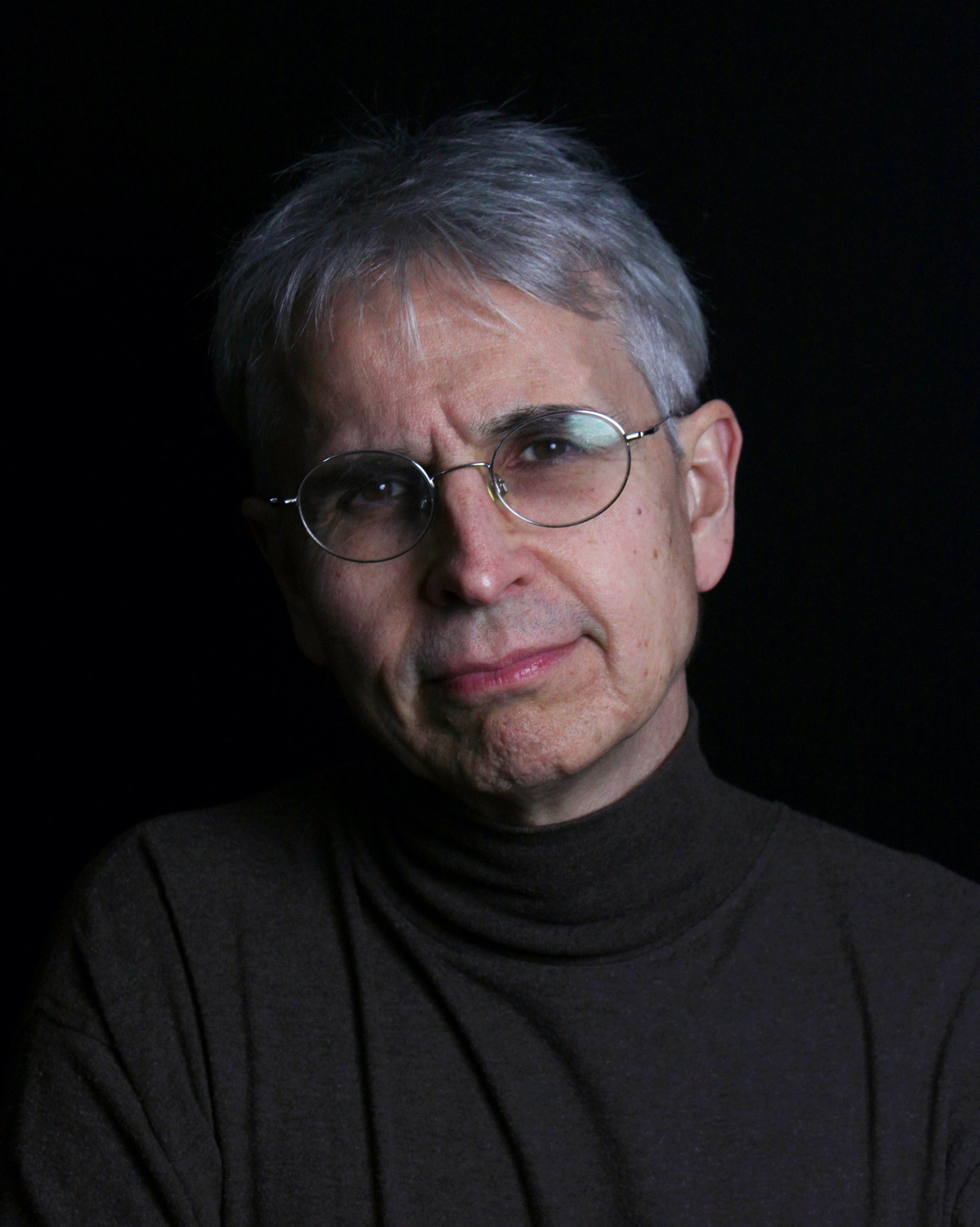
Robert Bartholomew
Sociologist and journalistWikipedia
8
MENTIONS
8
EPISODES
7
PODCASTS
Search complete. 8 mentions across 8 episodes found for "Robert Bartholomew".
Oct 8, 2026

Robert SapolskyHOST
And people have even modeled infectious disease spread by how it would jump from the handful of individuals it started with and spread outward.
Robert SapolskyHOST
Okay, so what is this about? A medical sociologist at the University of Auckland in New Zealand named Robert Bartholomew is the sage about this.
Robert SapolskyHOST
And what he has speculated is that these mass psychogenic illness breakouts of trembling, of tics, of laughter, of crying, of fainting, etc., are occurring at times of severe stress.
Robert SapolskyHOST
Interestingly, consistently, these schoolgirl outbreaks in East Africa were in missionary schools, where these were some pretty stern taskmasters.

Paul WeatherheadGUEST
You know, I suddenly became such an expert, I suppose, on this strange episode from 1938.
Paul WeatherheadGUEST
I ended up working with Robert Bartholomew, who's undoubtedly the world expert on mass hysteria and social panics.
Paul WeatherheadGUEST
And we wrote a book together called Social Panics and Phantom Attackers.
Paul WeatherheadGUEST
that detail the history of all these kinds of things.

Cathy FlocktonNARRATOR
I don't know how many investigators Joe took under his wing or collaborated with as trusted colleagues, but it was a lot.
Cathy FlocktonNARRATOR
I know he worked with Hayley Stevens, Robert Bartholomew, Stephen Novella, Jim McGaha, Robert Schaefer, Massimo Polidoro, and I'm sure many, many others.
Cathy FlocktonNARRATOR
I know he spoke about collaborating with James Randi and other founding members of CSICOP.
Cathy FlocktonNARRATOR
He venerated his own mentor and fellow Kentuckian, Robert A. Baker, and the magician and author Melbourne Christopher.

Cassidy ShirtsHOST
Right.
Julianne BoydHOST
Dr. Robert Bartholomew, who has a PhD in medical sociology, and he specializes in mass hysteria and social panics.
Julianne BoydHOST
It's like a really cool field of study.
Cassidy ShirtsHOST
Yeah.

speaker_0NARRATOR
It is not a study of Lavender Town music.
speaker_0NARRATOR
A later analysis by Benjamin Radford and Robert Bartholomew, published in February 2001, considered whether a media-amplified psychogenic component contributed to the broader reports surrounding the television event.
speaker_0NARRATOR
Their argument is an interpretation of the wider pattern of reported illness.
speaker_0NARRATOR
It should not be used to claim that every viewer had the same condition, that symptoms were fabricated, or that the documented incident did not happen.

BrewHOST
Many of the symptoms were consistent with what theologians and exorcists of the time believed were signs of demonic possession.
BrewHOST
In fact, Dr. Robert Bartholomew, in his paper Protean Nature of Mass Sociogenic Illness, argues that many of these convents housed young women who were typically coerced by their elders into joining, and much of the rigid discipline included disproportionate punishment, including flogging and solitary confinement.
BrewHOST
Bartholomew claims that these are the perfect conditions for incidents of MPI.
BrewHOST
Humans are social animals, after all.

Maria HaywardHOST
Maybe this is the equality that David Seymour wants us to go back to, but wouldn't you love a sign that read, "No racists allowed" instead? The documentary, if you haven't seen it, I highly recommend you, um, locate it and watch it.
Maria HaywardHOST
It was based on a book by a guy called Robert Bartholomew, which was published in 2020, and the book explored the history of racial segregation and discrimination against Maori in the district of Pukekohe.
Maria HaywardHOST
I watched it for my second time, and was angry a second time.
Maria HaywardHOST
My daughter, watching it with me for her first time, was angry, too, but she had an additional strong feeling, different from mine.
Maria HaywardHOST
But wouldn't you love a sign that read, no racists allowed instead? The documentary, if you haven't seen it, I highly recommend you locate it and watch it.
Maria HaywardHOST
It was based on a book by a guy called Robert Bartholomew, which was published in 2020.
Maria HaywardHOST
And the book explored the history of racial segregation and discrimination against Māori in the district of Pukakohe.
Maria HaywardHOST
I watched it for my second time and was angry a second time.