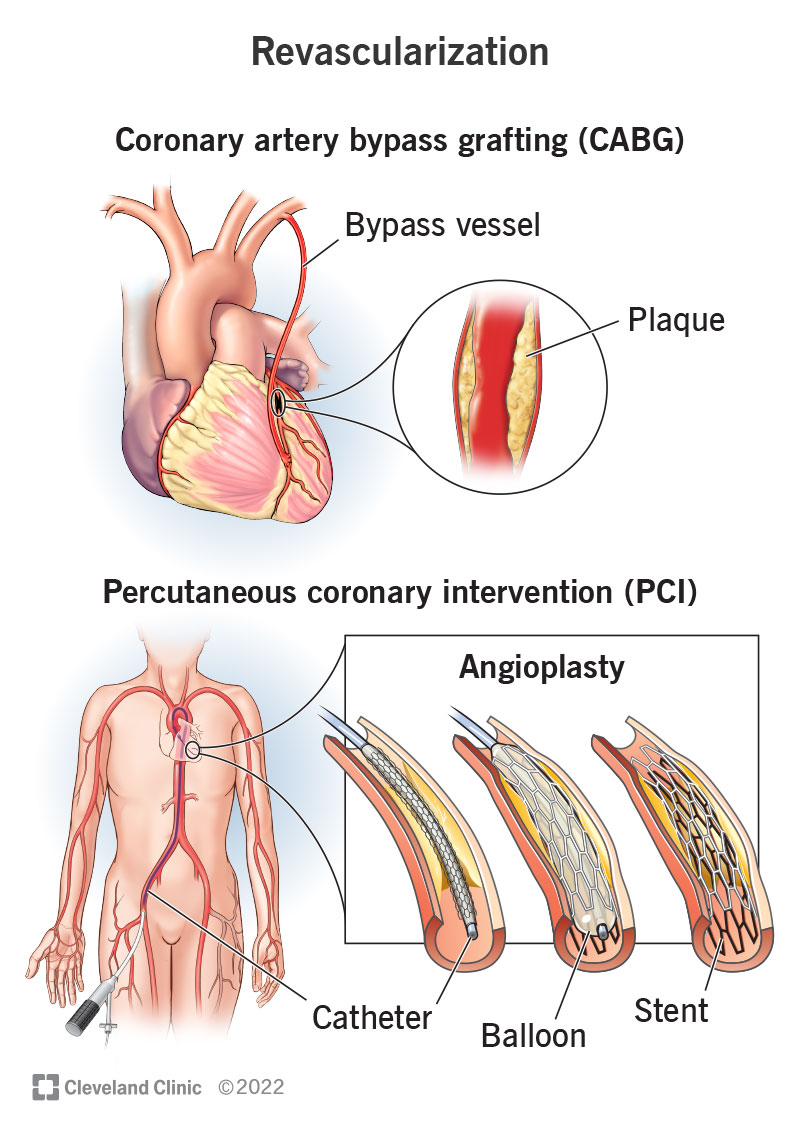
Revascularization
9
MENTIONS
9
EPISODES
8
PODCASTS
Search complete. 9 mentions across 9 episodes found for "Revascularization".
Sep 26, 2026

speaker_0HOST
The prosthetic will inevitably erode right through the numb skin, destroying the reconstruction and leading to devastating infections.
speaker_1HOST
Revascularization is achieved via microsurgery, typically anastomosing the radial artery and its venae comitans to the deep inferior epigastric vessels in the groin or occasionally the femoral vessels.
speaker_1HOST
The major undeniable downside of this incredible operation is the severe donor site morbidity.
speaker_0HOST
You leave a massive circumferential defect on the forearm that requires a split thickness skin graft.

Mike GallagherHOST
In patients with obstruction, obstructive CAD, high-risk plaque features, or high plaque burden, consider FFRCT or functional stress imaging to define significance.
Mike GallagherHOST
Revascularization should generally be reserved for limiting symptoms and/or objective myocardial, myocardial compromise.
Mike GallagherHOST
Initiate high-intensity statin therapy.
Mike GallagherHOST
And those statins are just been doubled up for me.

Mike GallagherHOST
In patients with obstructive CAD, high-risk plaque features or high plaque burden, consider FFRCT or functional stress imaging to define significance.
Mike GallagherHOST
Revascularization should generally be reserved for limiting symptoms and or objective myocardial compromise.
Mike GallagherHOST
Initiate high-intensity statin therapy, and those statins... or just been doubled up for me, I'm taking statins, and when appropriate, GLP-1-based therapy, e.g. semaglutide or terzepatide.
Mike GallagherHOST
They recommend the GLP-1 drugs to get the weight off.

Mike GallagherHOST
In patients with obstructive CAD, high-risk plaque features or high plaque burden, consider FFRCT or functional stress imaging to define significance.
Mike GallagherHOST
Revascularization should generally be reserved for limiting symptoms and or objective myocardial compromise.
Mike GallagherHOST
Initiate high-intensity statin therapy, and those statins... or just been doubled up for me, I'm taking statins, and when appropriate, GLP-1-based therapy, e.g. semaglutide or terzepatide.
Mike GallagherHOST
They recommend the GLP-1 drugs to get the weight off.

Mike GallagherHOST
In patients with obstruction-- obstructive CAD, high-risk plaque features, or high plaque burden, consider FFRCT or functional stress imaging to define significance.
Mike GallagherHOST
Revascularization should generally be reserved for limiting symptoms and/or objective myocardial, myocardial compromise.
Mike GallagherHOST
Initiate high-intensity statin therapy." And those statins are just been doubled up for me.
Mike GallagherHOST
I'm taking statins.

John MandrolaHOST
And this was a very ambitious aim.
John MandrolaHOST
He writes, what could have made a difference by introducing CTCA? Revascularization, which was very similar between both groups.
John MandrolaHOST
Statin treatment, which was only a 13% difference between both groups.
John MandrolaHOST
Professor Neumann's interpretation is that the target trial did not recruit the ideal target population due to the high amount of pre-existing CAD or preventive treatment.

William DavisHOST
from something that was not necessary because the evidence is clear.
William DavisHOST
These are called revascularization procedures, restoring blood flow procedures, revascularization.
William DavisHOST
Revascularization procedures do not provide any benefit to an asymptomatic person, especially if they have normal blood flow.
William DavisHOST
Remember, the risk is plaque rupture, not progressive blockage, not progressive stenosis, we say.
William DavisHOST
So a high score should not trigger, it should trigger preventive efforts, of course, but it should not trigger more and very costly procedures.

Joel DunningHOST
After TAVR, we've got a pulmonary carcinoid potential treatment called Tarlatumab.
Joel DunningHOST
We've got totally robotic hybrid revascularization.
Joel DunningHOST
What happens if you don't have your PCI after the revasc? And we've got experience in surgical exposure.
Joel DunningHOST
Does clamshell stenotomy or bilateral thoracotomies, which are best for lung transplants? We've got three amazing videos.
John MandrolaHOST
The thing is that the care of post-MI patients has greatly improved over the decades, right? Medical therapy of heart failure is better.
John MandrolaHOST
Revascularization is better.
John MandrolaHOST
And the other thing that is likely happening is that more and more patients are getting ICDs who have competing causes of death, older patients with other conditions.
John MandrolaHOST
Now, these are important clinical features because the way an ICD delivers its mortality benefit was by reducing arrhythmic death, and arrhythmic death has to represent a large fraction or proportion of death It was in relatively young patients with mostly ischemic heart disease, and they had not much else for diseases.