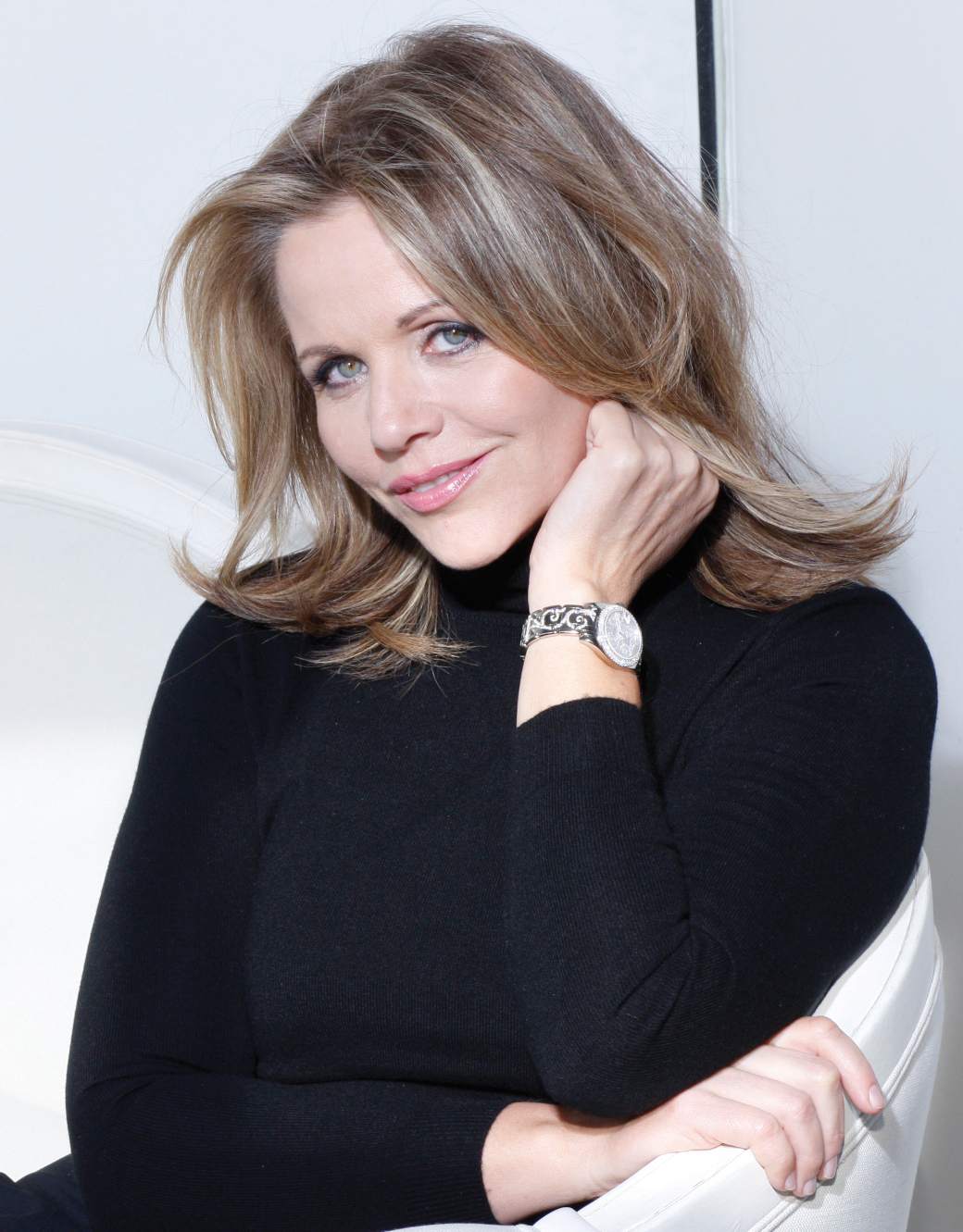
Renée Fleming
American actress
3
APPEARANCES
3
PODCASTS
Sep 15, 2026

Michael BobbittMODERATOR
[laughs] Michael.

Renee FlemingGUEST
And, uh, and theater also has an opportunity to talk about cl- conflict, to, to work with, uh, young people.
Renee FlemingGUEST
Um, at the schools level, this is why we, in education, we really need to maintain a presence for the arts in schools.
Renee FlemingGUEST
It's so fantastic for young people in terms of creating their own, um, sense of identity, uh, and learning how to deal with each other and, and learning even public speech is extremely helpful.
Renee FlemingGUEST
And then personally, I've been kind of charged, Francis Collins actually said we need a stronger pipeline for the research.
Renee FlemingGUEST
So I started with these NeuroArts, uh, Investigator Awards, which is with Johns Hopkins and the Aspen Institute, and we've now given 70 grants out, and that's really been extraordinary because it's a, a scientist with access to a lab who must partner with an artist.
34 MINS LATER
Michael BobbittMODERATOR
And so what is gonna be the requirement of our general directors and artistic directors and artists to make sure we are building those relationships across, across different sectors that can benefit from this, um, this, this great intervention?

Renée FlemingGUEST
I love that we're funding fellowships because I really felt strongly that we need to strengthen the pipeline for the research.
Renée FlemingGUEST
And because it is early days, I mean, but the fact that somebody doing a actually trying to do an implant for a patient with epilepsy.
Renée FlemingGUEST
And they can, while they're waiting for a seizure, they'll ask the patient, do you mind if we try a music experiment? So they're discovering a lot about how, Edward Chang is the doctor who I'm most familiar with doing this, about how we process sound, about how we process or predict.

Jim WeissHOST
So why is it so important to get behind scientists who are working on this music theory and the neuroscience of music?

MattHOST
And did you come to this, Renée, with kind of much of a brief as to what you wanted from Béla? Or was it very much, "Here are some songs, let's see where we get to"?
Renée FlemingGUEST
It's obviously not my world, so it was kind of a relief to just sit back and say, "Take it away," because, [laughs] uh, and he did a fabulous job.
Renée FlemingGUEST
But what amazed me was, I, I'm used to, you know, it, it's so expensive to record, um, has been traditionally for me, because you're paying a whole orchestra to sit there.
Renée FlemingGUEST
So you get through things as quickly and efficiently as you can, and that's it, and then you work with the material you get from that session.
Renée FlemingGUEST
But Béla was willing to keep going back and, and-tinkering and kind of just looking at it again and changing things, and I was still awestruck by his, uh, and I don't even think it was because out of a sense of perfectionism, which, which is what it would be in our world.
Renée FlemingGUEST
I think it was more, what else can I mine from this material? And I mean, the, the, my favorite example is the trio, uh, what he made, uh, what, what he turned into a round and a trio and a canon with "Pretty Bird," which I think is just so special.
12 MINS LATER
MattHOST
And are they, will they kind of take the format of sort of delivering that almost as a song cycle as it exists on record?