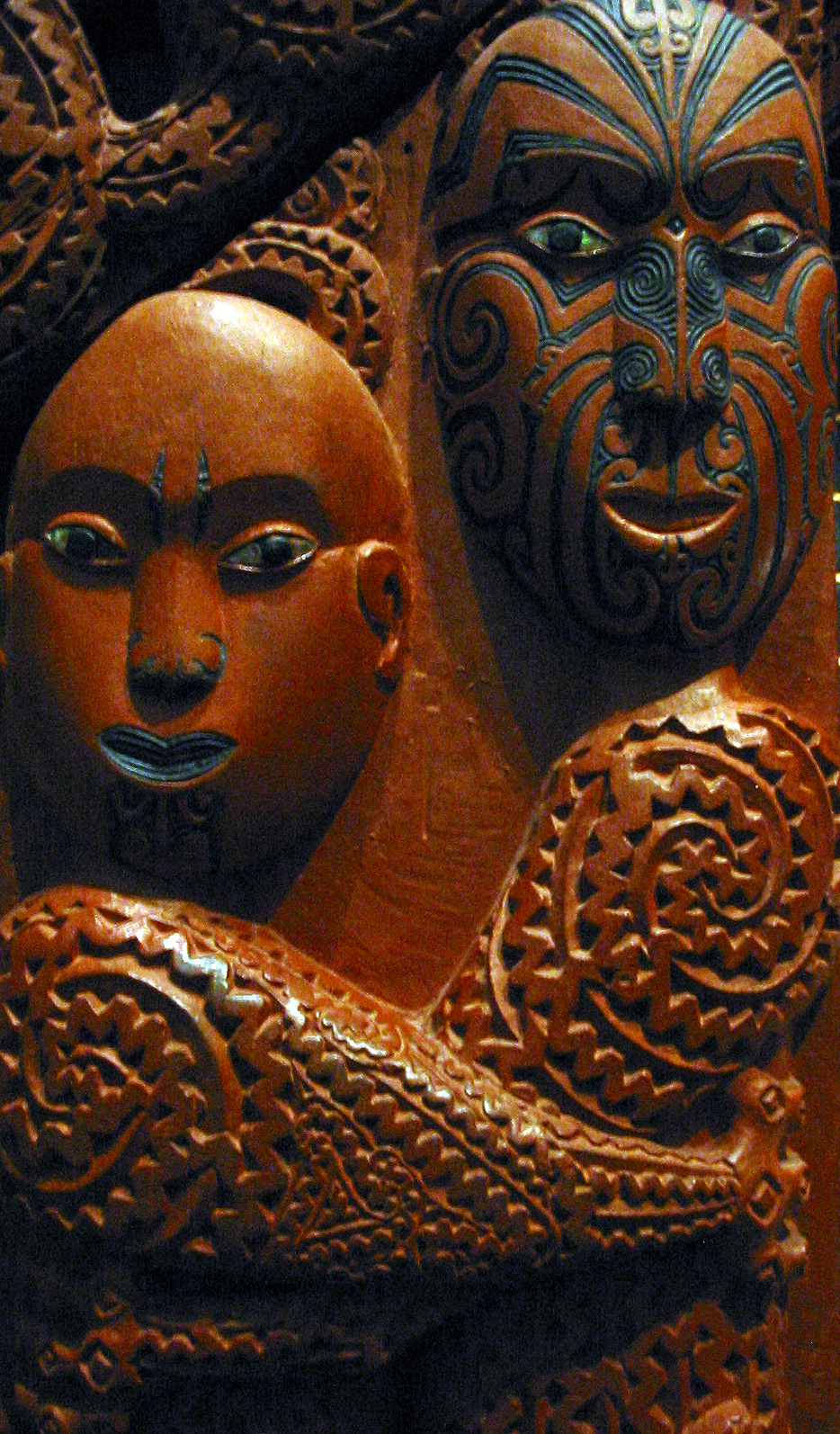
Rangi and Papa
7
MENTIONS
5
EPISODES
5
PODCASTS
Search complete. 7 mentions across 5 episodes found for "Rangi and Papa".
Oct 25, 2026

David Perenara-O'ConnellSOUNDBITE_SPEAKER
And with our Lake Te Waihora full of eels on one side, it's deeply tied to the Pūrākau, where Tāwhaki meets Tuna, the eel in the highest of heavens.
David Perenara-O'ConnellSOUNDBITE_SPEAKER
He tells Tuna of the bounties of Papatūānuku, our Earth Mother, and tuna descends to live in its cool waters.
David Perenara-O'ConnellSOUNDBITE_SPEAKER
This story isn't just about eels.
David Perenara-O'ConnellSOUNDBITE_SPEAKER
It's about connection, about movement between realms, about the idea that knowledge flows from heavens to earth, from atua to tangata, from gods to people, and from flora and fauna to us.

Ellie PukehikaGUEST
Yeah, so karakia is, I guess, like prayer.
Ellie PukehikaGUEST
It can be an... not always an ask, well, it can be an asking of certain things, but a recognition of our ancestry as well so one thing that we have been in discussion about is who is the because horses are not indigenous to here so so what is the whakapapa what is the ancestry of the horse and what can perhaps we learn from other cultures where horses are indigenous what is the creation story of the horse and how can we mihi how can we give thanks and acknowledge that ancestral line of the horse because I think when we're in karakia out with our horses we're acknowledging all that exists and I think that just by doing that alone we set the intention and the foundation for coming into relationship because we're acknowledging Ranginui, our sky father.
Ellie PukehikaGUEST
We're acknowledging Papatuanuku, our earth mother.
Ellie PukehikaGUEST
We're acknowledging the lineage of the horse and this horse or horses in front of us as well.

Mate WebbGUEST
Aye.
Mate WebbGUEST
And so you can start talking about, uh, uh, things around Papatūānuku and, and Ranginui and those sorts of stuff.
Mate WebbGUEST
That's knowledge that w- I myself knows and how I would interpret that- May be seen as something quite abstract from somebody else because it hasn't been measured, it hasn't been, you know.
Mate WebbGUEST
And so that's where the, the tension is.
12 MINS LATER
Mate WebbGUEST
A negative ripple effect across every other thing that they're experiencing, eh?
Matt HeganHOST
Mm.
Mate WebbGUEST
So it's to bring them back down into Papatūānuku and ground them there first and, and then work from there.
Matt HeganHOST
Mm.

Theo WrenfieldNARRATOR
The Māori people of New Zealand told stories of Rūaumoko, a god associated with earthquakes, volcanoes, and the changing seasons.
Theo WrenfieldNARRATOR
According to tradition, Rūaumoko remained within the womb of Papatūānuku, the Earth Mother, and his movements there were believed to cause the trembling felt on the surface above.
Theo WrenfieldNARRATOR
This story, like so many others from cultures around the Pacific, placed the source of seismic activity deep within the Earth itself—a notion that, while expressed through myth, resonates in an almost poetic way with what we now know to be true about the planet’s internal structure and the forces churning within it.
Theo WrenfieldNARRATOR
In the volcanic landscapes of Indonesia, home to some of the most active volcanoes on Earth, local traditions often spoke of spirits residing within specific mountains.

Lisa GembitskyGUEST
i was experiencing but i certainly wasn't knees deep in it like yeah i wasn't doing investigations that and the other thing is is you've got to understand in new zealand we are very closed right we are colonialized 120 odd years ago christianity catholicism all of that sort of stuff came in real hard and heavy And so, and took over the indigenous culture or the native culture here of the Māori people.
Lisa GembitskyGUEST
And the Māori people have, you know, so many different gods that they, you know, Papatūānuku, Ranginui, which are the earth god and the sky god and mother and father and then all of the sub-children in between and all this sort of stuff.
Lisa GembitskyGUEST
And we learn this when we're at school, you know, like, so we go through primary school, we learn all of the the whakapapa, which is your genealogy, your connection to the land, you are seen as part of the iwi, part of the tribe, part of the Māori people, part of the culture, because you are part of New Zealand.
Lisa GembitskyGUEST
You are connected to the land.
Lisa GembitskyGUEST
So as you go through primary school and go all the way through your schooling, we sing songs, we do karakias, which are prayers before food, saying thank you to Ranginui and Papatūānuku for growing our food.
Lisa GembitskyGUEST
We have every year we do Matariki, which is celebrating the seven sisters, which is the Pleiadian constellation, which cracks me up every year because I'm like, do
Tressa SlaterHOST
you guys know that that's a UFO