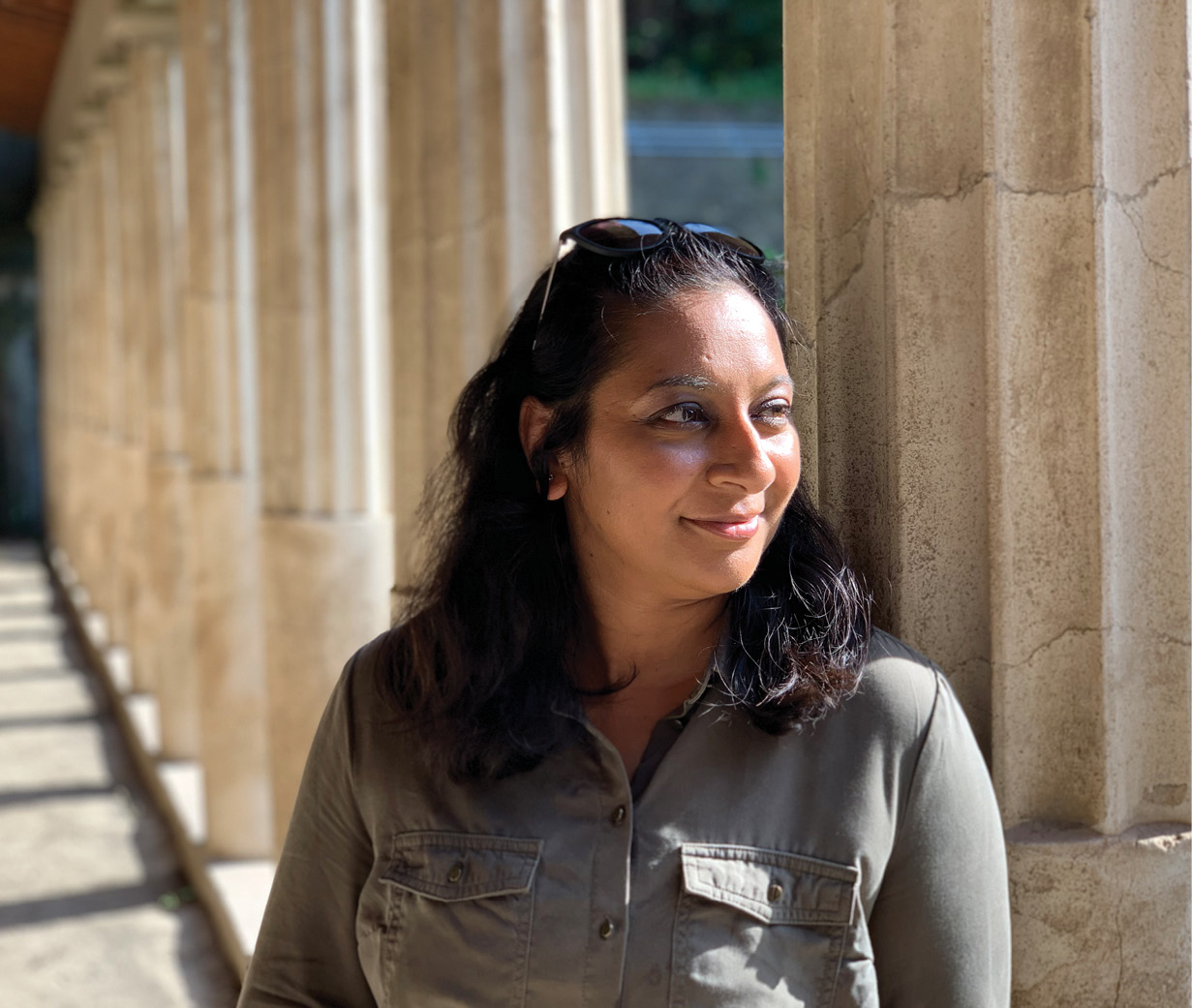
Raksha Dave
ArchaeologistWikipedia
18
MENTIONS
6
EPISODES
1
PODCASTS
Search complete. 18 mentions across 6 episodes found for "Raksha Dave".
Oct 30, 2026

Alice RobertsHOST
Oh, my goodness.
Alice RobertsHOST
While archaeologist Raksha Dave looks into the analysis that goes on long after a dig is finished,
Raksha DaveCORRESPONDENT
Somebody stabbed her in the
Alice RobertsHOST
back of the head.
20 MINS LATER
Alice RobertsHOST
Once finds and samples are retrieved, they're sent off to labs for conservation and analysis, a process that can take weeks, months, sometimes even years.
Alice RobertsHOST
And for this next dig in Chichester, it is only when the samples arrive in the lab that the real details begin to emerge.
Alice RobertsHOST
Field archaeologist Raksha Dave is travelling to Port Slade to find out how post-excavation work following a Chichester dig is making sense of Britain's lost landscapes.
Raksha DaveCORRESPONDENT
For the last two years, Southern Water have been laying a 10-kilometre pipeline, cutting through town and country, and they paid archaeologists south-east to monitor their work.
Alice RobertsHOST
I'll be in the lab where archaeologists will bring in everything from metalwork to human remains.
Alice RobertsHOST
And archaeologist Raksha Dave will use the latest scientific techniques to examine these finds and unlock the secrets of pre-Roman Britain.
Raksha DaveGUEST
This is absolutely
Alice RobertsHOST
extraordinary.
26 MINS LATER
Alice RobertsHOST
The ancient lanes criss-crossing the Yorkshire wolds make us question that old assumption that the Romans were the first to introduce roads to Britain.
Alice RobertsHOST
These lanes are evidence that this area was already home to a well-connected society well before the Roman invasion.
Alice RobertsHOST
But how far did these people travel? To find out, archaeologist Raksha Dave is joining Richard Madrick, an archaeological scientist from Cardiff University.
Raksha DaveGUEST
We've got rather a large array of human remains here.
Alice RobertsHOST
Oh, my goodness.
Alice RobertsHOST
While archaeologist Raksha Dave looks into the analysis... ...that goes on long after a dig is finished...
Raksha DaveGUEST
Somebody stabbed her in the back
Alice RobertsHOST
of the head.
26 MINS LATER
Alice RobertsHOST
And it's all down to the anaerobic conditions in this soil.
Alice RobertsHOST
Behind the scenes, post-excavation work is transforming our knowledge of one of the most turbulent times in the history of Vindolanda, the second century civil war.
Alice RobertsHOST
Archaeologist Raksha Dave is getting a privileged look at the conservation work taking place during this year's digging season.
Raksha DaveGUEST
Every archaeologist dreams of working on a site like Vindolanda.
Alice RobertsHOST
Oh, my goodness.
Alice RobertsHOST
While archaeologist Raksha Dave looks into the analysis that goes on long after a dig has finished, Somebody
Raksha DaveCORRESPONDENT
stabbed her in
Alice RobertsHOST
the back of the head.
24 MINS LATER
Alice RobertsHOST
In the 19th century, this was where the poorest would have been buried, so it's an exciting discovery.
Alice RobertsHOST
These skeletons have to be exhumed, ready for reburial, but this gives us a precious opportunity to look at life and death for some of the poorest people in 19th century Britain, just as cities were becoming utterly transformed by industrialisation.
Alice RobertsHOST
To find out what the post-excavation work can tell us about these individuals, archaeologist Raksha Dave is visiting the Wessex labs and meeting osteoarchaeologist Kirsten Dinwiddie.
Raksha DaveCORRESPONDENT
I want to find out how months of forensic work is building up a detailed picture of the lives of each individual.
Alice RobertsHOST
I'll be in the lab where archeologists will bring in everything from metalwork to human remains.
Alice RobertsHOST
And archeologist Raksha Dave will use the latest scientific techniques to examine these finds and unlock the secrets of pre-Roman Britain.
Alice RobertsHOST
This is absolutely extraordinary.
Alice RobertsHOST
This is helping us to tell a very different story of life in the Iron Age.
23 MINS LATER
Alice RobertsHOST
[pensive music] The ancient lanes crisscrossing the Yorkshire Wolds make us question that old assumption that the Romans were the first to introduce roads to Britain.
Alice RobertsHOST
These lanes are evidence that this area was already home to a well-connected society well before the Roman invasion.
Alice RobertsHOST
But how far did these people travel? To find out, archeologist Raksha Dave is joining Richard Madgwick, an archeological scientist from Cardiff University.
Alice RobertsHOST
You've got a rather, a large array of human remains here.
Alice RobertsHOST
Oh, my goodness.
Alice RobertsHOST
While archeologist Raksha Dave looks into the analysis that goes on long after a dig is finished.
Alice RobertsHOST
Somebody stabbed her in the back of the head.
Alice RobertsHOST
What an awful way to go.
21 MINS LATER
Alice RobertsHOST
Once finds and samples are retrieved, they're sent off to labs for conservation and analysis, a process that can take weeks, months, sometimes even years.
Alice RobertsHOST
And for this next dig in Chichester, it is only when the samples arrive in the lab that the real details begin to emerge.
Alice RobertsHOST
Field archeologist Raksha Dave is traveling to Portslade to find out how post-excavation work following a Chichester dig is making sense of Britain's lost landscapes.
Alice RobertsHOST
For the last two years, Southern Water have been laying a 10-kilometer pipeline, cutting through town and country, and they paid Archeology South-East to monitor their work.