Pulmonary wedge pressure
6
MENTIONS
2
EPISODES
2
PODCASTS
Search complete. 6 mentions across 2 episodes found for "Pulmonary wedge pressure".
Sep 23, 2026

Sachi LordHOST
Today we're going to make hemodynamics way easier to understand.
Sachi LordHOST
By the end of this video, you'll be able to connect preload, afterload, contractility, cardiac output, SBR, CVP, and PAOP to what you're seeing in a hypotensive patient.
Sachi LordHOST
Instead of looking at each number by itself, we're going to use them together to figure out whether the main problem is filling, pump function, vascular tone, or oxygen delivery.
Sachi LordHOST
My name is Sachi.
Sachi LordHOST
If your patient is on high PEEP, some of that pressure is transmitted into the chest and can raise the CVP even when the patient does not have excess circulating volume.
Sachi LordHOST
And a CVP of 6 also does not automatically mean the patient needs fluid, right? The ventricle may already be on the flat part of its response curve, or the hypotension may be coming from basodilation rather than inadequate filling.
Sachi LordHOST
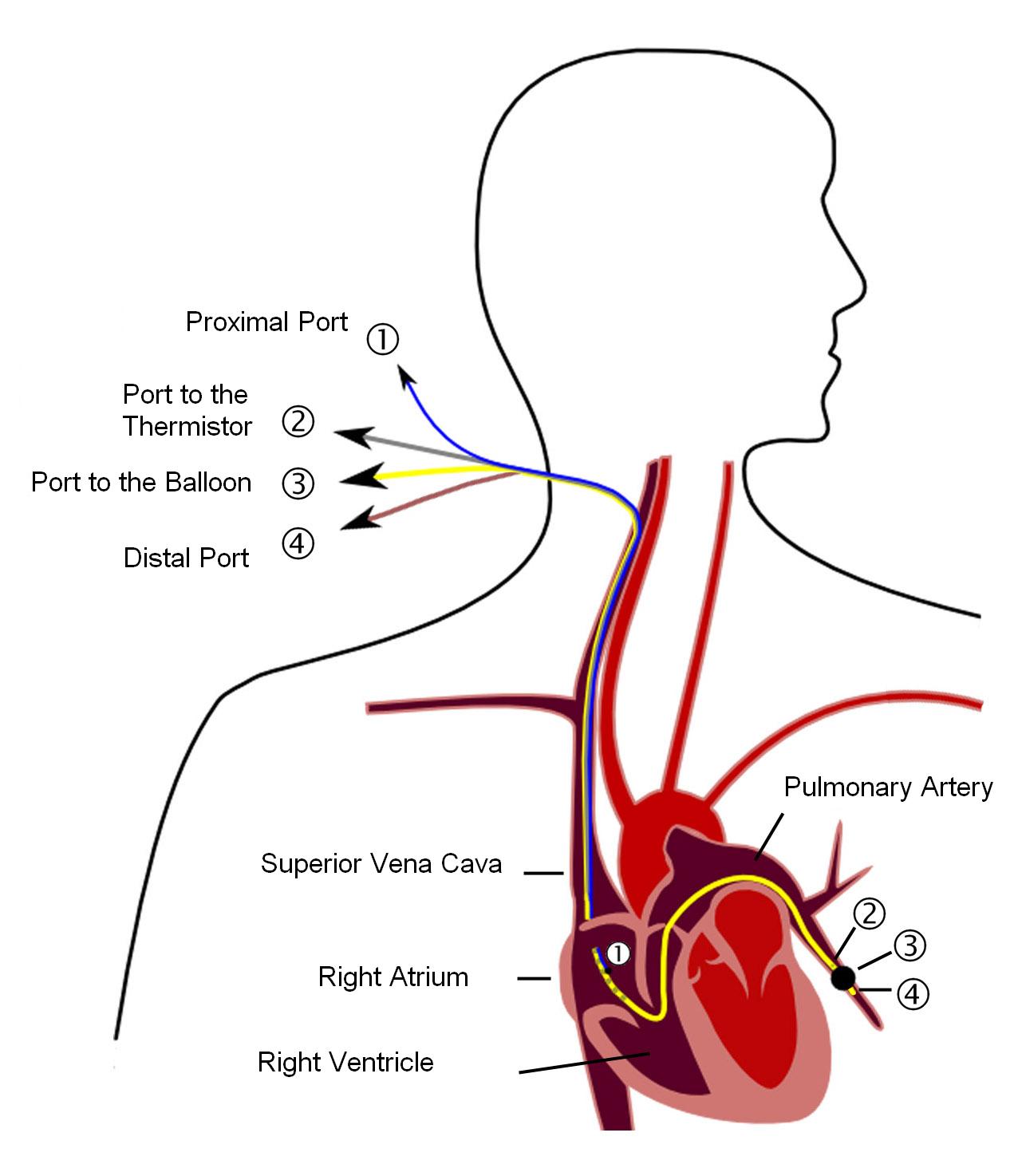
PAOP, which we also call the wedge pressure, gives us an estimate of left atrial pressure when the catheter position and measurement conditions are right, of course.
Sachi LordHOST
It can help us think about left-sided filling pressure, but it still does not directly measure left ventricular volume.

speaker_0HOST
But an elevated pulmonary artery pressure alone does not tell you the mechanism.
speaker_0HOST
For precapillary pulmonary hypertension, you need three things, MPAP greater than 20, pulmonary artery wedge pressure, or PAWP, of 15 or less, and pulmonary vascular resistance, or PVR, greater than two wood units.
speaker_0HOST
If the wedge pressure is greater than 15, we're dealing with postcapillary pulmonary hypertension.
speaker_0HOST
If the PVR is 2 or less, that's isolated postcapillary pH.
9 MINS LATER
speaker_0HOST
Group 2 pulmonary hypertension is caused by left heart disease.
speaker_0HOST
Think heart failure with preserved ejection fraction, heart failure with reduced ejection fraction, valvular heart disease, and other left-sided cardiac conditions.
speaker_0HOST
The key hemodynamic clue is an elevated PAWP.
speaker_0HOST
If the wedge pressure is above 15, think post-capillary pH.