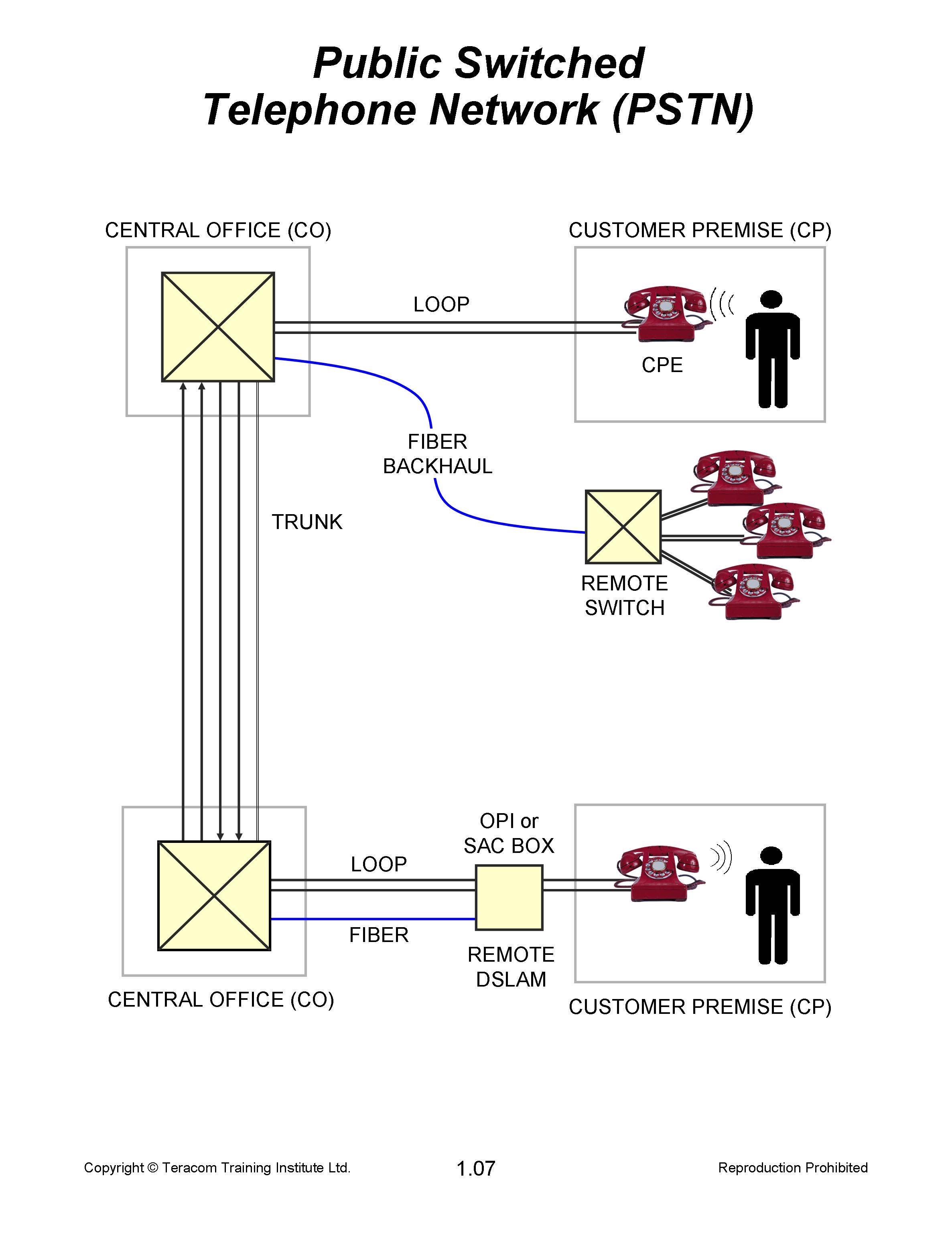
Public switched telephone network
15
MENTIONS
6
EPISODES
5
PODCASTS
Search complete. 15 mentions across 6 episodes found for "Public switched telephone network".
Oct 9, 2026

Doug GreenHOST
Is it true-
Bill McClainGUEST
... important, I was gonna say, it was very important to us to keep that call, to keep control of that call, and if w- if you're sending it to a 10-digit phone number across the PSTN somewhere else, you lose control.
Bill McClainGUEST
We wanted to have the c- call, keep the call, have visibility of the call.
Doug GreenHOST
I think this is a big headline, uh, Jodi, because, uh, uh, we were also kinda talking a little bit about this before we got underway today, the, the different cultures in, in this world of technology are coming together, and there are definitely people, uh, that just don't understand how this works and are, are offering products that might be very difficult and awkward for MSPs to introduce to their clients.

JasonHOST
Unfortunately, it appears that all the commenters and all those on social media and in YouTube have not done their due diligence in reviewing all the historical commission legislative actions concerning this matter, which dates to 1976.
JasonHOST
As a matter of establishing interconnection policies for private land mobile radio, PLMR, and GMRS systems, then referred to as, uh, CB Radio Class A, to the public switching telephone networks, PSTN, was for the first time addressed legislatively by the commission in 1976.
JasonHOST
The FCC proceeded to Docket 20846." Okay, and then it goes on.
JasonHOST
There's a lot of legalese and a lot of legal jargon here.
JasonHOST
"Accordingly, we have decided to bar, to bar interconnection to this service." And then more stuff down here about this, and the conclusion down here.
JasonHOST
Michael Trejos, this is his proposal.
JasonHOST
"Since 1976 to date, FCC has had a consistent legislative record regarding the proho- prohibition of GMRS transmissions over public switching telephone networks, or PSTN.
JasonHOST
The common carrier cellular industry has been vehement throughout their history preventing theft of service and their use of Title 18 USC 47 1029 Alpha five and six to prosecute theft of service where applicable.

Paul AshleyGUEST
Yeah, I think we're kind of in a, in sort of a phase where it is changing.
Paul AshleyGUEST
If I think about 20 years ago, we all had home phone numbers and we all had those PSTN lines and people would call our home phone numbers.
Paul AshleyGUEST
Now, I probably haven't had a home phone number for 10 years because I changed over to mobile.
Paul AshleyGUEST
And then the first phase of that is you've got a SIM number and that becomes your kind of personal number and people call you on that.
13 MINS LATER
Paul AshleyGUEST
So people need to be aware of that.
Paul AshleyGUEST
If both ends have got MySudo, it's end-to-end encrypted, no one can get anywhere near it.
Paul AshleyGUEST
If you're calling outside of MySudo, as you said, it becomes sort of a PSTN call and a... and SMS, which are both in the clear because that's just how the network works.
Gabriel CustodietHOST
Right.

Elias SayighGUEST
Equally, I can think of another use case.
Elias SayighGUEST
I mean, we've obviously got WebRTC enabled, but there's still a lot of customers out there that kind of do that experience via PSTN lines.
Elias SayighGUEST
So they work through the app, and they get you to a certain stage and then go, "I'll place an outbound call," but equally to make sure it's, 'cause I know from the app it's Doug, I'm gonna put a, a series of DTMF signals down the line, and you always hear that bloop, bloop, bloop, bloop, bloop.
Elias SayighGUEST
That's what that's going on at the moment.

Scott BichenoHOST
PSTD.
Scott BichenoHOST
No, it's PSTN.
Scott BichenoHOST
PSTN.
Ian MorrisHOST
The silicon photonics itself would be similar to the kind of stuff that we've seen.
Ian MorrisHOST
I mean, is it very different from what we've seen people like Infinera and Nokia doing in the past, which is obviously used in a kind of fixed line context? Yeah, it's used in
Doug GreenHOST
So we're gonna be, uh, talking about IP transition.
Doug GreenHOST
We're really gonna be talking about, uh, one of the many issues that come with the migration from the PSTN, uh, to a more modern system and what that, what that entails.
Doug GreenHOST
We're gonna be diving into that in just a second.
Doug GreenHOST
But first of all, what is TNS?
Doug GreenHOST
Is there a significant challenge popping up?
Connie HartmanGUEST
There is.
Connie HartmanGUEST
The industry is undergoing one of its biggest infrastructure transitions in decades, moving away from that legacy TDM and PSTN network toward an all-IP network.
Connie HartmanGUEST
The challenge is that carriers cannot simply turn off the old network.