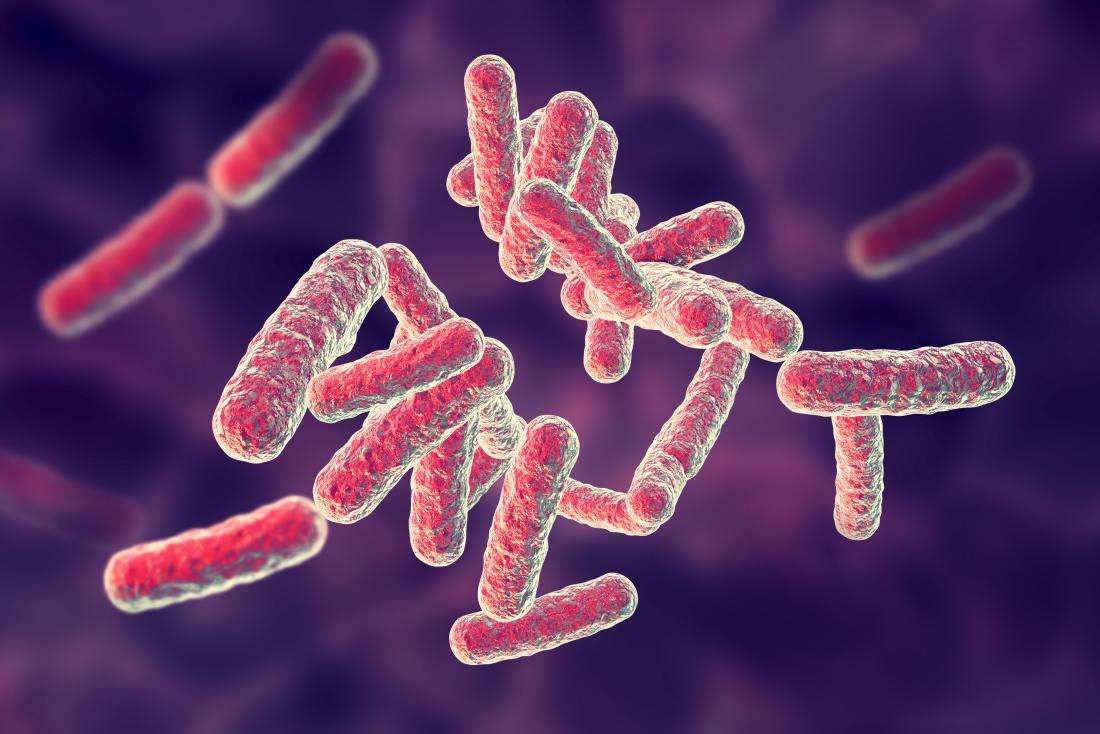
Pseudomonas
BacteriaWikipedia
123
MENTIONS
52
EPISODES
52
PODCASTS
Search complete. 123 mentions across 52 episodes found for "Pseudomonas".
Sep 17, 2026

speaker_1NARRATOR
The review highlights growing concerns around fungicide resistance in Botrytis cinerea, alongside environmental pressures to reduce chemical inputs.
speaker_1NARRATOR
A wide range of microorganisms have shown potential, including Bacillus and Pseudomonas bacteria, yeasts such as Saccharomyces and Metchnicoea, and filamentous fungi including Trichoderma.
speaker_1NARRATOR
These biological agents can suppress Botrytis through several mechanisms, including competition for nutrients and colonization sites, production of enzymes that degrade fungal cell walls, and stimulation of grapevine defense responses.
speaker_1NARRATOR
However, their field performance is strongly influenced by environmental conditions, with higher temperatures and lower humidity generally favoring biological activity.

Sam JonesHOST
And when you picture a bacterium, you might imagine a simple single cell that floats around.
Sam JonesHOST
For example, let's take Pseudomonas aeruginosa, a bacterium that's gonna come up a lot in our episode today.
Sam JonesHOST
It looks kinda like a fuzzy Cheeto with a tail, [laughs] um-
Deboki ChakravartiHOST
[laughs]
9 MINS LATER
Deboki ChakravartiHOST
But with a defective CFTR protein, those ions get stuck in the cell, so water doesn't get brought in, and patients end up having very thick mucus.
Laura JenningsSOUNDBITE_SPEAKER
And this is a major problem because the way that we are supposed to clear the bacteria from our airways is in this mucus, and If you have this defect, that process is impaired, and what happens is that that opens you up for these infections with these opportunistic pathogens.
Laura JenningsSOUNDBITE_SPEAKER
One of the ones that I study is Pseudomonas aeruginosa, and once it gets in, up to 80% of patients with CF will eventually become colonized with Pseudomonas, and these infections persist for decades.
Laura JenningsSOUNDBITE_SPEAKER
This causes damage to the lung, and, uh, these infections are incredibly difficult to clear.

Millie RosalesGUEST
Um, I have had a few Malassezia cases, and I can't say it's been the resistant ones off the top of my head that are kind of producing kind of like a biofilm.
Millie RosalesGUEST
Um, 'cause we kind of think like, oh, biofilm is Pseudomonas, but no, actually Malassezia can produce biofilm and it's almost like this almost slimy, waxy debris.
Millie RosalesGUEST
It's very weird.
Millie RosalesGUEST
It's not just wax.
Millie RosalesGUEST
It's kind of slimy.
Millie RosalesGUEST
Um, almost kind of makes you worry that there is a Pseudomonas, but I've cultured it, done cytology.
Millie RosalesGUEST
And in some of these I've actually used something with Tris-EDTA or N-acetylcysteine to kind of use that to help with the cleaning.
Millie RosalesGUEST
So, um, so it kind of depends on the patient.

Haley SmithHOST
But what was really standing out to me is she had a fair number of what we call gram-negative bacteria popping up.
Haley SmithHOST
Specifically, ones that I'm looking at are Pseudomonas, which I'll give more detail on in a second.
Haley SmithHOST
And then there's a section on here called inflammatory and autoimmune-related bacteria.
Haley SmithHOST
This is a section that I want completely below detectable limit because of the impact it can have on inflammation and autoimmune-related bacteria.
Haley SmithHOST
Um, down the road, again, this autoimmune connection that it can have, it's linked with rheumatoid arthritis, Crohn's, ulcerative colitis, psoriatic arthritis.
Haley SmithHOST
Um, Citrobacter was the other one of these that showed up for her, which again is acr-incr-asso-whoa, associated [chuckles] with incres-increased intestinal inflammation, also associated with rheumatoid arthritis.
Haley SmithHOST
And then, let's see, the other big one I mentioned was Pseudomonas.
Haley SmithHOST
This one is a pretty common one that I see often as well.

David JerniganGUEST
And no asthma anymore, no bronchiectasis anymore, no recurrence.
David JerniganGUEST
And that's what's so beautiful is like, He had mycobacterium, okay? He had Pseudomonas aeruginosa.
David JerniganGUEST
These are targets that everybody's trying to figure out a solution for.
David JerniganGUEST
We're seeing a lot of Candida auris, and it's supposed to be a hospital-only kind of acquired thing, but we've seen it in people that never went to the hospital, and they're 70% fatal.

Do-Yeon ChoGUEST
So that I think that this is like when their chloride function is not really well, even though they're able to clear it.
Do-Yeon ChoGUEST
But if they got the infection, sort of like a re-attack from the virus or the bacteria, in this case, Pseudomonas, their inflammation was really bad to the point that they easily get into, you know, recalcitrant or troubles.
Lauren RowlandHOST
Great.
Lauren RowlandHOST
So after this study, what did you sort of take from this or what can we take from it to translate to our patients? What's next from a patient standpoint?

Roger HendersonHOST
Over time, bronchiectasis develops, pulmonary function declines, and respiratory failure becomes the dominant clinical problem.
Roger HendersonHOST
Chronic infection with organisms such as Pseudomonas remains a major determinant of long-term prognosis.
Roger HendersonHOST
And the pancreas is affected in a similar way.
Roger HendersonHOST
Obstruction of pancreatic ducts prevents digestive enzymes reaching the intestine, resulting in pancreatic insufficiency, malabsorption, and poor nutritional status.

Wayne BrisbinGUEST
[laughs]
Jesse MillsHOST
... and Klebsiella and Pseudomonas from the, uh, Santa Monica Bay, you can survive-
Wayne BrisbinGUEST
Yeah
Jesse MillsHOST
... anything.

Ana NemecGUEST
Not that we found any of these in the units that we tested, but definitely that would be a good idea.
Ana NemecGUEST
And then also, for example, Pseudomonas aeruginosa and Cherichia coli, definitely.
Ana NemecGUEST
Those are also usually tested in drinking water anyway.
Ana NemecGUEST
And then also consider the amount of bacteria.

Hayley RyanHOST
And look, I often get asked my opinion on these products and I say nothing's off the cards and you have to factor in the patient where they live, as Phil's just saying, what they have access to, because not everyone has that.
Hayley RyanHOST
If I go back to vinegar, because the number one question I get in our wound world often, not often, sorry, previously in history, it was used a lot for Pseudomonas.
Hayley RyanHOST
Can you tell us why? Why did it work?
Philip TongGUEST
I think it's simply because of its acidic content.
42 more episodes mention Pseudomonas.
Create an account to see the whole feed, search across every transcript, and follow the entities you care about.