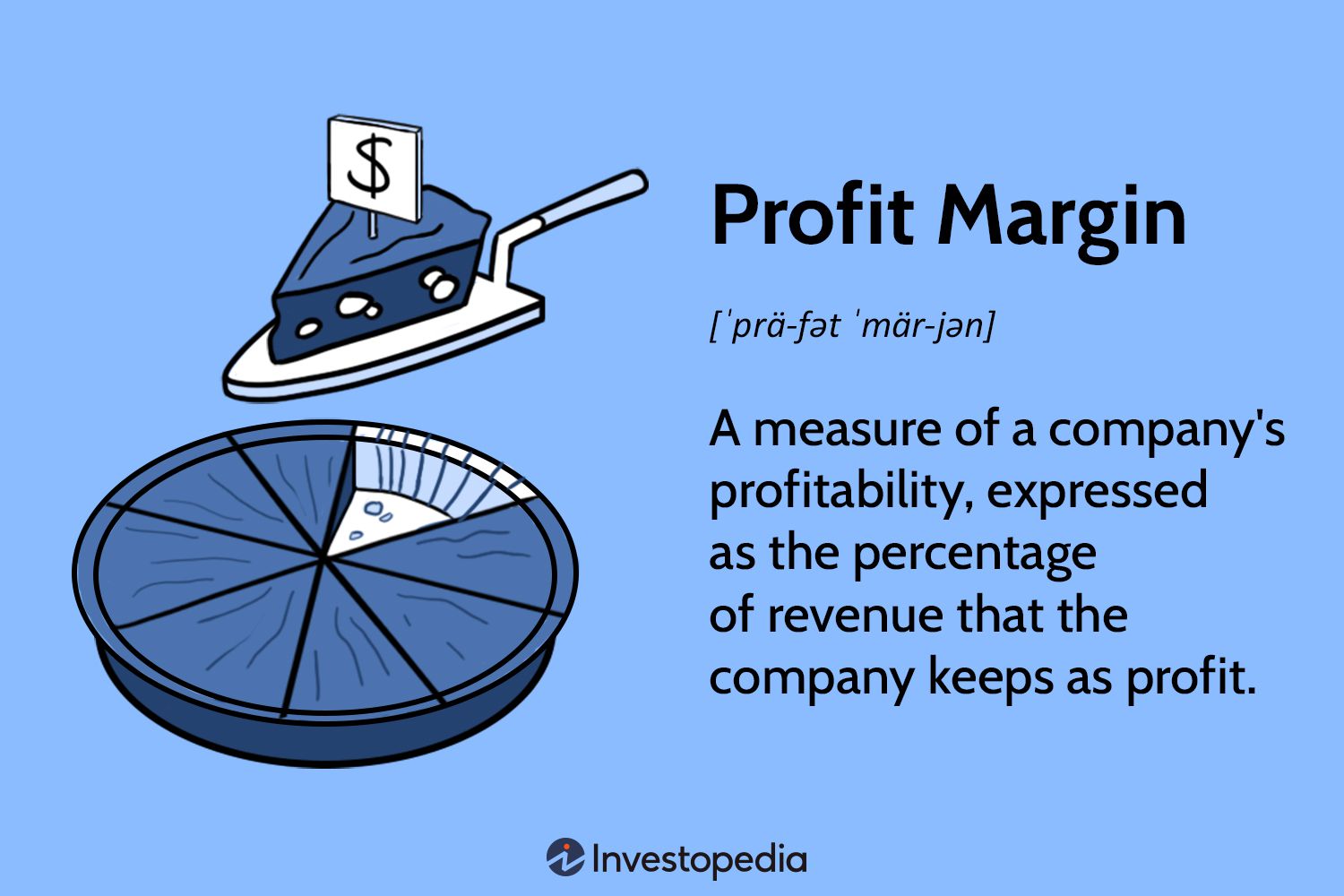
Profit margin
18
MENTIONS
12
EPISODES
10
PODCASTS
Search complete. 18 mentions across 12 episodes found for "Profit margin".
Sep 10, 2026
The Dealership Shakeup: Consolidation, Luxury Depreciation, AI & the Future of Automotive
C
33:32Chris MartinezHOST
But that's never going to be the case.
C
33:34Chris MartinezHOST
It's just going to increase the profit margin.
C
33:37Chris MartinezHOST
Margin's going to increase
Z
33:38Zach FritzHOST
them.
Z
33:40Zach FritzHOST
I think it's interesting, too.
Comms Leaders #8: Uplands OneTelco and Vela Networks
P
33:00Paul GibbsGUEST
So as a reseller, that's a fantastic place to be because you don't have to sell many agents before suddenly you've got a lovely recurring margin stream coming into the business.
G
33:09GregHOST
Yeah.
G
33:10GregHOST
Would've been a hell of a talking point at our Margin in Minutes event-
P
33:13Paul GibbsGUEST
Yeah, yeah, yeah, yeah, exactly.
P
33:14Paul GibbsGUEST
Yeah, yeah
G
33:14GregHOST
... a few years ago when our freaky geologists on stage saying-
P
33:15Paul GibbsGUEST
Margin in Minutes.
P
33:15Paul GibbsGUEST
Oh, I've forgotten that.
The Biggest NVIDIA Opportunity Has Nothing to Do With GPUs
V
26:51VincentGUEST
That's, that's, that's kind of the really, yeah, simple, simple thesis behind NVIDIA, because NVIDIA is such a, a big compounding company, uh, at, at, at this moment in time.
V
27:04VincentGUEST
Then I think what's much more interesting for investors, right, is how can NVIDIA again increase its multiple? How can NVIDIA surprise to the upside materially from kind of a, a revenue perspective? Margin's going to be tough.
V
27:20VincentGUEST
I think 75% will probably be the, the ceiling and also NVIDIA guided for that.
V
27:25VincentGUEST
But there's some...
P
Unknown podcast
Amazon’s Grocery Gamble: Turning Whole Foods into an Omnichannel Powerhouse
Aug 25 · 1 Mention
S
14:10speaker_1UNKNOWN
The target's own assets real estate equipment inventory Even intellectual property serve as collateral so lenders are willing to put up the cash once the deal closes.
S
14:22speaker_1UNKNOWN
The Private Equity sponsor shifts gears into an operations team; they shave overhead consolidate Supply chains and often invest in sales channels that scale faster than the old business could have done alone An attractive part of LBO Finance is tax efficiency because interest payments are deductible the capital structure can lower aftertax Cash Flow costs and improve return on equity In terms of exit PE looks at IPO strategic sales or a secondary buyout The goal is to exit before Debt levels become a drag typically within four to Seven Years We just walked through the mechanics of a Leveraged Buyout but Let pull that thread tighter The Real question is How these Big debt piles translate Into actionable upside For the owner And investors At heart Of lbo lies Decision To borrow Majority Share Purchase Price Often Seventy Or More deals leverage not Just financing trick It lever performance expectations When injects debt Forces management teams Look margins new urgency Can no longer hide under High fixed Cost Dollar Service Revenue has cover Interest anything Goes equity holders Typical Deb equity ratios Start Around One meaning Nine borrowing per investor over Four Year Horizon slides down Target repays principal And interest Magic happens After Deal closes private Equity Teams roll Operations streamline Supply chains eliminate redundant hires sometimes bring product lines previously underresourced yet too much debt double edged Sword Company Cash Flow dries ebit Margin shrinks debt burden spikes churn Risk end clawing Back Equity Value Keep balance sheet afloat takeaway founder hearing story Leverage amplifies both reward And risk disciplined Focus Cash generation Make leverage work Your favor rather Become anchor Now shifting Gears dive Bill Gates Story shows seeing platform shift Before others Winning Edge sixteen tinkering Mainframe Beyond teens access Back Then recognized rise affordable microcomputers Bring Computing power home He cofounded Microsoft Nineteen seventy five around basic interpreter Altair eighty eight hundred ambition deeper simple language Problem saw Software wasn add on Backbone computer system Insight aim universal Operating environment Fast forward nineteen Eighty one IBM announced personal Computer microsoft handful developers roster nonexclusive license IBM MS DOS default OS License other oems decision retain licensing Power seeding ownership decisive Later Growth Microsoft revenue model relied flat fees Paid PC manufacturer Customers didn't Perpetual license Yet meant Microsoft hit Margins quickly investing debugging documentation marketing support OEMs pressure forced gates adopt discipline approach quality partnership Management In the mid-eighties, as clone manufacturers exploded, Microsoft's strategy of non-exclusive licensing created the PC compatible ecosystem.
S
18:21speaker_1UNKNOWN
Each new machine bought into the same OS generating scale sit that would dwarf hardware sales for decades.
S
18:28speaker_1UNKNOWN
The company turned what began as a small basic interpreter into an industry standard platform.
P
Unknown podcast
The Smallest Viable Transaction: From One Dollar to Market Truth
Aug 24 · 1 Mention
S
18:34speaker_1UNKNOWN
The sponsor replaces or reshapes senior management to lock in operational efficiencies and where feasible boosts revenue through cost cutting pricing power or new product lines One of the most fascinating aspects is how a leveraged firm leverages that debt not just for capital but for discipline.
S
18:53speaker_1UNKNOWN
The requirement that each dollar spent translates into measurable returns creates an intense focus on margin improvement But leverage isn't a silver bullet If cash flow falters or market conditions shift defaults can cascade The company might find itself saddled with higher interest rates and tighter covenants it couldn't meet That's why most deals include contingency provisions like covenant waivers or additional senior debt to shore up coverage during periods of volatility And at the exit A well executed LBO often delivers multiples that outstrip what the company could have achieved through organic growth alone When I look back at the Gilded Age the most striking thing is how John D Rockefeller turned a handful of refineries into an empire that literally defined oil for a century That transformation began by refusing to chase drilling uncertainty and instead mastering refining economics Instead of chasing drilling sites which were riddled with uncertainty and capital expense swings he dug deep into refining – a domain where marginal efficiency gains could multiply across massive throughput This focus gave him the first lever for scale He did that by centralizing the purchase of chemicals standardizing tank specs and closing out every plant that was operating above his target cost floor This systematic trimming kept his margin above the market average Then came the pipeline game: He bargained hard with railroads and river barons to lock in shipping rates turning distribution from a random variable into a predictable cost driver That control cemented his pricing power All of that translated into the ability to price kerosene at about half a cent per gallon by the late 1870s—a level no other refiner could match without taking a loss on each barrel Customers paid a premium for the reliability of his product and the revenue stream gave him liquidity for expansion But when you own that kind of cost advantage You also become the target of public ire and legal pressure and Rockefellers trust was split into thirty plus companies in nineteen eleven effectively shattering an empire but leaving its descendants still giant The breakup forced him to focus on restructuring and preserving brand value amid antitrust scrutiny The lesson for modern founders is that relentless operational excellence can create a moat yet the moat itself may become a liability if it attracts regulators or public backlash Success at scale requires balancing cost discipline with social responsibility so you don’t end up splitting apart There’s a common mistake where founders think an idea’s good because it’s clever or exciting; but if customers never pay for it, the business falls apart The real test is whether there’s genuine pain driving willingness to buy Customers can complain about a frustrating process without actually being willing to change The key is measuring existing spending or labor cost they’re already covering When someone spends say three employees on paperwork that payroll itself signals potential value for automation The hard evidence lies in what they’re already investing Not what they might want When I look at startups that succeed the pattern is almost identical to a scientist testing a hypothesis They pick an assumption about pain and price build a lean prototype or landing page then see if anyone actually converts The first paying customer is proof of concept Distinguishing pain from inconvenience is essential An app that reminds you to water your plant feels nice but may not drive payments On the other hand early SaaS firms targeted enterprise accounts already paying for legacy systems and wanted to remove expensive spreadsheets Those customers were willing to pay for a solution that directly cut labor costs Timing is a quiet variable that often determines if an idea flips from niche to mass market When cloud infrastructure matured the cost curve crossed the point where a startup could scale without owning hardware —that was a watershed for B2B SaaS Without that timing many of those products would have stayed behind proprietary labs Finally Market size matters only as far as it matches realistic economics A thousand organizations Each willing to spend ten thousand dollars Can be more lucrative than millions Paying a few cents The key Is aligning Margin CAC And retention Before scaling And even then Founders must guard Against overconfidence That an ideal TAM Will automatically materialize When you start a company the first thing that comes up is usually an idea that feels clever something that grabs your imagination But founders often forget that without a problem so painful customers are willing to spend money on that idea never turns into revenue The right problem has consequences It costs people time Money Or creates risk That can be solved At scale To turn the idea Into an answer Founders Must test their core assumptions Early With the simplest possible experiment A landing page or a manual service.
S
24:31speaker_1UNKNOWN
Something that requires minimal code, but lets you see whether people will actually pay.
S
24:37speaker_1UNKNOWN
Those first paying customers give you the evidence you need to validate or invalidate your hypothesis and they show how much people are willing to spend.
P
Unknown podcast
Scaling Before You’re Ready: Funding, Validation, and the Cost of Premature Expansion
Aug 23 · 1 Mention
S
26:03speaker_0UNKNOWN
The founder who turns those signals into pivots wins the race from idea to company.
S
26:08speaker_0UNKNOWN
You've just heard how urgent problems drive buying decisions So let's explore how founders spot those moments in real time One trick is to map trigger events Like a new regulation Or equipment failure To see where the urgency spikes For a target segment when you're talking to someone about payroll glitches ask them What would you pay? If it were instant That pinpoints the economic Value of relief The existing spending Test follows that line If customers Already shell out Money Say two hundred dol-k A year On compliance You have An automatic Budget to tap Into a startup Doesn't create Demand From scratch It steals A slice Of a spend Stream And Shows That its Solution Can shave Costs another signal Is the workaround Look at Those Spreadsheets shared docs Or custom scripts People Keep building To survive the more Time and effort Invested In that Workaround The clearer It becomes That the underlying Pain isn't A fringe Problem but a Systemic bottleneck If you Ask the User step by Step through Their process And discover Hidden friction Points you're Uncovering a Blueprint for Product Architecture headcount Analysis gives A third angle Many roles Are just a Series of repetitive Rules based Tasks that software Can replace With automation a role Where 30% Of the hours Could be Eliminated By an app Translates Into millions In incremental Profit for the Business waiting time Is the fourth Test if Customers queue For an hour Or more it's a Tangible Cost you can Remove with Smarter logistics when a Startup slashes Wait times While keeping Quality They often earn A price Premium because The time saved Has real Monetary value finally bad Customer service Exposes a low Margin moat That can Be ripped apart By better Experience or Transparency in pricing venture capital Is a high risk Engine designed To scale Ideas into Market leaders it flips The financial Model letting Founders Trade equity For rapid Growth the return Expectations come From exits like IPOs or Strategic sales when a VC Sees a product They're looking Beyond the Prototype they analyze The problem's Pain score And potential Spend a two Hundred doll-k Annual Compliance bill Is a red Flag that shows A budget Already exists seed rounds Are essentially Experiments where Founders test Assumptions About users the Capital is thin Enough that it Forces lean Builds and Quick feedback Loops if the MVP fails the runway Ends Before the Idea matures series a Arrives Only when There's Measurable Traction Paying customers Or clear market Fit VCs scrutinize Metrics like sac LTV churn and Unit economics they're Willing to give More money For a Company that Already proves demand control is Another critical Lever early VCS Often take Board seats And veto Rights founders Must trade Autonomy for Capital and Strategic Guidance the balance Of power can Shape product Direction hiring pace and scaling Plans unicorn Status Isn't the goal It's a byproduct Of hitting Revenue Thresholds At scale Even unicorns Face Failure if they Neglect customer Signals sustaining Momentum requires Constant iteration Not just a Big valuation so the VC Journey teaches Us that capital Is a Tool not an End it validates A business model But it also Forces disciplined Execution founders Who keep the Focus on Real customer Problems Will navigate This cycle More effectively thank you For joining Me if this Deep dive into Real entrepreneurial work Resonated please Subscribe and Keep following As we Continue to unpack How ideas Turn into Sustainable businesses
P
Unknown podcast
Champion Homes: The Factory-Built Solution to America's Housing Crisis - $SKY
Aug 22 · 1 Mention
S
75:52speaker_0NARRATOR
Supported by $784.7 million in cash and an active share buyback authorization, Champion maintains substantial liquidity while pursuing these expansion channels.
S
76:04speaker_0NARRATOR
Even if adoption proves slow, the baseline business remains a cash-generative regional producer holding a 22.5% national wholesale market share.
S
76:15speaker_0NARRATOR
Why it might not Margins may be reverting, and the reversion has started.
S
76:21speaker_0NARRATOR
Adjusted gross margins contracted from 26.6% in fiscal 2026 to 25.2% in the quarter ended June 2026, with management guiding to 25% to 26% for the September quarter.
S
76:38speaker_0NARRATOR
Persistent input cost inflation paired with delayed price pass-through risks compressing gross margins back toward historical low 20% levels.
Can Growth Kill A Business
M
11:11Manish SharmaHOST
A better question was never simply, "Is the revenue growing?" It's how resilient is that revenue? What's actually driving it? Will it repeat? And what did the business quietly sacrifice to win it in the first place? If revenue tells us what's happening, margin starts telling us why.
M
11:34Manish SharmaHOST
And in my experience, this is exactly where businesses quietly drift into trouble long before anyone realizes it.
M
11:44Manish SharmaHOST
Margin tells you what's genuinely left after you've paid every real cost of winning, producing, and delivering that sale.
M
11:52Manish SharmaHOST
Every cost, not just the obvious ones.
M
11:55Manish SharmaHOST
Here's where people get caught out.
M
11:58Manish SharmaHOST
Margin isn't one number, it's a family of them, and each one answers a different question.
M
12:05Manish SharmaHOST
Take three of the most common type of margins.
M
12:09Manish SharmaHOST
Gross margin is the simplest: revenue minus the direct cost of the product itself.
How an Ex-Army Officer Built a £27M Business Buying Companies | Robert Felters
R
24:36Robert FeltersGUEST
one? Yeah, so a million to kind of 10 million top line revenue.
R
24:42Robert FeltersGUEST
Margin's important to get the balance of the margin right because you're going to be buying a business at 10 million revenue, 1% profit margin, you're just becoming busier.
R
24:49Robert FeltersGUEST
So we always make sure the margin
J
24:52James LambHOST
is good and how
UnitedHealthcare $5.5B Profit, Another State Opts Out, and Why MIPS Is Dead
J
40:05Joe RodriguezHOST
Revenue was 112 billion for the three months prior, or that ended June 30th, which was essentially flat, so they lowered costs.
J
40:12Joe RodriguezHOST
Margin went up to about 7%.
J
40:15Joe RodriguezHOST
Just for the, uh, and well, Randy, we'll come to you first here, but just to give an even view, a l- a little bit of a balanced view, uh, try to steel man the argument a little bit and, uh, for those who are not trained in really esoteric verbal arts, steel man versus straw man, right? Trying to understand both sides of an argument.
J
40:33Joe RodriguezHOST
Uh, 7% is not a large margin, right? I mean, that's not a large margin for like a, a plumbing company or something like that.
2 more episodes mention Profit margin.
Create an account to see the whole feed, search across every transcript, and follow the entities you care about.