postpartum psychosis
Ill healthWikipedia
350
MENTIONS
37
EPISODES
37
PODCASTS
Search complete. 350 mentions across 37 episodes found for "postpartum psychosis".
Oct 27, 2026

Devin StoneHOST
The defense's story is that the medical system failed Lindsay Clancy.
Devin StoneHOST
Her doctors missed bipolar disorder with postpartum psychosis, loaded her up on medications that made things worse, and ultimately triggered a psychotic break.
Devin StoneHOST
The Lindsay Clancy case has sparked national debate about motherhood, postpartum depression, and mental health care treatment.
Devin StoneHOST
But this case was never a whodunit.
10 MINS LATER
Devin StoneHOST
Patrick Clancy's testimony is key to understanding the events before, during, and after the killings.
Devin StoneHOST
But ultimately, this is a case about psychiatric evidence, and Patrick Clancy isn't a doctor.
Devin StoneHOST
But before we get into the psychiatric evidence, we need to talk about what postpartum psychosis actually is.
Devin StoneHOST
because it's different from what most people mean when they talk about postpartum depression.

Danielle BrunerHOST
You know that maternal mental health is obviously so dear and near to my heart, and I had the opportunity to speak with an incredible faith-filled couple today, Colby and Amanda Taylor.
Danielle BrunerHOST
And after the birth of their fourth child, Amanda experienced postpartum psychosis.
Danielle BrunerHOST
It's rare, but a severe mental health crisis that turned their world upside down.
Danielle BrunerHOST
Their journey included psychiatric hospitalization, fear, uncertainty, and ultimately a long road to healing and hope.
Danielle BrunerHOST
And today they openly share their story through their book, From Playgrounds to Psych Wards, to bring awareness to postpartum psychosis, encourage families who feel alone, and remind others that healing is possible.
Danielle BrunerHOST
Together, they're passionate about breaking the stigma surrounding maternal mental illness, equipping spouses and loved ones to know how to help, and pointing people toward hope in their darkest moments.
Danielle BrunerHOST
I just love them.
7 MINS LATER
Amanda TaylorGUEST
He drove me to a psychiatric hospital.

Margaux BaumgartenGUEST
So just kind of being on meds was the right thing to do.
Margaux BaumgartenGUEST
But I then after giving birth, I kind of realized that how well I went through postpartum psychosis and And I did witness something that wasn't real.
Margaux BaumgartenGUEST
That was a full body experience.
Margaux BaumgartenGUEST
And I was shocked by it.
Emily Lomenzo-WaszkowiczHOST
There are so many factors at play, mental health diagnosis or not.
Emily Lomenzo-WaszkowiczHOST
And I think something that's really not talked about enough is postpartum depression, but also intrusive thoughts.
Emily Lomenzo-WaszkowiczHOST
And like you experienced postpartum psychosis.
Emily Lomenzo-WaszkowiczHOST
And the thing that I think is so hard about it for women to share is they're afraid of what people are going to think, or that they're going to think that you can't take care of your baby, or they're just very afraid of what it might mean for how people see them or understand them.

speaker_3SOUNDBITE_SPEAKER
paralyzed in a wheelchair.
speaker_3SOUNDBITE_SPEAKER
The defense argues that Lindsay was suffering from postpartum psychosis.
speaker_3SOUNDBITE_SPEAKER
We will get into that.
speaker_3SOUNDBITE_SPEAKER
And that she wasn't receiving the help she needed.
58 MINS LATER
speaker_3SOUNDBITE_SPEAKER
In conclusion, Lindsay Clancy admitted she did it.
speaker_3SOUNDBITE_SPEAKER
There's no evidence her husband did it.
speaker_3SOUNDBITE_SPEAKER
She was never diagnosed with postpartum psychosis.
speaker_3SOUNDBITE_SPEAKER
She had plenty of resources.

speaker_1HOST
Absolutely.
speaker_1HOST
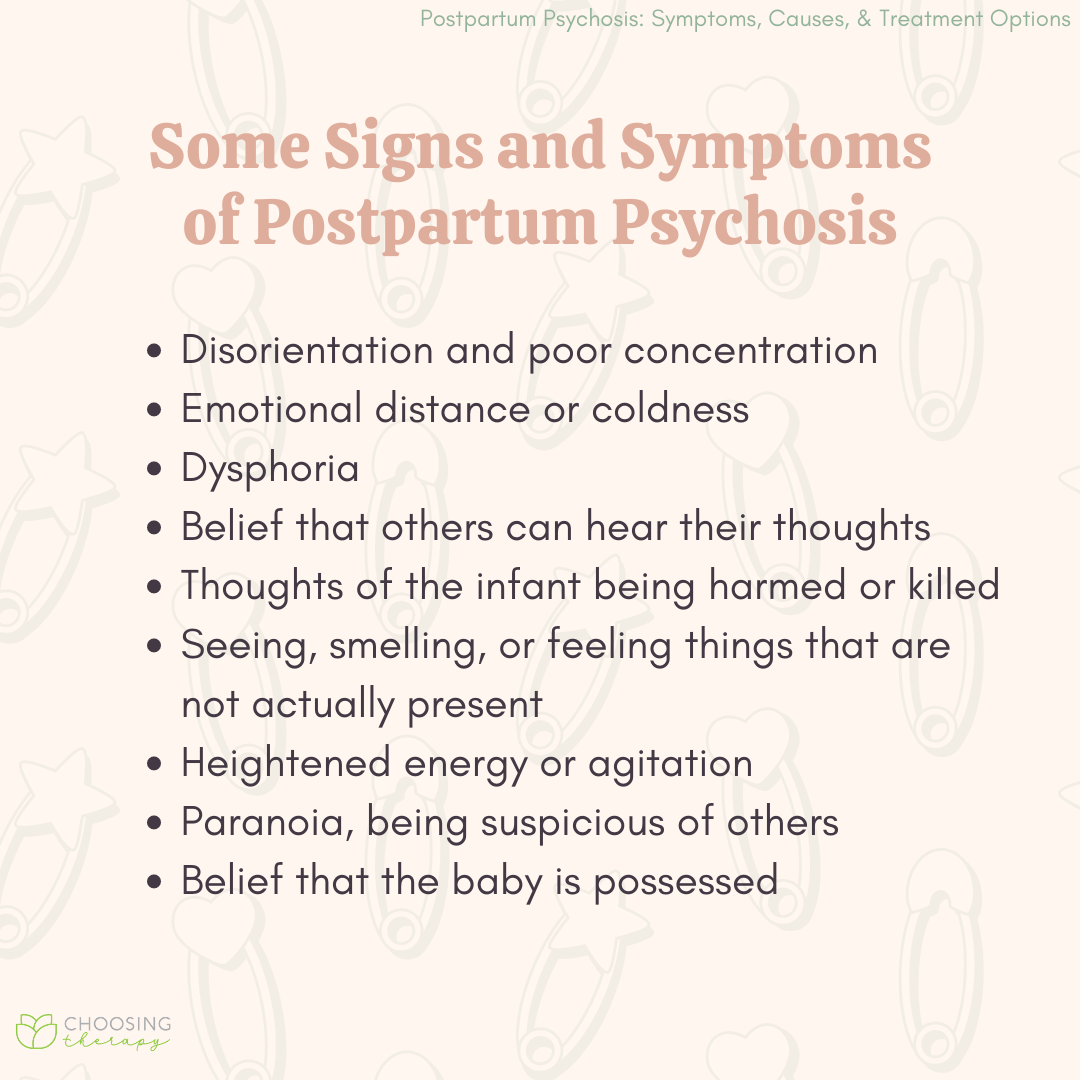
But the most severe manifestation, the one that solves the mystery of patient E in Medlock Holmes' conservatory, the one that requires immediate emergency psychiatric care, is postpartum psychosis, or PPP.
Manaan KarrayHOST
PPP is an acute severe affective psychosis.
Manaan KarrayHOST
It is rare, affecting about 0.1% to 0.2% of postpartum women, which translates to roughly 1 to 2 in 1,000 births.
Manaan KarrayHOST
It typically presents very rapidly within the first few days to weeks after delivery.
speaker_1HOST
Which is why collateral information from family members is absolutely imperative.
speaker_1HOST
The physician might only see the lucid window during a brief assessment.
Manaan KarrayHOST
Now, the text makes a very firm distinction between PPP, which is classified as an affective psychosis and is very often the first presentation of underlying bipolar disorder, and non-affective psychosis in the postpartum period, such as a relapse of pre-existing schizophrenia.

MaiaHOST
It's really f- fucking upsetting.
MaiaHOST
And basically, the, the general defense, like, thesis is that Lindsay Clancy was suffering from postpartum psychosis.
MaiaHOST
Her husband has been like, "Please don't come after Lindsay.
MaiaHOST
Please don't charge her.
MaiaHOST
...
MaiaHOST
this, like, very, very, like, actually common.
MaiaHOST
Postpartum psychosis is not very common, but postpartum as a concept is extremely, like, very common among recent mothers.
MaiaHOST
We're so much less willing to believe this, like, systemic issue, as per fucking usual, than the idea that, like-

Louise NewsonHOST
And then talk me through since that time then have you you've carried on antipsychotics and antidepressants?
Jade LloydGUEST
Yeah yeah so I was on the antipsychotics I'm still on the antidepressants today I was on the antipsychotics after the postpartum psychosis for about probably about two years and then I really wanted to come off of them because the side effects that I've had like is the I gained four stone and you gained four stone yeah which is
Louise NewsonHOST
very common actually with with the antipsychotics yeah and
Jade LloydGUEST
like because I just didn't feel full and I just kept on eating and I think because I was so depressed as well And they
Jade LloydGUEST
And there was a mum that had been there for almost a year.
Jade LloydGUEST
I think she was there over a year in the end.
Jade LloydGUEST
They tried everything with her postpartum psychosis and nothing was working.
Jade LloydGUEST
And then after coming, going back in, like throughout that time, I then since spoken to you and I went back in and I was thinking, why? I wonder whether they've actually talked about hormones.

Dani GiddensHOST
Welcome to the I Am One podcast.
Dani GiddensHOST
On today's episode, we're sitting down with Julia Alzoubaidi, a licensed psychologist on staff here at PSI, to talk about postpartum psychosis and the incredible work of PSI's Postpartum Psychosis Task Force.
Dani GiddensHOST
We'll cover what postpartum psychosis actually is, who's at higher risk, and why it might get missed in the exact moment an accurate read matters most.
Dani GiddensHOST
Julia also makes a case that stuck with me.
Dani GiddensHOST
Calling postpartum psychosis rare does real harm because our language shapes how seriously everyone, providers included, takes it.
Dani GiddensHOST
In fact, postpartum psychosis isn't rare.
Dani GiddensHOST
It happens more often than people think.
Dani GiddensHOST
It's an emergency requiring immediate provider attention.

Kail LowryHOST
It was about hollow bones and it's more of a conversation about PPP.
Kail LowryHOST
So while I was reading and finishing hollow bones, I learned about postpartum psychosis.
Kail LowryHOST
And it's just so interesting that the Lindsay Clancy trial all was happening at the same time that this Jodi Picoult was getting ready to release this novel and in the book there was a librarian helping this woman out in the book.
Kail LowryHOST
I don't want to give too many too many things away and there he talks about the likelihood of getting PPP and like people who had predispositions or had bipolar disorder or the PPP was triggered by an underlying mental illness.
Kail LowryHOST
So bipolar disorder or something else prior to getting pregnant and having a baby are usually the ones that are more impacted.
Kail LowryHOST
Um, buy it.
Kail LowryHOST
And then there was another part of the book that really opened my eyes and it was something along the lines of people that have postpartum psychosis.
Kail LowryHOST
These are called filicide.

Ryan GormanHOST
The lone holdout juror in the Lindsay Clancy murder trial sat down with Kaylee McInerney on Fox News and told his side of the story.
Ryan GormanHOST
So he was the only juror who didn't wanna find her not criminally responsible for killing her three children due to postpartum psychosis.
Ryan GormanHOST
The judge declared a mistrial, and then he was accused by the other jurors of not following the judge's instructions on reasonable doubt.
Ryan GormanHOST
Here's what he had to say about that.
Ryan GormanHOST
Not criminally responsible-
Dana McKayHOST
Yeah, yeah
Ryan GormanHOST
... because of the postpartum psychosis.
Dana McKayHOST
Yeah.
27 more episodes mention postpartum psychosis.
Create an account to see the whole feed, search across every transcript, and follow the entities you care about.