Post-exposure prophylaxis
14
MENTIONS
4
EPISODES
4
PODCASTS
Search complete. 14 mentions across 4 episodes found for "Post-exposure prophylaxis".
Oct 29, 2026

John FaragonGUEST
So we've covered so many different topics, HIV care, new FDA approvals around treatment and prevention.
John FaragonGUEST
We've discussed PrEP and PEP, STI management and prevention, especially with DoxyPep.
John FaragonGUEST
That was a new thing that we kind of covered over the last couple of years.
John FaragonGUEST
Behavioral health, DHHS guideline changes.
John FaragonGUEST
I think we spent dozens of episodes discussing prevention strategies, including oral PrEP, even the on-demand PrEP that we've talked about before, multiple studies on that.
John FaragonGUEST
Injectable PrEP I think has made a big difference in even the updated guidelines for HIV prevention for PrEP.
John FaragonGUEST
There was also in the last year we had we had PEP changes to the post-exposure prophylaxis changes for both both occupation or non-occupational guidelines change.
John FaragonGUEST
And then I think the old the whole concept of PEP and pocket approaches And obviously other ongoing prevention strategies and expanding access to care, I think, has always been an important piece that we've tried to cover.

speaker_0NARRATOR
The good news is you have some time after animal exposure, says Lorraine Washer, MD, who consulted with Loring following his encounter.
speaker_0NARRATOR
Quote, in most cases, rabies post-exposure prophylaxis, known as PEP, is a medical urgency, not an emergency.
speaker_0NARRATOR
You can normally wait 48 to 72 hours to determine whether an animal is available for testing or observation, end quote.
speaker_0NARRATOR
Unfortunately, you can't always rely on an animal's behavior to tell whether it's infected with rabies.
speaker_0NARRATOR
So what do you do if you've been bitten by an animal? If you were bitten, wash the wound with soap and water and seek medical care.
speaker_0NARRATOR
Dr. Washer says that depending on the severity and the type of bite, a visit to urgent care or an emergency department may be required for a tetanus shot, and depending on rabies reports in your area, rabies immunoglobulin, and the first dose of the rabies vaccine.
speaker_0NARRATOR
Rabies PEP includes four total visits for vaccine doses.
speaker_0NARRATOR
Michigan law requires that animal bites are immediately reported to the local health department.

Ran ChenHOST
Remember that testing the source patient requires their consent.
Ran ChenHOST
Based on the evaluation, you will be counseled on and offered post-exposure prophylaxis or PEP.
Ran ChenHOST
For the exam, it is critical to know that PEP is extremely time-sensitive.
Ran ChenHOST
To be effective against HIV, it must be started as soon as possible, ideally within hours and no later than seventy-two hours after the exposure.

Elizabeth ShermanGUEST
I just was going to add that I want to talk about reimbursement, and I think it's important to talk about reimbursement.
Elizabeth ShermanGUEST
But before we move on to the reimbursement discussion, that we talk about pharmacist provision of PrEP, but also pharmacist provision of PEP.
Elizabeth ShermanGUEST
And there are many states where pharmacists also can furnish post-exposure prophylaxis for
MonicaHOST
HIV as well.
MonicaHOST
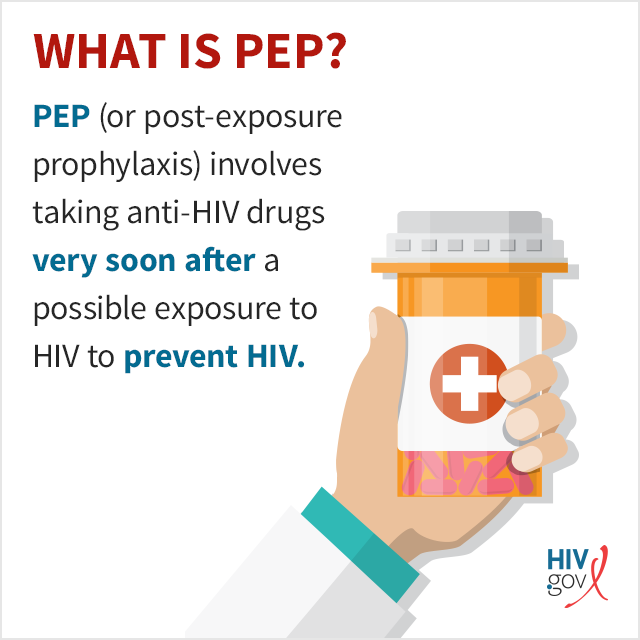
And Liz, can you differentiate for our audience who are less familiar with PrEP versus PEP, just in a little nutshell?
Elizabeth ShermanGUEST
PrEP is antiretrovirals taken prior to and during the time of exposure.
Elizabeth ShermanGUEST
Post-exposure prophylaxis are antiretrovirals taken by uninfected people following an exposure.
Elizabeth ShermanGUEST
So for occupational exposures and for non-occupational exposures like sexual exposures or injection drug