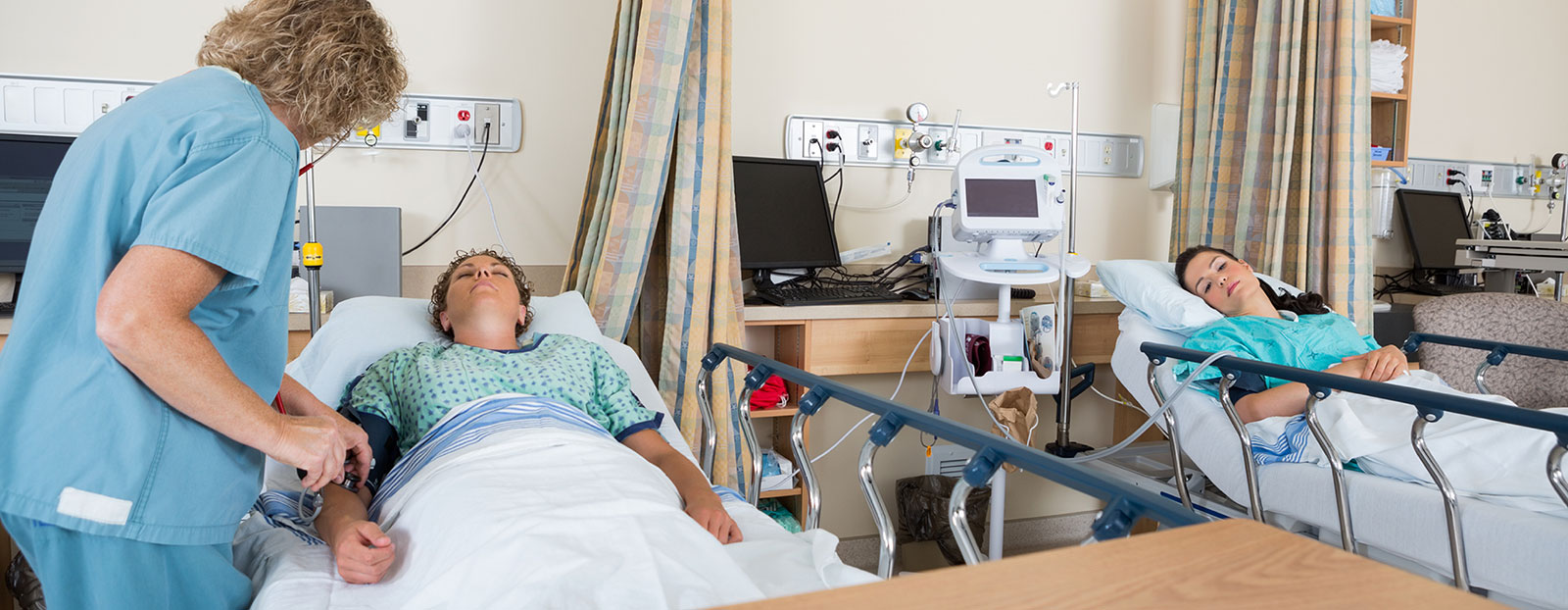
Post-anesthesia care unit
82
MENTIONS
35
EPISODES
32
PODCASTS
Search complete. 82 mentions across 35 episodes found for "Post-anesthesia care unit".
Nov 4, 2026

James HuntGUEST
And we've talked about GI stuff, the reflux and how obesity relates to that.
James HuntGUEST
So you referenced talking about how our loved ones respond to the anesthetics and thereby perhaps are there different anesthetic medications that we would employ in people with Down syndrome as well as how they respond afterwards and the things we watch for in the PACU or the post-operative the recovery room space, the last part of that perioperative space, and even after they go home.
James HuntGUEST
And so let me touch on those.
James HuntGUEST
And it turns out there's five of those too.
18 MINS LATER
James HuntGUEST
That risk of emergency delirium, that risk of nausea and vomiting, that risk of heart rate issues, all of that stuff is still there, whether they're 30 or 50 or 70.
James HuntGUEST
So it's reasonable to assume that the stuff about pain still applies.
James HuntGUEST
So in those scenarios, and again, it's important to discuss with the anesthesia provider beforehand because they'll know what tools are or have some inkling about what tools they would like to use, and if it means communicating with the PACU staff, the nursing staff in the recovery room, about use this tool.
James HuntGUEST
I know this is an adult, but use this tool and call me if this happens kind of thing.

speaker_13SOUNDBITE_SPEAKER
I'm a pediatric nurse.
speaker_13SOUNDBITE_SPEAKER
I'm a PACU nurse.
speaker_16SOUNDBITE_SPEAKER
I am a pediatric ICU nurse.
speaker_13SOUNDBITE_SPEAKER
And I'm voting for Aaron Ford for governor.
speaker_19SOUNDBITE_SPEAKER
I'm a pediatric nurse.
speaker_19SOUNDBITE_SPEAKER
I'm a PACU nurse.
speaker_21SOUNDBITE_SPEAKER
I am a pediatric ICU nurse.
speaker_19SOUNDBITE_SPEAKER
And I'm voting for Aaron Ford for governor.

Natalie KoonsHOST
So this is identifying unmet needs from both personal and professional experiences in various clinical settings.
Natalie KoonsHOST
say, preoperative clinic immediately before surgery, intraoperatively PACU in ICU, clarifying that need and the problem with research and the data to back up those problems.
Natalie KoonsHOST
So these are all things that we can observe as residents in the operating room as we see our patients in the preoperative area, intraoperatively asking questions like, why do we do this type of monitoring? Yeah.
Natalie KoonsHOST
Our module two is all about needs screening and designing solutions for the anesthesiologist.
6 MINS LATER
Donald KeatingGUEST
But if you really lock in on that solution too early, you can kind of miss the real need that's underneath it.
Donald KeatingGUEST
And so it really starts with observation.
Donald KeatingGUEST
One of the things we talk about is in anesthesia, we're in a great position for this because we see the entire perioperative journey from pre-op to the OR to PACU and the ICU and all the handoffs that happen in between all of that.
Donald KeatingGUEST
And often the best needs can be hiding in plain sight.

Rob CavagnolGUEST
I mean, we're doing total joints and some of those patients are going home at the end of the day.
Rob CavagnolGUEST
Same day, you know, therapy, seeing them and PACU and yeah, good to go.
Rob CavagnolGUEST
And we're going to send those patients home.
Rob CavagnolGUEST
I think bariatric surgery is moving in that direction.

Jenny RudolphHOST
So I'm a newly appointed assistant professor at the Boston University School of Public Health.
Jenny RudolphHOST
And I'm offered the opportunity to be part of a grant looking at handovers from the post-anesthesia care unit to the ICU or from the OR to the PACU.
Jenny RudolphHOST
And communication in healthcare context is my shtick.
Jenny RudolphHOST
The person who's offering me this opportunity is a beloved mentor and somebody who's really, really helped me with my career so far.

speaker_1HOST
Precisely.
speaker_1HOST
If the anesthesiologist is running wide-open IV fluids, say, empirically bolusing 1.5 or 2 liters during a short 30-minute hemorrhoidectomy, the bladder rapidly fills and over-distends while the patient is recovering in the PACU.
Allen KamravaHOST
And then they can't pee.
speaker_1HOST
The over-distended detresor muscle completely loses its mechanical advantage and cannot overcome the spastic contracted urethral sphincter.

Beth WilkesGUEST
And then postoperative complications.
Beth WilkesGUEST
Are they having respiratory complications in the PACU area?
Daniel KingHOST
And as an educator, I mean, I think back to my time as a learner and certainly learned a lot about tobacco and nicotine.
Daniel KingHOST
Nobody really ever talked to us about cannabis and about vaping in particular.

PatHOST
So I'm trained to do anesthetics, scrub, which is assist the surgeon in surgery, or recovery when you recover from an anesthetic.
PatHOST
Or some people call it PACU, which is post-anesthetic care unit.
PatHOST
I've not had PACU before.
PatHOST
Yes.
PatHOST
So I'm trained to do all three, but I specialize in anesthetics where I keep you stable while you're asleep.

Sharon JohnsonGUEST
That way, the hospitalist that's taking on the care of the patient and the house supervisor of the building can know we've got this incoming transfer that needs a bed right now.
Sharon JohnsonGUEST
So I need to place them over my patients waiting in the ED or my PACU patients that are coming out.
Sharon JohnsonGUEST
It's important to look at all people needing beds.
Sharon JohnsonGUEST
So sometimes we get very focused on just our emergency department because everybody needs to relieve their EDs.
Sharon JohnsonGUEST
Give patients discharge so patients can come in.
Sharon JohnsonGUEST
And then what are those barriers? It starts at the inpatient unit, at the discharge piece of an inpatient unit.
Sharon JohnsonGUEST
You cannot do anything with the emergency departments, the PACUs, the directed myths until you have patients discharged.
Sharon JohnsonGUEST
You would be amazed at the things that you learn when you start having those open conversations and bringing people into a room and saying, okay, tell us what the barriers are.
25 more episodes mention Post-anesthesia care unit.
Create an account to see the whole feed, search across every transcript, and follow the entities you care about.