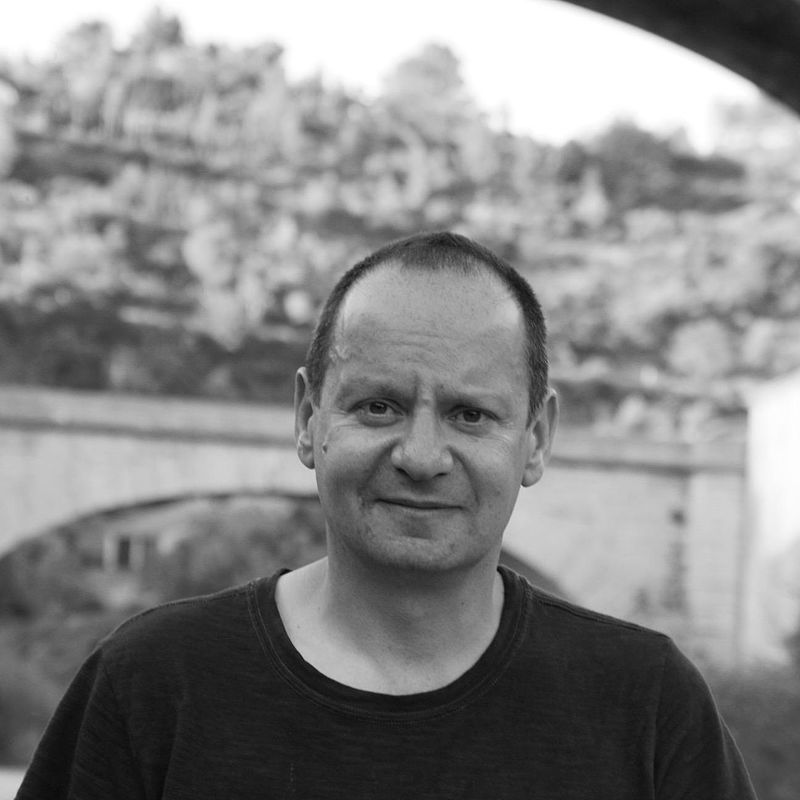
Philippe Sands
British-French writer and lawyerWikipedia
27
MENTIONS
12
EPISODES
12
PODCASTS
Search complete. 27 mentions across 12 episodes found for "Philippe Sands".
Nov 20, 2026

Amy GoodmanHOST
We're joined now by two guests.
Amy GoodmanHOST
Philippe Sands served on the Gambia's legal team.
Amy GoodmanHOST
His piece in The New York Times today is headlined, Can a country be guilty of genocide? Finally, the answer is yes.
Amy GoodmanHOST
Philip Sands is a professor of law at University College London and a visiting professor at Harvard Law School.
10 MINS LATER
Philippe SandsGUEST
So don't expect any action until 2030 or 2031.
Amy GoodmanHOST
Finally, if you could talk about the U.S. and the China response to this decision.
Amy GoodmanHOST
Philippe Sands.
Philippe SandsGUEST
I mean, the initial U.S. response, the State Department put out a perfectly reasonable statement saying that they were going to study the judgment and then consider what their reaction is to it.

Deborah PardesHOST
But the majority of the judges ruled yesterday to lower that standard in a way that could make it easier to apply to the case of Gaza.
Deborah PardesHOST
The six dissenting judges criticized the decision, saying, "...the judgment not only fails to convince, but also ignores the court's previously stated principle that it will not depart from settled jurisprudence unless there are very particular reasons for doing so." Philippe Sands is one of the lawyers representing Myanmar's Rohingya Muslims.
Deborah PardesHOST
He defended the majority decision in an interview with BBC Radio yesterday and said it leaves the door open for the case against Israel.
Philippe SandsSOUNDBITE_SPEAKER
It doesn't mean that the International Court of Justice will find that there was a genocide in Gaza.

Amy GoodmanHOST
We're joined now by two guests.
Amy GoodmanHOST
Philippe Sands served on the Gambia's legal team.
Amy GoodmanHOST
His piece in The New York Times today is headlined, Can a Country Be Guilty of Genocide? Finally, the answer is yes.
Amy GoodmanHOST
Philip Sands is a professor of law at University College London and a visiting professor at Harvard Law School.
Mong ZarniGUEST
And they're under military occupation.
Mong ZarniGUEST
And then you've got another population of diaspora in malaysia uh about a hundred thousand they're subject to all kinds of hate mobilization by uh malaysian groups and so that you know when we talk about rohingya we need to look at like the three different populations that have survived and and suffer all kinds of hardships and repression in diaspora refugee camps and still inside Myanmar.
Amy GoodmanHOST
I want to turn to Philippe Sands, who is on the Gambia's legal defense team at the International Court of Justice.
Amy GoodmanHOST
First of all, Philippe, why the Gambia? Why did they bring this case? And number two, talk about the significance, again, of this being the first country that has been convicted of genocide and what that ultimately means.

Amy GoodmanHOST
We're joined now by two guests.
Amy GoodmanHOST
Philippe Sands served on the Gambia's legal team.
Amy GoodmanHOST
His piece in The New York Times today is headlined, Can a country be guilty of genocide? Finally, the answer is yes.
Amy GoodmanHOST
Philip Sands is a professor of law at University College London and a visiting professor at Harvard Law School.
Mong ZarniGUEST
They are trapped in these refugee camps in Cox's Bazar.
Mong ZarniGUEST
Inside Myanmar, about half a million Rohingyas are living under military occupation, not of not the Myanmar military but another anti-Muslim anti-Rohingya Buddhist racist group called Arakan Army representing Buddhist Rakhine in the region of Rakhine state which is shared by both Rohingya predominantly Muslims and Rakhine ethnic group largely Buddhist and they you know they're under military occupation and then you've got another population of diaspora in malaysia uh about a hundred thousand they're subject to all kinds of hate mobilization by uh the malaysian groups and so that you know when we talk about rohingya we need to look at like the three different populations that have survived and and uh suffer all kinds of hardships and uh you know repression in diaspora refugee camps and still inside Myanmar.
Amy GoodmanHOST
I want to turn to Philippe Sands, who is on the Gambia's legal defense team at the International Court of Justice.
Amy GoodmanHOST
First of all, Philippe, why the Gambia? Why did they bring this case? And number two, talk about the significance, again, of this being the first country that has been convicted of genocide and what that ultimately means.

Amy GoodmanHOST
We're joined now by two guests.
Amy GoodmanHOST
Philippe Sands served on the Gambia's legal team.
Amy GoodmanHOST
His piece in The New York Times today is headlined, Can a country be guilty of genocide? Finally, the answer is yes.
Amy GoodmanHOST
Philip Sands is a professor of law at University College London and a visiting professor at Harvard Law School.
10 MINS LATER
Philippe SandsGUEST
So don't expect any action until 2030 or 2031.
Amy GoodmanHOST
Finally, if you could talk about the U.S. and the China response to this decision.
Amy GoodmanHOST
Philippe Sands.
Philippe SandsGUEST
I mean, the initial U.S. response, the State Department put out a perfectly reasonable statement saying that they were going to study the judgment and then consider what their reaction is to it.

Susan NeimanGUEST
Well, I think you summarized, you just summarized my argument very well because people have asked why all the focus on Gaza? There are other crimes in the world.
Susan NeimanGUEST
By the way, countryman Philippe Sands just gave a wonderful speech in Germany last month in which he's an international human rights lawyer and he's written very powerfully about about his own family history, lost many people in the Holocaust.
Susan NeimanGUEST
He said, you know, there's too much time being wasted on whether it's called a genocide or whether it's called a crime against humanity.
Susan NeimanGUEST
You know, let's just agree that it's a crime.

Jonathan GreenblattGUEST
But again, for some reason, Hasan Piker could almost say crazy things about Gaza or Israel, and they're just unchallenged.
Noam DwormanHOST
Well, I don't want to get bogged down on this, but I will also say Ezra Klein had a guy on called, I think, Philippe Sands, is that his name? Shlomo Sands? Philippe, I think that he's like the other...
Noam DwormanHOST
genocide expert.
Noam DwormanHOST
If you can't get Bartov, you call Fleet Sands.

Kim McAllisterHOST
Yeah.
Wolfgang KaleckGUEST
People like the lawyer and author Philip Sands, who's strongly demanding to include the crime of ecocide into the statute of the International Criminal Court and of course in national statutes.
Wolfgang KaleckGUEST
And there are a lot of provisions in all our criminal statutes to investigate and also punish.
Wolfgang KaleckGUEST
in criminal trials, but also make companies paying reparations if they pollute the environment.

Evan GershkovichGUEST
But when you're inside, you get to see the various kinds of characters that staff the place, which I think is quite fascinating when we start thinking about.
Evan GershkovichGUEST
And Philippe Sands, who will join us, will, I think, speak better to this.
Evan GershkovichGUEST
But when we start assigning responsibility for when a system commits the sorts of crimes that the They understood everything that they were doing.
Evan GershkovichGUEST
You know, they kind of enjoyed being the evil guy.
5 MINS LATER
Nahlah AyedHOST
There are international issues seeded in the Russian experience of Evan Gershkovich.
Nahlah AyedHOST
So for the second half of the Penn Canada Graham Gibson Talk, we were joined by two other guests.
Nahlah AyedHOST
Philippe Sands is an expert in international law.
Nahlah AyedHOST
His many books include 38 Londres Street, On Impunity, Pinochet in England, and A Nazi in Patagonia.

Donald TrumpSOUNDBITE_SPEAKER
in this to
Ken FergusonHOST
Starmer's part, because Starmer had been so connected with all the other human rights lawyers, you know, Philip Sands and Lord Harmer, etc.
Ken FergusonHOST
And they had had previous contacts with the Mauritian government as well.
Ken FergusonHOST
I thought there was a personal element in that I thought once the prime minister changed and Stalin was replaced, the new prime minister would not continue in the same kind of way.
2 more episodes mention Philippe Sands.
Create an account to see the whole feed, search across every transcript, and follow the entities you care about.