Peat
71
MENTIONS
35
EPISODES
34
PODCASTS
Search complete. 71 mentions across 35 episodes found for "Peat".
Oct 28, 2026

speaker_3UNKNOWN
or dams formed by vegetation.
speaker_3UNKNOWN
Peat lakes are a form of organic lake.
Benjamin BosterHOST
They form where a buildup of partly decomposed plant material in a wet environment leaves a vegetated surface below the water table for a sustained period of time.
Benjamin BosterHOST
They are often low in nutrients and mildly acidic,

speaker_0HOST
The water retreated millennia ago, but it left behind this thick layer of peat that essentially vacuum sealed the mud.
speaker_1HOST
It's an archaeologist's dream, honestly.
speaker_1HOST
Peat preserves everything.
speaker_0HOST
And digging there, they found these tiny hoof prints alongside the fossilized bones of wild pony-sized horses.
speaker_0HOST
But, I mean, surely finding animal bones near an old lake doesn't automatically mean human hunters took them down, right? Couldn't this just be the site of a natural die-off where opportunistic scavengers moved in?

Jerry EllisHOST
And especially when, you know, we're talking about Borneo and it's the third largest island in the world in the middle of the tropics, it's rainforest.
Jerry EllisHOST
Because you think about this being a pristine rainforest, like how is it catching on fire? Maybe you could explain the dynamics of what we're talking about here, the landscape and And then after that, we could talk a little bit about the structure of what lies under that rainforest and why peat is especially dangerous in this situation.
Susan CheyneGUEST
Peat's actually relatively common in non-tropical places.
Susan CheyneGUEST
Europe has a lot of peat.
Susan CheyneGUEST
Where I'm from in Scotland, we have a lot of peat.
Susan CheyneGUEST
Those who drink whiskey might be familiar with that.
Susan CheyneGUEST
Peat gives the very kind of, well, we call it a peaty taste in the whiskey because of the water.
Susan CheyneGUEST
And traditionally, in Scotland and other places, it was dried out and used as fuel to keep the houses warm in the winter.

speaker_0NARRATOR
And this particular moraine has been sitting on the shore of the Feldsee for 10,000 years, undisturbed, a monument to the work that ice can do.
speaker_0NARRATOR
Nearby the Feldseemoor, a bog formed when a terminal moraine from a smaller glacier dammed water into a shallow basin that slowly filled with peat.
speaker_0NARRATOR
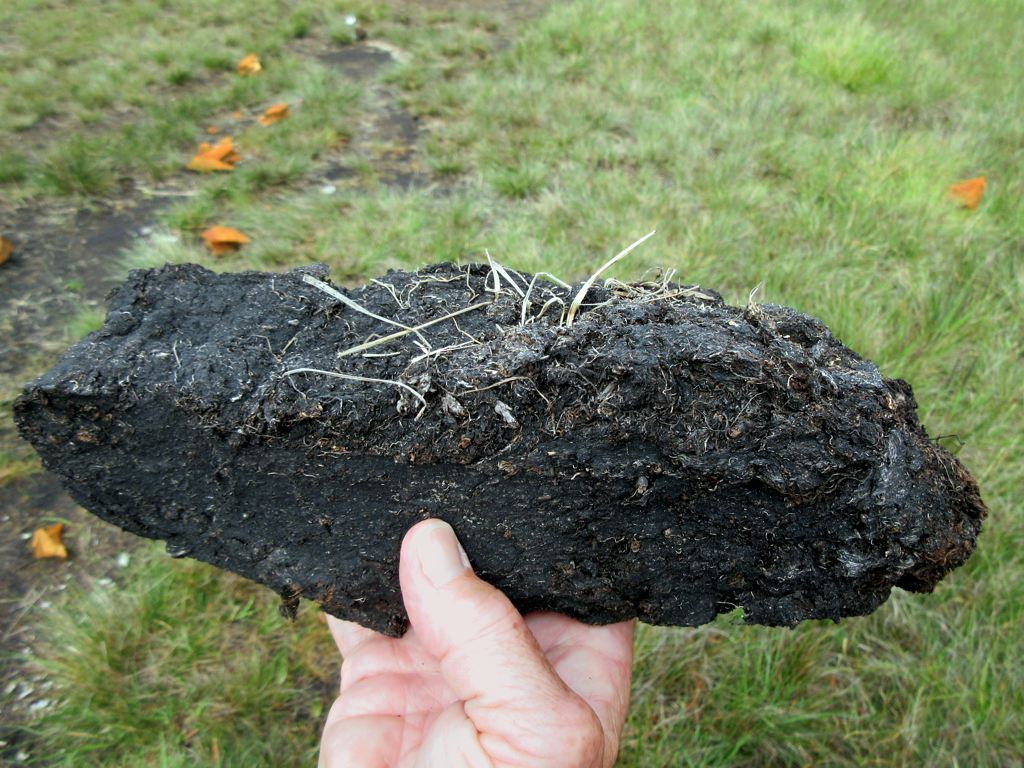
Peat is the partially decomposed remains of moss and other plants that accumulate in waterlogged conditions, where the lack of oxygen prevents complete decay.
speaker_0NARRATOR
The process is slow.
speaker_0NARRATOR
measured in millimetres per century, and the Feldseemoor has been building its peat deposit since the ice retreated layer upon layer of dead moss, compressing under its own weight into a thick, spongy mat that holds water like a natural reservoir.

speaker_0NARRATOR
In our last episode, we looked at the rights that allowed peasants to gather wood from the Lord's woodland, and at the many other things they burned when wood was scarce.
speaker_0NARRATOR
Peat, turf, gorse, bracken, heather, straw, and even dried dung.
speaker_0NARRATOR
Tonight, let us think a little more about what all that fuel meant in a peasant household.
speaker_0NARRATOR
Different fuels burn in different ways, and medieval people understood this well.
speaker_0NARRATOR
Softer, faster-burning woods were useful for getting a fire going or for a quick, hot blaze for cooking.
speaker_0NARRATOR
Brushwood and small branches were tied into bundles called faggots, which were ideal for heating bread ovens, since they burned fiercely and quickly.
speaker_0NARRATOR
Peat gave a low, steady, smouldering heat that was perfect for keeping a fire alive overnight, but it produced a lot of smoke and a distinctive smell.
speaker_0NARRATOR
Straw and bracken flared up and burned away almost at once, and were used mainly for kindling.
speaker_0NARRATOR
In the fens, on moorland, and in parts of the north and west, peat or turf was cut from the ground and dried for fuel.
speaker_0NARRATOR
The right to cut turf was called terbury, and like a stover's, it was a carefully guarded custom.
speaker_0NARRATOR
Peat burned slowly and steadily with a low heat and a distinctive smell, and it was ideal for keeping a fire going through a long night.
speaker_0NARRATOR
In some parts of England, such as Derbyshire in the northeast, coal was dug from shallow pits and burnt even in medieval times.
speaker_0NARRATOR
Elsewhere, people gathered gorse, also known as furze, bracken, broom, heather, and the stalks left over from crops such as beans.

IrmgardHOST
The cause is the ground beneath them.
IrmgardHOST
Around 40% of Cambridgeshire sits on a peat on a peat and more than 1,100 miles of the county's roads are built on it.
IrmgardHOST
Peat moves, it shrinks in dry weather and swells in wet, so the roads on top of it are more likely to crack, sink and buckle.
IrmgardHOST
It also makes them expensive to look after.
IrmgardHOST
Repairing a road on peat is more difficult.

Merritt TuretskyGUEST
I hope you will march down to your local home store and ask questions.
Merritt TuretskyGUEST
or demand peat-free products.
Merritt TuretskyGUEST
Peat belongs in bogs, not in bags shipped around the world.
Merritt TuretskyGUEST
Dr. Turetsky, thank you so much for your time.
Merritt TuretskyGUEST
Thank you, Bob.

speaker_2NARRATOR
I pushed on.
speaker_2NARRATOR
Peat has a give to it, a slow squeeze, and stone is stone, and you know both through the handle before you've thought about them.
speaker_2NARRATOR
at two feet down it struck something that was neither it didn't ring it didn't sink either it pushed back firm and a little yielding the way a boot sole does when you press a thumb into it i held the rod still then i drew it up slowly because i was already afraid of what i'd feel if it caught The tip came out of the water, brown and dripping.
speaker_2NARRATOR
I brought it to my face before I could talk myself out of it.

John TassoniGUEST
The old Smithfield Pete project.
Gene ValicentiHOST
A P-E-T, like P-E-A-T, Pete? P-E-A-T.
Gene ValicentiHOST
Like Pete Moss.
Gene ValicentiHOST
Correct.
25 more episodes mention Peat.
Create an account to see the whole feed, search across every transcript, and follow the entities you care about.