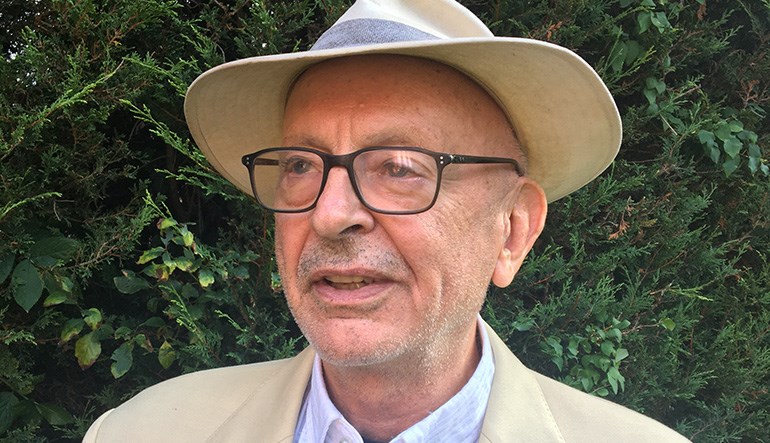
Paul Willis
British social scientistWikipedia
5
MENTIONS
5
EPISODES
5
PODCASTS
Search complete. 5 mentions across 5 episodes found for "Paul Willis".
Oct 18, 2026

David Shuang SongGUEST
But I came into grad school really inspired by the sociology of education that in particular took ethnographic approaches to the study of marginalized communities and their relationship to the formal education system.
David Shuang SongGUEST
So to very briefly do some name dropping in the academic world, I was really inspired by these old school anthropologists and sociologists like John Ogbu, Paul Willis, Jay McLeod, Julie Betty, who looked at immigrant communities, working class communities, women and girls in marginalized or working class communities, and came up with and pursued a lot of generative questions about identity, social practices, marginalized communities, and the school system.
David Shuang SongGUEST
And it was back in, I'm thinking this through now, it was back in spring 2017 that I began trying to articulate my own research as a young PhD student.
David Shuang SongGUEST
And of course, I was in the San Francisco Bay Area at the time.

David Shuang SongGUEST
But I came into grad school really inspired by the sociology of education that in particular took ethnographic approaches to the study of marginalized communities and their relationship to the formal education system.
David Shuang SongGUEST
So, uh, to very briefly drop-- to do some name-dropping in a- in the academic world, you know, I was really inspired by these old school anthropologists and sociologists like John Ogbu, Paul Willis, Jay MacLeod, uh, Julie Betty, who looked at immigrant communities, working class communities, uh, women and girls in marginalized or working class communities, and ca- came up with and pursued a lot of generative questions about identity, social practices, marginalized communities, and the school system.
David Shuang SongGUEST
And it was back in, I'm thinking this through now, it was back in spring 2017 that I began trying to articulate my own research, uh, as a young PhD student.
David Shuang SongGUEST
And of course, I was in the San Francisco Bay Area at the time, and kind of running out of ideas in some ways or just eager to start something, I hit on the idea of studying, and this is not quite directly related to multiracial Mandarin, but I hit on the idea of studying weekend Chinese language schools in San Francisco's Chinatown as well as in, uh, the other Chinese diasporic communities in the San Francisco Bay Area.

David Shuang SongGUEST
But I came into grad school really inspired by the sociology of education that in particular took ethnographic approaches to the study of marginalized communities and their relationship to the formal education system.
David Shuang SongGUEST
So, uh, to very briefly dro- to do some name-dropping, in a- in the academic world, you know, I was really inspired by these old school anthropologists and sociologists like John Ogbu, Paul Willis, Jay MacLeod, uh, Julie Betty, who looked at immigrant communities, working class communities, uh, women and girls in marginalized or working class communities, and ca- came up with and pursued a lot of generative questions about identity, social practices, marginalized communities, and the school system.
David Shuang SongGUEST
And it was back in, I'm thinking this through now, it was back in spring 2017 that I began trying to articulate my own research, uh, as a young PhD student, and of course, I was in the San Francisco Bay Area at the time, and kind of running out of ideas in some ways or just eager to start something, I hit on the idea of studying, and this is not quite directly related to multiracial Mandarin, but I hit on the idea of studying- weekend Chinese language schools in San Francisco's Chinatown, as well as in, uh, the other Chinese diaspora communities in the San Francisco Bay Area, uh, significantly.
David Shuang SongGUEST
There's a large and, uh, there's a, there's a proportionally large, uh, diaspora population in Silicon Valley, but, but obviously just across the San Francisco Bay Area as well.

David Shuang SongGUEST
But I came into grad school really inspired by the sociology of education that in particular took ethnographic approaches to the study of marginalized communities and their relationship to the formal education system.
David Shuang SongGUEST
So, uh, to very briefly drop... to do some name dropping, in a- in the academic world, you know, I was really inspired by these old school anthropologists and sociologists like John Ogbu, Paul Willis, Jay MacLeod, uh, Julie Betty, who looked at immigrant communities, working class communities, uh, women and girls in marginalized or working class communities, and ca- came up with and pursued a lot of generative questions about identity, social practices, marginalized communities, and the school system And it was back in, I'm thinking through this through now, it was back in spring 2017 that I began trying to articulate my own research, uh, as a young PhD student.
David Shuang SongGUEST
And of course, I was in the San Francisco Bay Area at the time, and kind of running out of ideas in some ways or just eager to start something, I hit on the idea of studying, and this is not quite directly related to Multiracial Mandarin, but I hit on the idea of studying weekend Chinese language schools in San Francisco's Chinatown, as well as in, uh, the other Chinese diaspora communities in the San Francisco Bay Area.
David Shuang SongGUEST
Uh, significantly, there's a large and, uh, there's a, there's a proportionally large, uh, diaspora population in Silicon Valley, but, but obviously just across the San Francisco Bay Area as well.

David Shuang SongGUEST
But I came into grad school really inspired by the sociology of education that in particular took ethnographic approaches to the study of marginalized communities and their relationship to the formal education system.
David Shuang SongGUEST
So, uh, to very briefly dro- to do some name-dropping in a- in the academic world, you know, I was really inspired by these old school anthropologists and sociologists like John Ogbu, Paul Willis, Jay MacLeod, uh, Julie Betty, who looked at immigrant communities, working class communities, uh, women and girls in marginalized or working class communities, and ca- came up with and pursued a lot of generative questions about identity, social practices, marginalized communities, and the school system.
David Shuang SongGUEST
And it was back in, I'm thinking this through now, it was back in spring 2017 that I began trying to articulate my own research, uh, as a young PhD student, and of course I was in the San Francisco Bay Area at the time, and kind of running out of ideas in some ways or just eager to start something, I hit on the idea of studying, and this is not quite directly related to multiracial Mandarin, but I hit on the idea of studying weekend Chinese language schools in San Francisco's Chinatown as well as in, uh, the other Chinese diaspora communities in the San Francisco Bay Area.
David Shuang SongGUEST
Uh, significantly there's a large and, uh, there's, uh, there's a proportionally large, uh, diaspora population in Silicon Valley but, but obviously just across the San Francisco Bay Area as well.