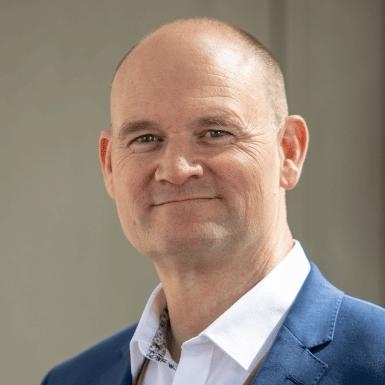
Patrick van der Burght
Australian Cialdini Certified Coach & Licensed Trainer, Founding Member of the Cialdini Institute, author of 'How to Hear YES More Often', and host of the Ethical Persuasion Unlocked podcast.
5
APPEARANCES
5
PODCASTS
Aug 25, 2026

AmosHOST
What's the biggest misconception people have?

4:03
When people hear the word persuasion, they often think that we mean manipulation, as in we're trying to bend people's will, make them do things that they don't really want to do.
6 MINS LATER
AmosHOST
does use our ethical persuasion to build stronger team instead of simply giving orders? And what role does trust play in influencing people?

7:48
So when it comes to decision-making, the human brain has two parts, and I'm leaning on the work of a professor, Daniel Kahneman here, won a Nobel Prize in economics in 2002.
7:56
We have, according to him, system one, which is our intuitive part of the brain, which works fast, unconsciously, outside of our conscious control.
8:06
It takes very little effort to run and runs largely on shortcuts, rules of thumb that make it easy to make quick decisions.
8:13
On the other side, we have system two, which is the logical, rational part of the brain.

Nicholas KuhneHOST
Persuasion in the second half, that's the complicated bit because that's now going into more, you've got to now personalize almost messages or your persuasion techniques to those individual people, right? Right.

Mark TaylorHOST
But decision making and understanding that overall concept is probably a good place to start because I think that frames it in a good way for people to understand what we're going to be chatting about.
3:11
And maybe just before that, maybe we should touch on what is the difference between persuasion, ethical persuasion, and there's other sort of words.
3:22
Most people, I think, have the tendency, when you say the word persuasion, that what they sort of feel is manipulation.
3:33
As in, I'm trying to change somebody's, you know, opinions or thoughts.
26 MINS LATER


10:03
a big Harley that me and my wife love to get on and she's got her own bike as well.
10:08
If I'm talking to someone and they say, oh yeah, I ride motorcycle, it's like we're already halfway to being best friends.
10:16
We like people that like us, especially those people in sales that are listening to this should pay attention.
10:22
You've traditionally been taught that if you're trying to convince people about your product or services or your idea, that you should do what you can so that people like you.

6:50
We've been beaten by the goldfish and it has to do with our stimulus saturated environment.
6:58
And so system two, our logical part of the brain is reliant on our attention span and we don't have it anymore.
7:06
So less and less decisions are made by system two and we lean heavier on the intuitive part of the brain.
Helen HoneysetHOST
So how do leaders adopt some of these principles to help them onboard and engage with people in a way that sets them and their teams up for success?