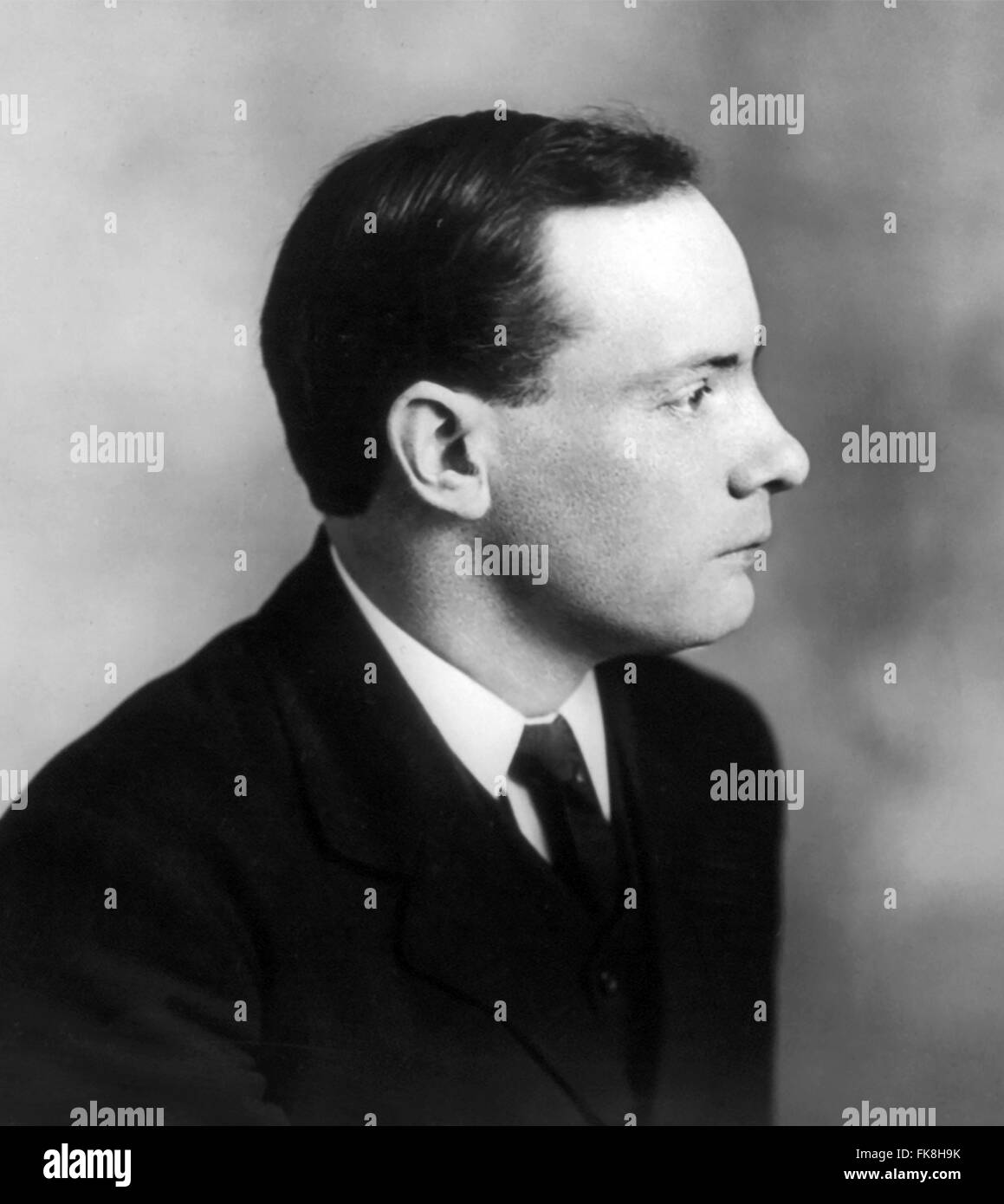
Patrick Pearse
Teacher and barristerWikipedia
14
MENTIONS
8
EPISODES
8
PODCASTS
Search complete. 14 mentions across 8 episodes found for "Patrick Pearse".
Sep 8, 2026

Mary DunphyGUEST
Thanks for having me.
Will FaulknerHOST
Mary Dunphy from return.ie. Now, after the news at ten, the forgotten men of nineteen sixteen, because they followed Pearse's orders, they may have even fired the first shots of the rising, but many of them were never given medals.
Will FaulknerHOST
Also, [upbeat music] what does good end-of-life care really look like for patients and families here in the Midlands? David Hollywood brings you a special report on a new palliative care initiative.
Will FaulknerHOST
And could a dedicated driving test center for the Midlands keep learners out of housing estates?
Will FaulknerHOST
Now, what have we got on the agenda? Flight socks, quitting smoking, dry eyes, stubborn constipation, health matters at half past ten.
Will FaulknerHOST
Also, the forgotten men of nineteen sixteen.
Will FaulknerHOST
They followed Pearse's orders.
Will FaulknerHOST
They may have fired the first shots in the rising.

Eoin KirbySOUNDBITE_SPEAKER
Yeah, it was my grandfather, Mick Gray, Michael Gray.
Eoin KirbySOUNDBITE_SPEAKER
In 1916, on the Easter weekend, they received, uh, notice, an order from Pádraig Pearse, and it was their task to, um, rip up the rail lines, and cut telegraph wires down in, in Portlaoise area, in order to prevent, or to stop at least, uh, any reinforcements coming up from, I believe it was Wexford, any British Army reinforcements.
Harry ManningCORRESPONDENT
For generations, Eoin and his family have been campaigning for Michael to receive official state recognition in the form of a posthumous service medal, but they've come up against many hurdles.
Eoin KirbySOUNDBITE_SPEAKER
Yeah, I think my father probably started the quest back in the '80s.
Pat FlemingSOUNDBITE_SPEAKER
Everyone that was involved in Laois in 1916, I feel, should be awarded the 1916 Medal.
Harry ManningCORRESPONDENT
For historian, Dr. Cormac Moore, he believes the actions carried out by all of the Laois volunteers is enough to warrant the military honor.
Cormac MooreSOUNDBITE_SPEAKER
They were under direct orders from Pádraig Pearse.
Cormac MooreSOUNDBITE_SPEAKER
The, it's actually one of the on- only remaining orders specifically given by Pádraig Pearse for the Easter Rising still in existence.

speaker_2HOST
Through that place, the men executed in 1916 have remained more than names on a list.
speaker_2HOST
Padraig Pearse, Padraig MacPhearish is associated with the Irish language, education and such.
speaker_2HOST
James Connolly is associated not just with execution but with trade unionism, the fight for workers' rights, the Irish Citizens' Army and the Labour movement.
speaker_2HOST
Joseph Plunkett with his marriage to Grace Gifford in Kilmainham only hours before his execution gives us one of the most human stories.

Aideen McBrideGUEST
So I'm happy to translate any story into Irish, but the ones that I learned from the Irish, I prefer to tell only in Irish.
Aideen McBrideGUEST
So they're like Padraic Mac Piarais' stories and, um, Shayna, I don't know if you studied that one in, um, in school as well.
Aideen McBrideGUEST
The, the guy who made the deal with the devil and, and, um, had to-
Oliver CallanHOST
Oh, they're always diddling around with devils, aren't they?

Brian MurphyGUEST
But the language is important to de Valera.
Brian MurphyGUEST
The Gaelic League, in terms of when it was set up in 1893, and afterwards, Pearse, who is maybe the godfather of Irish republicanism, Pádraig Pearse said, that the establishment of the Gaelic League was a revolutionary act, and all Irish independence history flowed from that moment of setting up the Gaelic League.
Brian MurphyGUEST
And the Gaelic League is central to Fianna Fáil being established, because the Gaelic League was about our language, our customs, our traditions, our history.
Brian MurphyGUEST
And the logical extension of all of that is if you believe in all of those things, our own nationality is that we have our own parliament.

James BaconGUEST
And this was done by a guy called Joe Stanley, who's a fascinating man.
James BaconGUEST
And he was he was the press officer to Pádraig Pearse during the 1916 Rising.
James BaconGUEST
And there is a park named after him in Drogheda.
James BaconGUEST
And he said he was quite the industrious man.

Lorcan CollinsHOST
And then in the afternoon, the later afternoon, I'm going to bring you to Patrick Henry Pierce's birthplace.
Lorcan CollinsHOST
and his brother Willie was born there as well and we'll have an exclusive meeting with Professor Ruan O'Donnell who wrote a fantastic book on Pearse and he's going to give us a good talk and we'll get a good insight into what drove Pearse and then that evening we'll go and have a chat with Donal Fallon and discuss the birth of Irish republicanism in the 1790s Not the 1970s.
Lorcan CollinsHOST
We will get to that.
Lorcan CollinsHOST
The 1790s, which, of course, a lot of you know was the United Irishmen.

John WatersGUEST
But to bring it, to bear on your question, In the visible plains of Ireland, in plain sight, it's not possible to see anything healthy or vibrant now above ground of Irish culture because people are so intimidated.
John WatersGUEST
A couple of years ago, some friends got involved in starting a festival of Irish culture, right? And it was to be called Miséira, which is a phrase, the title of a poem by one of our greatest patriots, our greatest patriot, Pádraig Pearse, P.H.
John WatersGUEST
Pearse.
John WatersGUEST
Miséira means I am Ireland, I am Ireland.