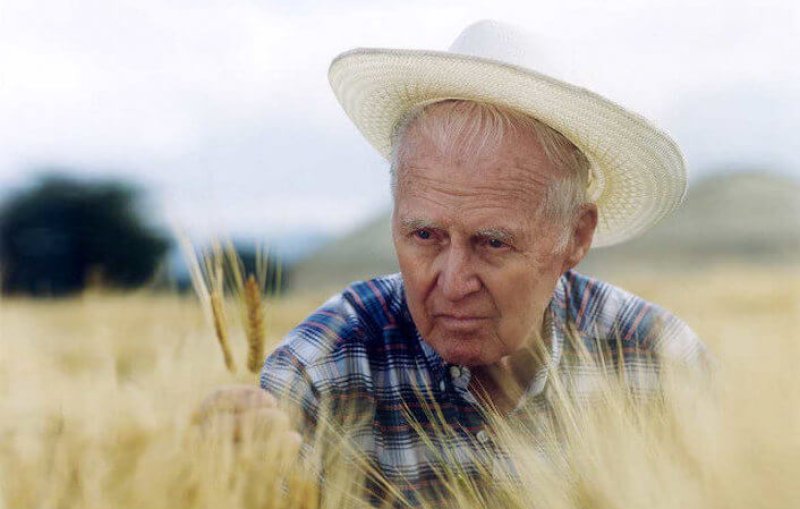
Norman Borlaug
American agriculturalistWikipedia
55
MENTIONS
32
EPISODES
32
PODCASTS
Search complete. 55 mentions across 32 episodes found for "Norman Borlaug".
Nov 3, 2026

Raj PatelGUEST
In urban areas, what they needed was cheap bread.
Raj PatelGUEST
So the Rockefeller Foundation supports a guy called Norman Borlaug, who won the Nobel Peace Prize in 1970 for his work, breeding wheat that would be high yielding.
Raj PatelGUEST
And so you've got the story then of the Green Revolution happening in Mexico.
Raj PatelGUEST
And what's the crop they support? They don't support corn.
Doug HenwoodHOST
But he had another side to him, didn't he?
Raj PatelGUEST
He was actually a friend of the Rockefellers and was very keen to see...
Raj PatelGUEST
Well, now that's where the crazy right goes crazy because, you know, the Rockefeller communist conspiracy, right? What he saw was the sort of perfect pristine fields that the Rockefeller Foundation was showing him that Norman Borlaug had created.
Raj PatelGUEST
And from his perspective, it was like, well, this is great.

Andrew NatsiosGUEST
The estimates are that we saved 245 million people's lives.
Andrew NatsiosGUEST
with implementing Dr. Norman Borlaug's Green Revolution.
Andrew NatsiosGUEST
He won the Nobel Prize for Peace in 1970 because of it.
Andrew NatsiosGUEST
He's the greatest hero in AID history is George Marshall and Norman Borlaug, who was a professor down the street here, as a matter of fact.
Andrew NatsiosGUEST
So we did this during the Cold War, okay, very successfully.
Andrew NatsiosGUEST
We could do it again.

Andrew NatsiosGUEST
The estimates are that we saved 245 million people's lives.
Andrew NatsiosGUEST
with implementing Dr. Norman Borlaug's Green Revolution.
Andrew NatsiosGUEST
He won the Nobel Prize for Peace in 1970 because of it.
Andrew NatsiosGUEST
He's the greatest hero in AID history is George Marshall and Norman Borlaug, who was a professor down the street here, as a matter of fact.
Andrew NatsiosGUEST
So we did this during the Cold War, okay, very successfully.
Andrew NatsiosGUEST
We could do it again.

Raj PatelGUEST
In urban areas, what they needed was cheap bread.
Raj PatelGUEST
So the Rockefeller Foundation supports a guy called Norman Borlaug, who won the Nobel Peace Prize in 1970 for his work, breeding wheat that would be high yielding.
Raj PatelGUEST
And so you've got the story then of the Green Revolution happening in Mexico.
Raj PatelGUEST
And what's the crop they support? They don't support corn.
Doug HenwoodHOST
But he had another side to him, didn't
Raj PatelGUEST
he? He was actually a friend of the Rockefellers and was very keen to see.
Raj PatelGUEST
Well, now that's where the crazy right goes crazy because, you know, the Rockefeller or a communist conspiracy, right? What he saw was the sort of perfect pristine fields that the Rockefeller Foundation was showing him that Norman Borlaug had created.
Raj PatelGUEST
And from his perspective, it was like, well, this is great.

Raj PatelGUEST
In urban areas, what they needed was cheap bread.
Raj PatelGUEST
So the Rockefeller Foundation supports a guy called Norman Borlaug, who won the Nobel Peace Prize in 1970, for his work breeding wheat that would be high yielding.
Raj PatelGUEST
And so you've got the story then of the Green Revolution happening in Mexico.
Raj PatelGUEST
And what's the crop they support? They don't support corn.
Doug HenwoodHOST
But he had another side to him, didn't
Raj PatelGUEST
he? He was actually a friend of the Rockefellers and was very keen to see.
Raj PatelGUEST
Well, now that's where the crazy right goes crazy because, you know, the Rockefeller communist conspiracy, right? But what he saw was the sort of perfect, pristine fields that the Rockefeller Foundation was showing him that Norman Borlaug had created.
Raj PatelGUEST
And from his perspective, it was like, well, this is great.

Brian RossnagelGUEST
And, you know, if you're keen on being a Nobel Prize winning scientist, don't be a plant breeder.
Brian RossnagelGUEST
Unless you can be Norman Borlaug.
Shaun HaneyHOST
Well, I think that gets back to one of your earlier points in being connected to the field and the outcome and who the actual customer is.
Shaun HaneyHOST
Precisely.

Brian RossnagelGUEST
And, you know, if you're keen on being a Nobel Prize winning scientist, don't be a plant breeder.
Brian RossnagelGUEST
Unless you can be Norman Borlaug.
Shaun HaneyHOST
Well, I think that gets back to one of your earlier points in being connected to the field and the outcome and who the actual customer is.
Shaun HaneyHOST
Precisely.

Gavin McInnesGUEST
Elon Musk is an exceptional entrepreneur.
Gavin McInnesGUEST
So I think we all see these people be abnormally successful in a field like Norman Borlaug.
Gavin McInnesGUEST
He redeveloped rice and saved a billion lives.
Gavin McInnesGUEST
I never did that.

Dariush MozaffarianGUEST
And that led to the Green Revolution, which was the industrialization of crop production.
Dariush MozaffarianGUEST
And so within just 10 years' time, once the methods were developed by Norman Borlaug, we had highly bred wheat, highly bred rice, highly bred corn, either red soy, just bread for production and calories, nothing else, not taste, not nutrition.
Dariush MozaffarianGUEST
And then they had to add to it chemical fertilizers, chemical pesticides, high-grade irrigation that's depleting our aquifers and our fresh water.
Dariush MozaffarianGUEST
And that saved probably a billion people from starving, which is amazing.

Casey Scherler-AbneyGUEST
But I have been able to eat it in Europe.
Casey Scherler-AbneyGUEST
And I have to think that it's, you know, different wheat varieties that haven't been sort of bred to... withstand these chemicals that historically are war chemicals, right? Like Norman Borlaug repurposed war chemicals, and he came up with the wheat variety that's used where we live primarily now.
Casey Scherler-AbneyGUEST
And so I would...
Casey Scherler-AbneyGUEST
I would suffice it to say that Europe is probably growing a more heritage type of grain without all of these chemical inputs.
22 more episodes mention Norman Borlaug.
Create an account to see the whole feed, search across every transcript, and follow the entities you care about.