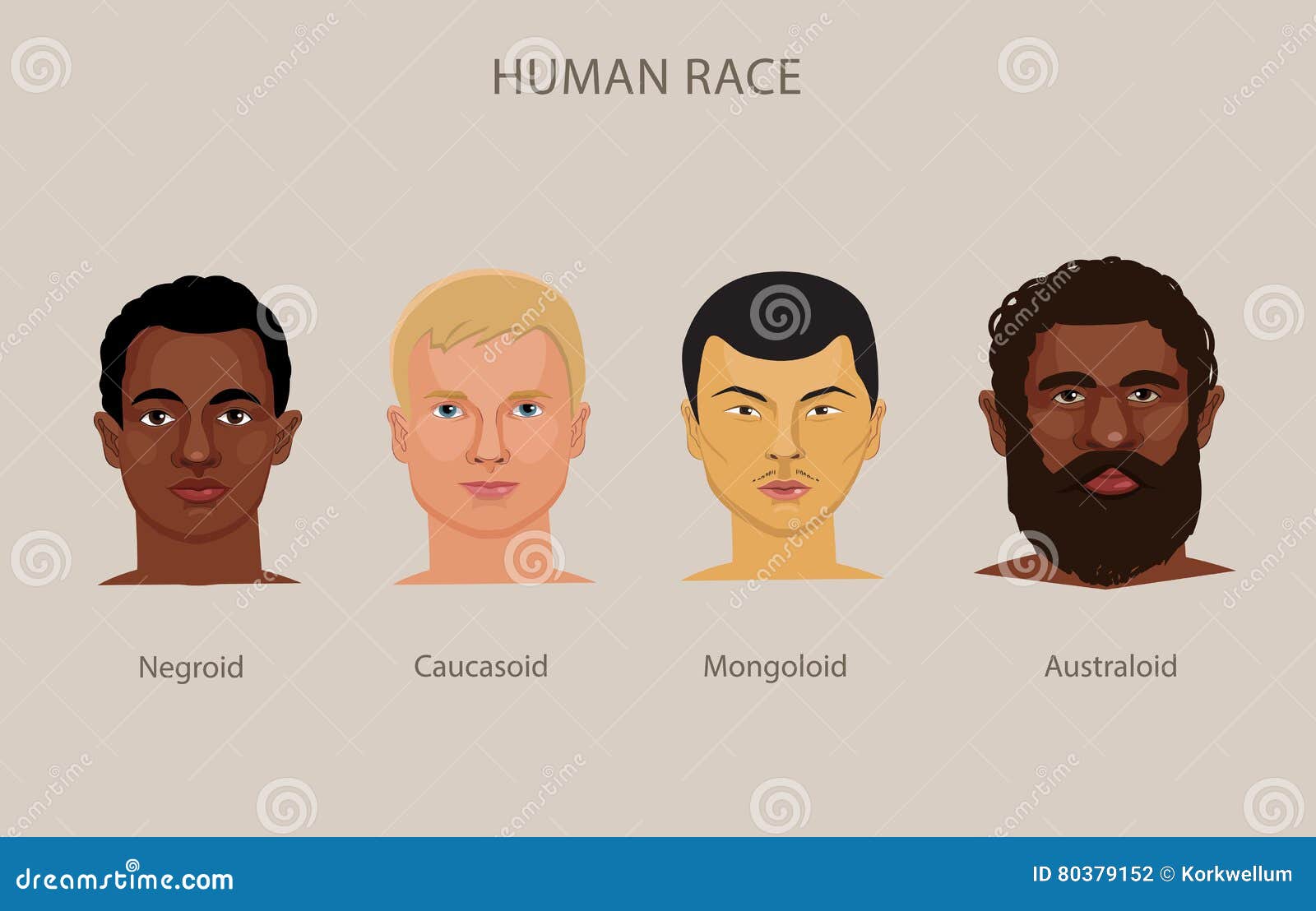
Negroid
43
MENTIONS
23
EPISODES
18
PODCASTS
Search complete. 43 mentions across 23 episodes found for "Negroid".
Oct 26, 2026

Ryan GableHOST
And the first official one.
Ryan GableHOST
The Olmec heads, as they refer to them, do look Negroid.
Ryan GableHOST
They do look African black.
Ryan GableHOST
The lips, the eyes, the nose especially look They definitely look black.
Ryan GableHOST
But when I saw that about China, I thought, okay, that's pretty dumb.
Ryan GableHOST
And then I... read more into it, and I couldn't seem to find anything that was even similar, kind of similar to the Olmecs.
Ryan GableHOST
Like the Olmecs, you could argue, looked, the heads anyway, I don't think we know much about the Olmecs officially, but the Olmecs, the heads, called the Olmec heads, they look Negroid.
Ryan GableHOST
So I understand that that could potentially convince you that maybe they're African.

Brandon TatumHOST
The end.
Brandon TatumHOST
But you know the Negroes, the Negroids, the Negrothals, they got to make this into something crazy knowing that they lied about the whole thing.
Brandon TatumHOST
They're literally on camera saying they called the police because a kid is doing this.
Brandon TatumHOST
They called on a three-year-old.

Greg AdamsHOST
And all those people in black clothing, all those antifas was walking down their street.
Greg AdamsHOST
All those Negroids were walking down their streets.
Greg AdamsHOST
And then they came out to defend themselves with a firearm and a bottle.
Greg AdamsHOST
Remember that? All right.

LionelHOST
And of course, we knew it was all nonsense.
LionelHOST
But I want to convey with the idea of you saying, and giving you a an image give you another example in the i remember like it was yesterday the transition of black america from negro colored no colored first negro Kind of took on a kind of a Negroid, Margaret Mead kind of a thing.
LionelHOST
Afro, Afro-American, black.
LionelHOST
Remember, say it loud and I'm black and I'm proud.
LionelHOST
Give you another example.
LionelHOST
In the, I remember, like it was yesterday, the transition of black America from Negro, colored, no, colored first, Negro, Kind of took on a kind of a Negroid, Margaret Mead kind of a thing.
LionelHOST
Afro, Afro-American, black.
LionelHOST
Remember, I'm saying it loud and I'm black and I'm proud.
LionelHOST
Give you another example.
LionelHOST
In the, I remember, like it was yesterday, the transition of black America from negro, colored, no, colored first, negro, Kind of took on a kind of a Negroid, Margaret Mead kind of a thing.
LionelHOST
Afro, Afro-American, black.
LionelHOST
Remember, I'm saying it loud and I'm black and I'm proud.

speaker_2NARRATOR
The former apparently originated in South Asia and entered Africa by way of the northeastern corner of that continent.
speaker_2NARRATOR
Africa, south of the Sahara, is now the chief home of this race, though remnants of Negroid aborigines are found throughout the South Asia from India to the Philippines, while the very distinct black Melanesians and the Australoids lie farther to the east and south.
speaker_2NARRATOR
The Mongoloids include the round-skulled Mongols and their derivatives, the Amerinds or American Indians.
speaker_2NARRATOR
This group is essentially Asiatic and occupies the center and the eastern half of that continent.
1 HR 42 MINS LATER
speaker_2NARRATOR
There is little doubt that the Cro-Magnons originally developed in Asia and were in their highest stage of physical development at the time of their first appearance in Europe.
speaker_2NARRATOR
Whatever change took place in their stature during their residence there seems to have been in the nature of a decline rather than of a further development.
speaker_2NARRATOR
There is nothing whatever of the Negroid in the Cro-Magnons, and they are not in any way related to the Neanderthals who represent a distinct and, save for the suggestions made above, an extinct species of man.
speaker_2NARRATOR
The Cro-Magnon race persisted through the entire Upper Paleolithic during the periods known as the Aurignacian, Solutrean, and Magdalenian, from 25,000 to 10,000 BC.

Meghan RienksHOST
What, what is this?" And then very quickly you go, "Oh, you're a raging racist." And then she says, essentially, "I'm a raging racist." Like, could she-
Melisa D. MontsHOST
She says, "I don't like Negroids," is what she said.
Melisa D. MontsHOST
[laughs]
Meghan RienksHOST
Yes.
Melisa D. MontsHOST
Oh, no, that's one of Rochelle's hairs."
Meghan RienksHOST
Mm-hmm.
Melisa D. MontsHOST
And sh- and Rochelle's like, "Why don't you like me?" And she's like, "I don't like Negroids."
Meghan RienksHOST
Yeah.
Greg AdamsHOST
We're going New Orleans.
Greg AdamsHOST
All right, we're going New Orleans for the Negroid cities.
Greg AdamsHOST
What's your favorite Negro city? Somebody said Napoleon was on child support.
Greg AdamsHOST
Oh, my Lord.

speaker_0NARRATOR
Individuals with this genetic type exhibited a series of common characteristics, including black skin, with tones varying from dark brown to black, a characteristic prominent in contemporary African populations and likely noticeably present among the early pre-Hamite humans.
speaker_0NARRATOR
Negroid nasal features, a nose shape recognized in many modern cultures as a characteristic physical trait of African groups.
speaker_0NARRATOR
This nose, with a wider base and rounded tip, is one of the most evident signs of the pre-Hamite lineage.
speaker_0NARRATOR
Curly hair, another trait associated with the Hamitic phenotype, with thicker, tightly coiled or even Afro-textured hair strands common among various African populations.
speaker_0NARRATOR
These physical traits could have existed in a primitive form among the populations of the pre-flood period, with a genetic heritage that endures to this day, reflecting a lineage that branched out and evolved over millennia.
speaker_0NARRATOR
This genetic and phenotypic diversity suggests that even in the earliest generations of humans, ethnic and physical variation was already developing long before the more well-known divisions and distinctions among races that emerged throughout history.
speaker_0NARRATOR
Thus, the pre-Hamite ethnicity, with its characteristic dark skin, Negroid features, and imposing stature, reflects one of the great roots of human civilization.
speaker_0NARRATOR
This group, although distant in time, still has a profound impact on the populations we know today and helps us understand how the earliest human lineages began laying the foundations for the great nations and cultures that would follow.
13 more episodes mention Negroid.
Create an account to see the whole feed, search across every transcript, and follow the entities you care about.