Modern portfolio theory
21
MENTIONS
3
EPISODES
3
PODCASTS
Search complete. 21 mentions across 3 episodes found for "Modern portfolio theory".
Oct 10, 2026

speaker_1HOST
This is the crux of modern financial architecture.
speaker_1HOST
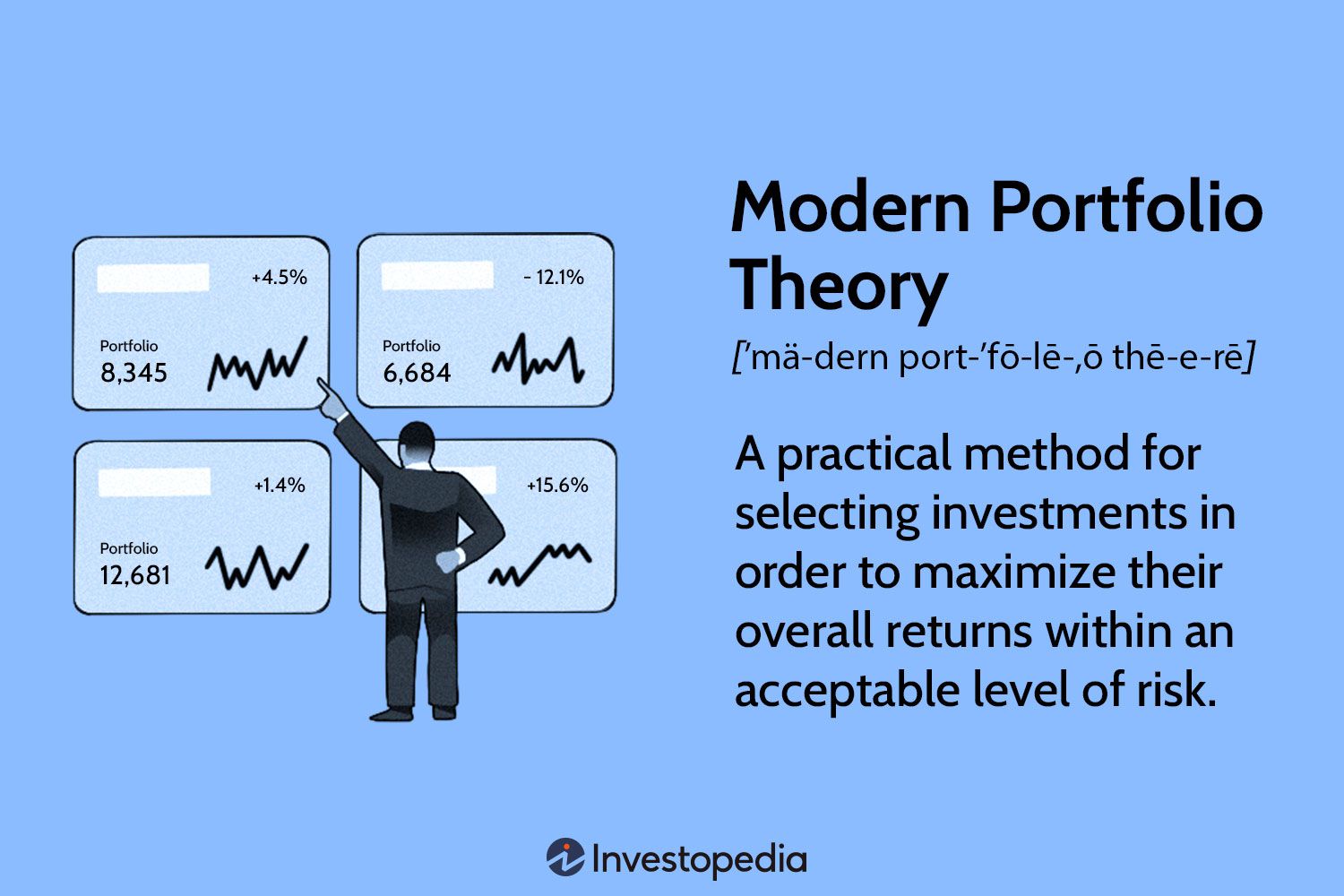
In the 1950s, a young economist named Harry Markowitz published a paper detailing what is now known as Modern Portfolio Theory, or MPT.
speaker_1HOST
Markowitz later won a Nobel Prize for this work.
speaker_0HOST
A Nobel Prize for MPT?
speaker_1HOST
They move in opposite directions in response to the same exogenous variable, which in this case is the weather.
speaker_0HOST
All right.
speaker_1HOST
Modern portfolio theory proves that by diversifying capital across a broad spectrum of assets that do not move in perfect positive lockstep with each other, combining domestic equities, international equities, bonds, and real estate, you can optimize a portfolio.
speaker_1HOST
You construct an efficient frontier where you achieve the highest possible expected return for any given baseline of risk.

Aswath DamodaranHOST
Hi, welcome back.
Aswath DamodaranHOST
In this session, I'd like to talk about a commonly held misconception that if you do not like modern portfolio theory, you cannot do discounted cash flow valuations.
Aswath DamodaranHOST
Let's separate the two concepts.
Aswath DamodaranHOST
In discounted cash flow valuation, we argue that the value of an asset is the present value of the expected cash flows in the asset.
Aswath DamodaranHOST
That marginal investor also has choices.
Aswath DamodaranHOST
They can invest in something riskless or something risky.
Aswath DamodaranHOST
And if you bring those two concepts together in addition to a trust in markets, what you end up with is the modern portfolio theory focus on risk.
Aswath DamodaranHOST
So I'm going to give you a very speedy and compressed measure of how different models in modern portfolio theory approach the measurement of risk.

Anthony PomplianoHOST
Sports teams have, you know, very unique scarcity characteristics, but they're usually illiquid, and it's kinda hard to none- understand what the price is in between these different funding rounds.
Anthony PomplianoHOST
So when you're thinking about, like, modern portfolio theory, if you will, what are maybe some of the things that you have to adapt to given these types of assets? They all come with kind of pros and cons.
Anthony PomplianoHOST
And so are there things that you're actually changing or, or having to think about to, to make sure that it works in the modern world with these assets?
Christopher ZookGUEST
One hundred percent.
Christopher ZookGUEST
You know, very, very, very little correlation.
Christopher ZookGUEST
They have very little movement that's tied to the overall market.
Christopher ZookGUEST
You know, Bitcoin, crypto, The Magnificent Seven, you know, all the big technology names, they're great businesses or they're great assets But in excess, and then they go down 50% and that's all you own, do you have the stomach, the gut to be able to stay with it? So what we have to try to do, and, and we've done this for 25-plus years, is truly use what Ray Dalio refers to as the Holy Grail of investing, what, uh, for those that are in the industry, Harry Markowitz won the Nobel Prize proving Modern Portfolio Theory.
Christopher ZookGUEST
They're the same thing.