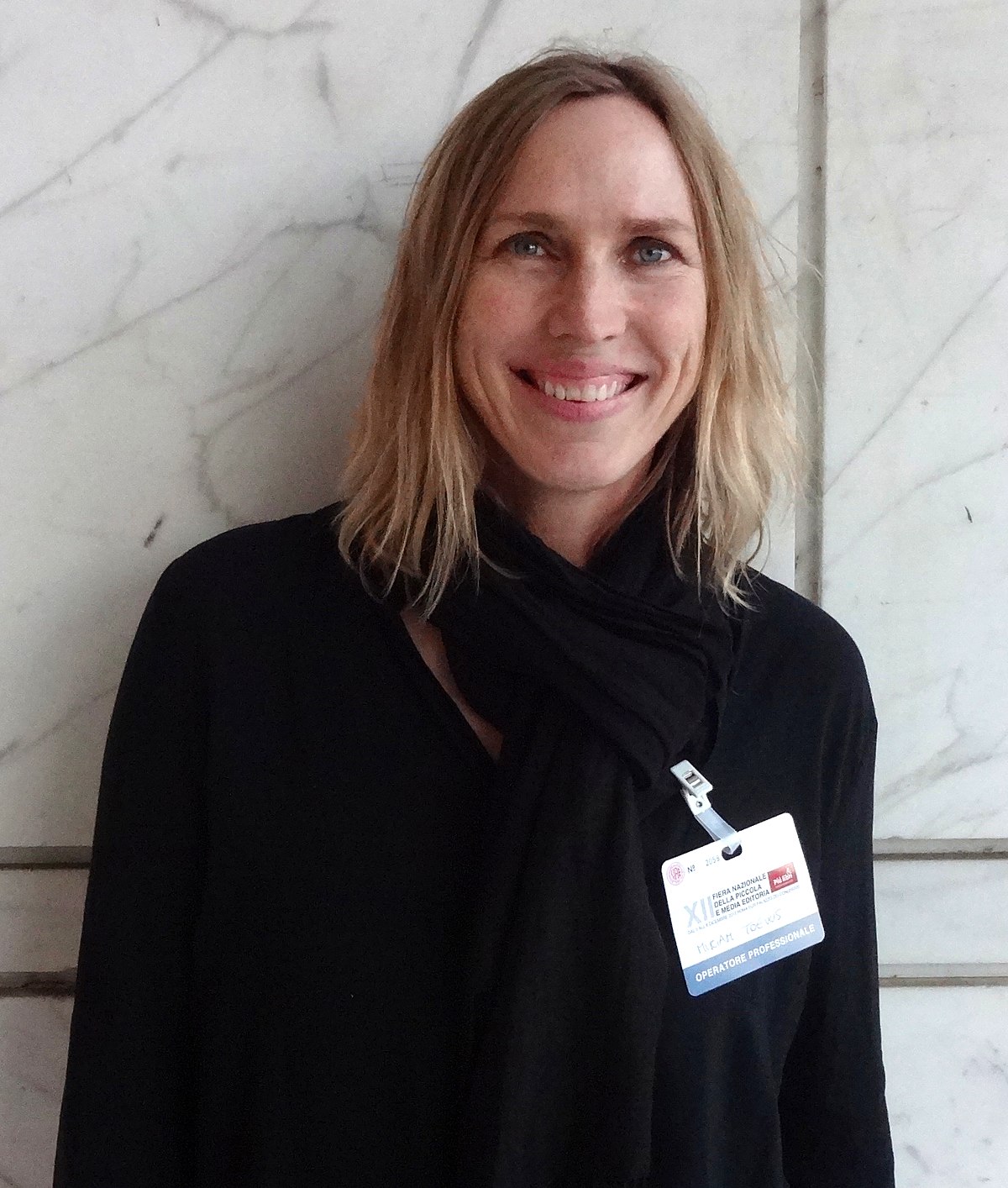
Miriam Toews
Canadian writerWikipedia
9
MENTIONS
6
EPISODES
3
PODCASTS
Search complete. 9 mentions across 6 episodes found for "Miriam Toews".
Oct 21, 2026

Kathryn OrmsbeeHOST
So scary.
Kathryn OrmsbeeHOST
By Miriam Toews.
Kathryn OrmsbeeHOST
And my friend recommended this to me as something she thought I would like.
Kathryn OrmsbeeHOST
And she was very correct.

Valerie FrancisHOST
Through a dual POV and timeline, the story follows Mennonite women-- follows a Mennonite woman and her niece surviving the, the Russian Revolution amid a pacifist patriarchal society which places more value on a man's authority than his actions.
Valerie FrancisHOST
The novel combines the themes of Miriam Toews', uh, Women Talking with the devastating family drama and setting of Kristin Lash's The Last Russian Doll.
Valerie FrancisHOST
In 1907 in southern Russia, Agnetha Martins, uh, longs for autonomy and escape from her abusive brother, Cornelius.
Valerie FrancisHOST
But when her mother and sister-in-law die, Agnetha inherits their responsibilities, keeping her father's house and raising her young sisters and niece, Marie.

speaker_0HOST
It really does.
speaker_0HOST
We move from Atwood, who writes to document a structure, to Miriam Toews, who is writing to document a void.
speaker_1HOST
Yeah.
speaker_1HOST
Miriam Toews' new memoir, A Truce That Is Not Peace, is an entirely different architecture.
speaker_0HOST
It really is.
speaker_1HOST
Atwood looks outward at the world and her place in it, right? But Toews is forced to look entirely inward at a space that has been violently emptied.
speaker_1HOST
So she writes.
speaker_0HOST
Not because it solves anything, but because the alternative, which is surrendering completely to the silence, is entirely unsurvivable.
speaker_1HOST
Relentless, pitch-black comedy in the face of despair.
speaker_0HOST
Let's look at Miriam Toews.
speaker_0HOST
Her novel All My Puny Sorrows is described as the latest from one of Canada's favorite writers.
speaker_1HOST
Though Wilcox notes she's lesser known to American folks.
speaker_2HOST
It was the absolute core of the film's authenticity and power.
speaker_1HOST
That concept of finding the exact right tone for trauma leads us to our final film in this section, Miriam Toews' novel, All My Puny Sorrows, which was adapted in 2021.
speaker_2HOST
Toews wrote this novel drawing on very deep personal grief regarding the suicide of her own sister.
speaker_2HOST
It follows two sisters, Yoli and Elf, who grew up in a strict Mennonite community in Manitoba.
speaker_1HOST
Then you see a shift to adapting global literary giants like Atwood, where the themes transcend national borders.
speaker_1HOST
Following that, you have the era of massive international co-productions where directors like Ang Lee and Anthony Minghella carry Canadian novels to Oscar dominance.
speaker_2HOST
And today, the contemporary norm seems to be authors like Emma Donoghue and Miriam Toews being intimately involved in adapting their own work into mid-budget, emotionally complex dramas.
speaker_2HOST
The boundaries are blurring.
speaker_0HOST
She traps you in the suffocating silence with them.
speaker_1HOST
We see a different but equally powerful approach to intimacy in Sarah Polley's 2022 adaptation of Miriam Toews' novel Women Talking.
speaker_0HOST
This one is fascinating because unlike The Power of the Dog, which relies on silence, Women Talking is almost entirely driven by speech.
speaker_0HOST
The speech is the action.