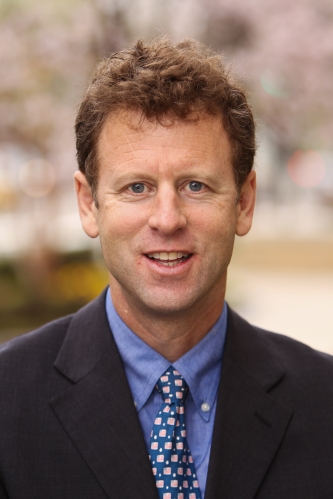
Michael E. O'Hanlon
12
MENTIONS
6
EPISODES
5
PODCASTS
Search complete. 12 mentions across 6 episodes found for "Michael E. O'Hanlon".
Oct 28, 2026

CorrineHOST
Time is on America's side, and a renewed or intensified air war would be a mistake.
CorrineHOST
By Michael O'Hanlon Whatever the wisdom of President Trump's decision to attack Iran, he has found the least bad military strategy for the war going forward.
CorrineHOST
blockading the Strait of Hormuz while escorting friendly shipping through.
CorrineHOST
This strategy has kept global oil prices from going through the roof while squeezing Iran harder.

CorrineHOST
Time is on America's side, and a renewed or intensified air war would be a mistake.
CorrineHOST
By Michael O'Hanlon Whatever the wisdom of President Trump's decision to attack Iran, he has found the least bad military strategy for the war going forward.
CorrineHOST
blockading the Strait of Hormuz while escorting friendly shipping through.
CorrineHOST
This strategy has kept global oil prices from going through the roof while squeezing Iran harder.

Terry GertonHOST
A new analysis argues the challenge is separating achievable defenses from concepts that become prohibitively expensive once they collide with real-world physics.
Terry GertonHOST
Joining me now is Michael O'Hanlon, senior fellow at the Brookings Institution.
Terry GertonHOST
Mr. O'Hanlon, thank you so much for joining me.
Terry GertonHOST
It's great to have you back on the show.
11 MINS LATER
Michael O'HanlonGUEST
So in mid-course flight, the absentee ratio is not as severe, but the decoy threat or problem is much worse, the discrimination problem.
Michael O'HanlonGUEST
So one way or the other, the laws of physics are really complicating your task if you're in outer space.
Terry GertonHOST
Michael O'Hanlon is Senior Fellow and Director of Research in Foreign Policy at the Brookings Institution.
Terry GertonHOST
You know, we've all seen really ambitious government programs before, maybe in defense, maybe in NASA, where we never really get to the objective of the program.
Terry GertonHOST
A new analysis argues the challenge is separating achievable defenses from concepts that become prohibitively expensive once they collide with real-world physics.
Terry GertonHOST
Joining me now is Michael O'Hanlon, senior fellow at the Brookings Institution.
Terry GertonHOST
Mr. O'Hanlon, thank you so much for joining me.
Terry GertonHOST
It's great to have you back on the show.
11 MINS LATER
Michael O'HanlonGUEST
So in mid-course flight, the absentee ratio is not as severe, but the decoy threat or problem is much worse, the discrimination problem.
Michael O'HanlonGUEST
So one way or the other, the laws of physics are really complicating your task if you're in outer space.
Terry GertonHOST
Michael O'Hanlon is Senior Fellow and Director of Research in Foreign Policy at the Brookings Institution.
Terry GertonHOST
You know, we've all seen really ambitious government programs before, maybe in defense, maybe in NASA, where we never really get to the objective of the program, but along the way we make a lot of very interesting discoveries and deployments.

Brian KellyHOST
Wishing everybody of course there the best.
Brian KellyHOST
Let's talk about this with Michael O'Hanlon.
Brian KellyHOST
He is director of research for the foreign policy program at Brookings.
Brian KellyHOST
Um, Michael, are you surprised that the pr- I know you're not, like, an oil trader, but are you surprised the oil markets are not moving more than they are?
Michael O'HanlonGUEST
So good luck to President Trump.
Michael O'HanlonGUEST
Uh, but please, President Trump, remember Putin is the problem, not Zelenskyy, uh, and not anybody else.
Brian KellyHOST
Michael O'Hanlon of Brookings.
Brian KellyHOST
Michael, I could talk to you all hour about this topic, but we'll get you back on again soon to talk about it.

Leland VittertHOST
Now oil is flowing to the west via a pipeline to the Red Sea through the Strait of Hormuz, while the blockade around Iran strangles the mullahs.
Leland VittertHOST
Bringing in Congressman Adam Smith of the state of Washington, senior fellow at the Brookings Institution, Michael O'Hanlon.
Leland VittertHOST
Michael, start with you.
Leland VittertHOST
Is it fair to say that if this holds, that there is oil flowing through the strait to the west at the same rate as before the war and the Iranians continue to be blockaded, that time becomes on America's side?
Leland VittertHOST
I would say the one thing Iran's going to start rebuilding is a terror network whenever they can, but that's a conversation for a different time.
Leland VittertHOST
Tigers don't change their stripes.
Leland VittertHOST
Adam Smith, Congressman of Washington, Michael O'Hanlon, thank you both.
Leland VittertHOST
One thing for tomorrow when we come back.