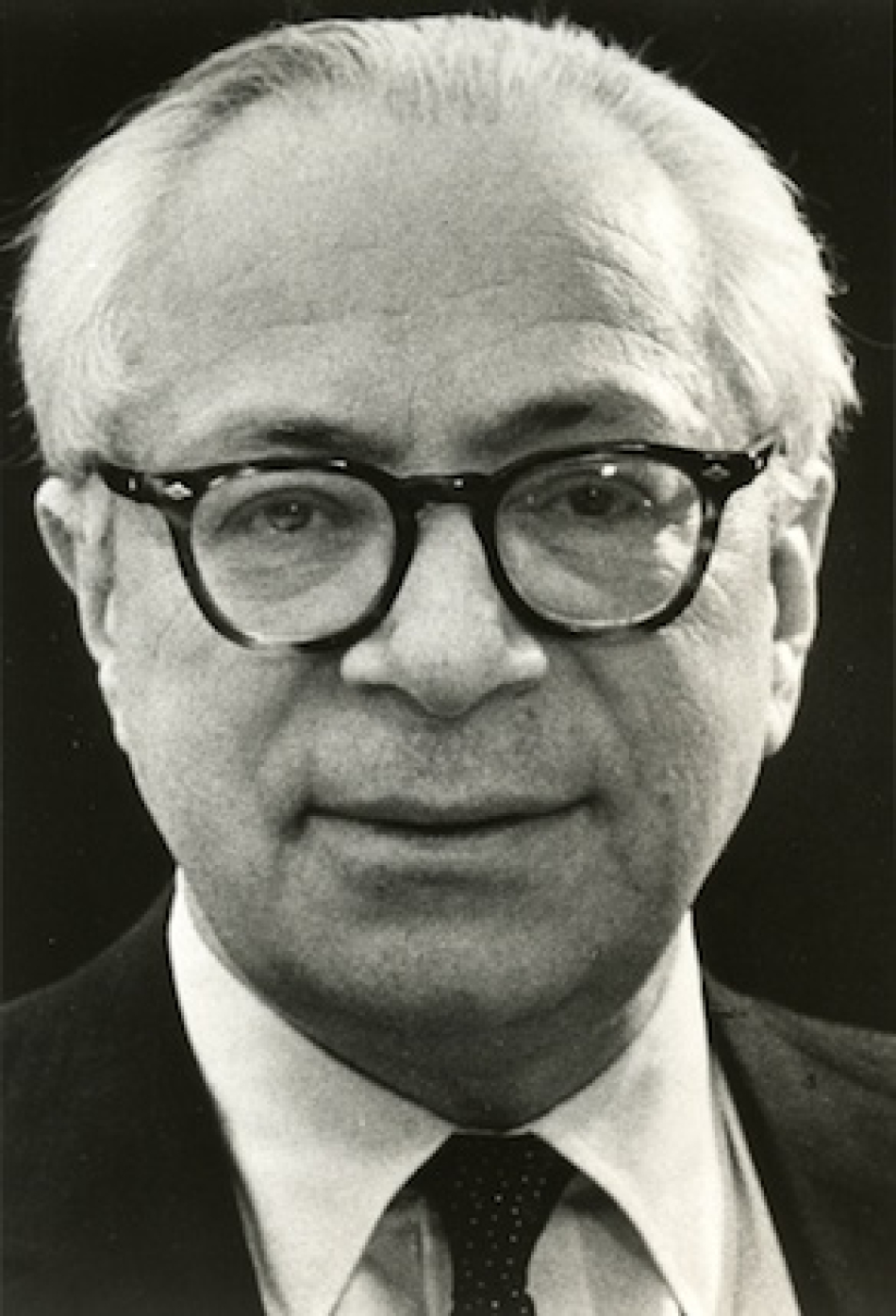
Max Weinreich
American linguistWikipedia
52
MENTIONS
3
EPISODES
3
PODCASTS
Search complete. 52 mentions across 3 episodes found for "Max Weinreich".
Oct 9, 2026

Kalman WeiserGUEST
And so writing about YIVO as we got toward its 100th anniversary made a lot of sense.
Kalman WeiserGUEST
I had already been working on Max Weinreich, who was the head of YIVO, in other types of research, very significant figure.
Kalman WeiserGUEST
His daughter-in-law, Bina Weinreich, was my teacher, and I used to come to her for tutorials in YIVO, and she would talk about Max and his son, Uriel.
Kalman WeiserGUEST
And, you know, the sense of these people being not only the Jewish intellectual aristocracy, but also the sense of intimacy, feeling like you know the people who knew them, and you're the direct intellectual inheritor of these people, was intoxicating.
Kalman WeiserGUEST
[chuckles] Uh, br- I mean, I'm romanticizing, but that's how I felt when I was very young.
Kalman WeiserGUEST
It really made me feel attached to this institution.
Kalman WeiserGUEST
Um, uh, so I was working on Max Weinreich coming to America, what he'd achieved in Europe and the transition to America, and then YIVO approached me and said, you know, "Would you be interested in writing a book about this?" And I was already primed to do it, so of course the answer was yes.
Caleb ZakarinHOST
A- and there has been work written about YIVO before.

Kalman WeiserGUEST
And so writing about YIVO as we got toward its 100th anniversary made a lot of sense.
Kalman WeiserGUEST
I had already been working on Max Weinreich, who was the head of YIVO, in other types of research, very significant figure.
Kalman WeiserGUEST
His daughter-in-law, Bina Weinreich, was my teacher, and I used to come to her for tutorials in YIVO, and she would talk about Max and his son, Uriel.
Kalman WeiserGUEST
And, you know, the sense of these people being not only the Jewish intellectual aristocracy, but also the sense of intimacy, feeling like you know the people who knew them, and you're the direct intellectual inheritor of these people, was intoxicating.
Kalman WeiserGUEST
[laughs] Uh, r- I mean, I'm romanticizing, but that's how I felt when I was very young.
Kalman WeiserGUEST
It really made me feel attached to this institution.
Kalman WeiserGUEST
Um, uh, so I was working on Max Weinreich coming to America, what he'd achieved in Europe and the transition to America, and then YIVO approached me and said, you know, "Would you be interested in writing a book about this?" And I was already primed to do it, so of course the answer was yes.
Caleb ZakarinHOST
A- and there has been work written about YIVO before.

Kalman WeiserGUEST
And so writing about YIVO as we got toward its 100th anniversary made a lot of sense.
Kalman WeiserGUEST
I had already been working on Max Weinreich, who was the head of YIVO, in other types of research, a very significant figure.
Kalman WeiserGUEST
His daughter-in-law, Bina Weinreich, was my teacher.
Kalman WeiserGUEST
I used to come to her for tutorials in YIVO, and she would talk about Max and his son Uriel.
Kalman WeiserGUEST
The sense of these people being not only the Jewish intellectual aristocracy, but also the sense of intimacy.
Kalman WeiserGUEST
Feeling like you know the people who knew them and you're the direct intellectual inheritor of these people was intoxicating.
Kalman WeiserGUEST
I mean, I'm romanticizing, but that's how I felt when I was very young.
Kalman WeiserGUEST
It really made me feel attached to this institution.