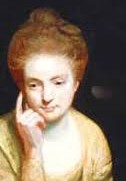
Mary Astell
English authorWikipedia
4
MENTIONS
4
EPISODES
4
PODCASTS
Search complete. 4 mentions across 4 episodes found for "Mary Astell".
Oct 20, 2026

Teresa BejanGUEST
So in a way, I'm really interested.
Teresa BejanGUEST
And in the book, I point to Mary Astell, who sometimes celebrated as the first English feminist, as the person who kind of saw this clearly, that for the quality of human beings to become a basis on which women could make demands for better treatment.
Teresa BejanGUEST
they would have to first create the institutions in which they could begin to see themselves as equal and sort of be equals unto men intellectually, educationally, spiritually for that argument to actually make any headway politically.
Teresa BejanGUEST
And in the conclusion of the book, I gesture to a kind of similar dynamic in the case of the abolition of slavery in the United States and the demand for votes and voices for African Americans.

Teresa BejanGUEST
So in a way, I'm really interested.
Teresa BejanGUEST
And in the book, I point to Mary Astell, who sometimes celebrated as the first English feminist, as the person who kind of saw this clearly, that for the quality of human beings to become a basis on which women could make demands for better treatment...
Teresa BejanGUEST
they would have to first create the institutions in which they could begin to see themselves as equal and sort of be equals unto men intellectually, educationally, spiritually, for that argument to actually make any headway politically.
Teresa BejanGUEST
And in the conclusion of the book, I gesture to a kind of similar dynamic in the case of the abolition of slavery in the United States and the demand for votes and voices for African-Americans.

Teresa BejanGUEST
You know, um, they were, they were given voices in the dissenting congregation, but not in the, um, established congregation.
Teresa BejanGUEST
So in a way, I'm really interested, and in the book I point to Mary Astell, who's sometimes celebrated as the first English feminist, as the person who kind of saw this clearly, that for the quality of human beings to become a basis on which women could make demands for better treatment, they would have to first create the institutions in which they could begin to see themselves as equal and sort of be equals unto men intellectually, educationally, spiritually for that, um, argument to actually make any headway politically.
Teresa BejanGUEST
And in the conclusion of the book, I, I gesture to a kind of similar dynamic in the case of, um, the abolition of slavery in the United States and the demand for, um, votes and voices for African Americans.
Teresa BejanGUEST
It's really, um, only once you can say that, um, uh, formerly enslaved people, um, should be able to serve as soldiers, and then, you know, they- we have this experience of, um, uh, emancipated, um, emancipated people fighting and dying for the Union that really then gives that political demand a kind of plausibility that actually leads to effective political change.