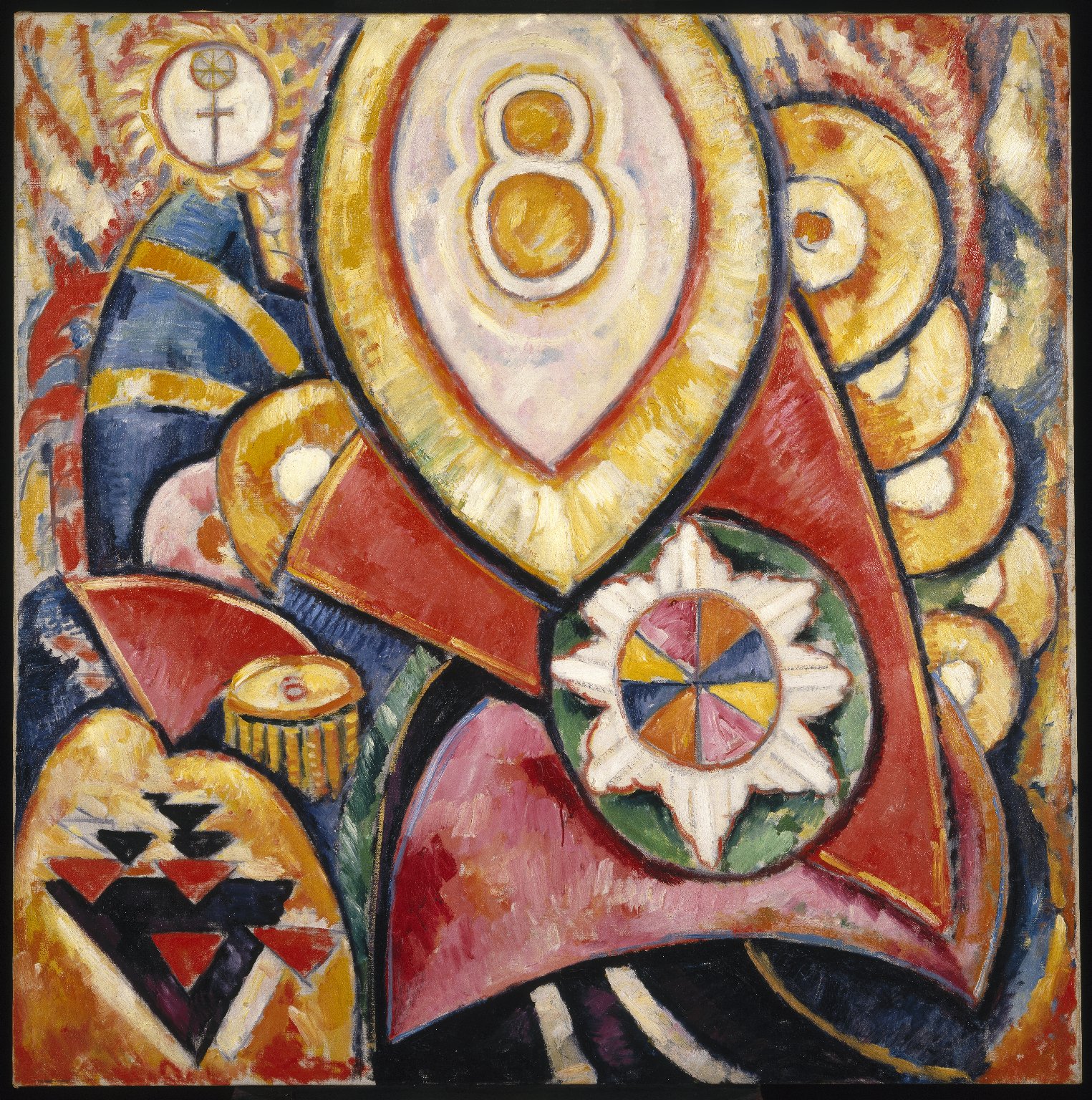
Marsden Hartley
American painter and poetWikipedia
7
MENTIONS
3
EPISODES
3
PODCASTS
Search complete. 7 mentions across 3 episodes found for "Marsden Hartley".
Oct 8, 2026

Matthew MillerGUEST
Um, but I, but it's, they're, they have a certain utility or something.
Matthew MillerGUEST
Something about, um, you know, for example, painting my little Marsden Hartley or Mar- Maurice Merleau-Ponty or Albert Camus.
Matthew MillerGUEST
Um, it wasn't just a throwaway.
Matthew MillerGUEST
You know, I, I picked them for a reason.
Matthew MillerGUEST
...
Matthew MillerGUEST
so I think sometimes I'm doing these kind of quote unquote "side pieces" because they're doing something very different for me, just overall, like, internal and, yeah.
Isaac MannHOST
And just to be on the same page, you're talking about doing copies of these, of a Marsden Hartley? Or are they-
Matthew MillerGUEST
Yeah, like a pho- photograph of a-

Russell ShoemakerHOST
Yeah.
Russell ShoemakerHOST
They reminded me a little bit of Marsden Hartley's paintings of, like, manor men who were very, like, chiseled and sculpted.
Russell ShoemakerHOST
Like, they're more, like, chiseled than curvaceous, like they are in Beryl's work.
Russell ShoemakerHOST
Still shows a love for these, like... working class folks who are just having fun and has like, you know, his is more of like a sort of homosexual gaze, but you know, there's still like that sort of just like interest with the body, interest with life, interest with just like that sort of expression.

speaker_0NARRATOR
Both men resigned in protest.
speaker_0NARRATOR
Alfred Stieglitz photographed Fountain at his 291 gallery, positioned in front of Marsden Hartley's 1913 painting, The Warriors.
speaker_0NARRATOR
The painting depicts a German military parade, and the title of the painting suggests a battle between old and new ways of thinking.
speaker_0NARRATOR
Stieglitz's photograph appeared in the May 1917 issue of The Blind Man, a short-lived New York avant-garde art magazine, along with an editorial that argued that Duchamp's act of choosing an ordinary object created a new thought for that object.