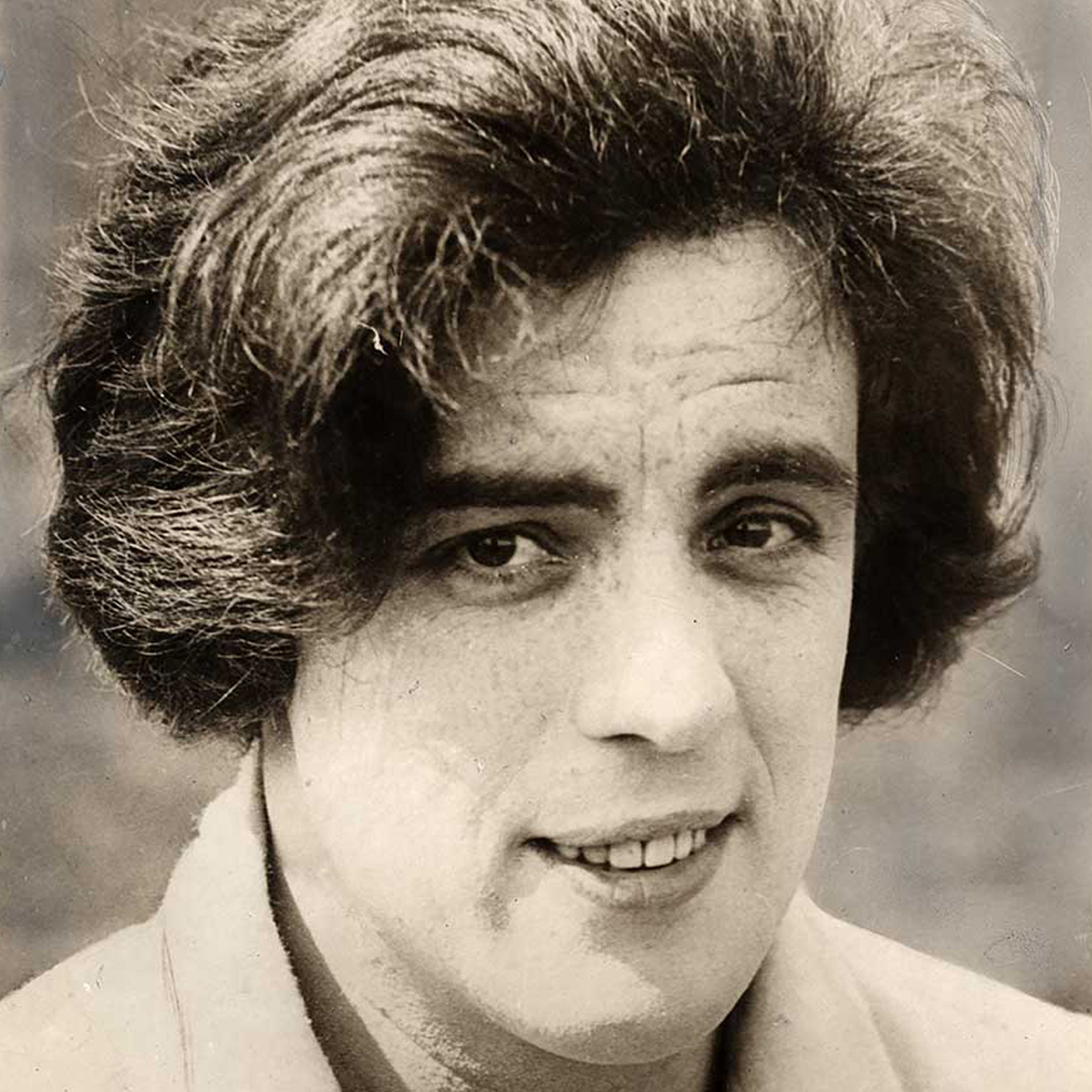
Mark Weston
British athlete
4
APPEARANCES
1
PODCASTS
Sep 24, 2026

GraceHOST
Yeah, exactly.

Louise WestonGUEST
I suppose there is something to say, you know, kind of having strong social capital isn't the same as just being popular or well connected, because there's an element here about the quality of their relationship.
Louise WestonGUEST
You know, a large network isn't necessarily a useful or even an inclusive network.
Louise WestonGUEST
And that kind of brings me on to different dimensions, because there's a couple of different dimensions it's worth thinking about with social capital.
5 MINS LATER
GraceHOST
So where does that kind of leave us then with psychological safety and networking more broadly?
GraceHOST
And is that different to feeling like negative feelings wise? Is that different to guilt or...
Louise WestonGUEST
So it's different from guilt because guilt involves negative feelings about a specific behaviour or action or transgression taken by the self.
Louise WestonGUEST
So although they might sound similar, there are some quite important differences and I know they're quite technical kind of definitions I've given there.
Louise WestonGUEST
So to kind of put it into layman's terms, both are emotions and both are invoked when there's an action that triggers a negative self-evaluation, when you've done something wrong or undesirable, something you didn't mean to do.
Louise WestonGUEST
And some of those differences come from how you attribute that negative self-evaluation.
6 MINS LATER
GraceHOST
So how can people go around kind of dealing with shame in the workplace? watching out for cognitive dissonances
GraceHOST
And this goes beyond politics, isn't it? What you're describing kind of applies to, like you said, applies to all of us in workplaces kind of everywhere.
Louise WestonGUEST
All day, every day, organizations are asking people to make decisions constantly, whether it be recruitment decisions, decisions about performance, strategy, customer decisions, and we work in organizations, and it's, you know, it's not unusual for those decisions to be made when people are overloaded or distracted or stressed or fatigued.
GraceHOST
Yeah.
GraceHOST
So what is it that makes a good astronaut?
Louise WestonGUEST
Well, I think you make a really good point about these confined spaces with work colleagues.
Louise WestonGUEST
If you look back at the history of psychology and astronauts, what makes a good astronaut, a lot of the earlier research looked at the specific personality traits of an astronaut.
Louise WestonGUEST
It looked at those who were selected by NASA and what were the commonalities in terms of their personality.
Louise WestonGUEST
And when you looked at that, astronauts tended to be those who were high on seeking new experiences.
GraceHOST
So how do you begin to start testing if people are ready or capable of doing that trip?