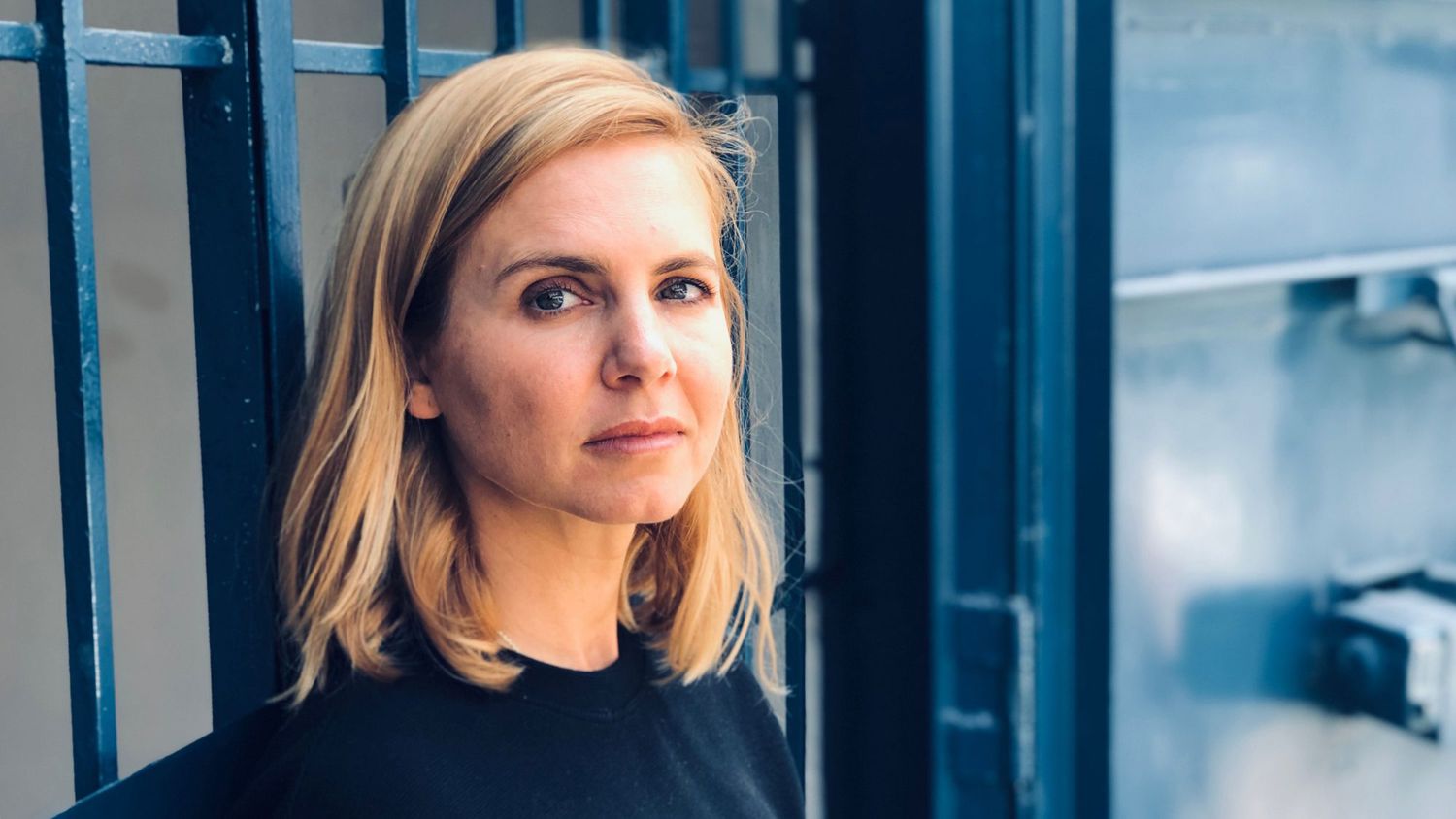
Mariana van Zeller
Portuguese-American journalist
16
APPEARANCES
14
PODCASTS
Aug 23, 2026


Mariana Van ZellerGUEST
And this is the moment I'm on the phone with my husband, and I tell him, "Look," um, and we can start seeing the plane coming in.
Mariana Van ZellerGUEST
And I'm sa- I said, "Look, um, this guy, I t- I'm the owner, co-owner of the company.
Mariana Van ZellerGUEST
I'm gonna let everybody else leave, but I'm not leaving without, without Baba, so I'm staying behind." And it was really hard for me.
32 MINS LATER

Mariana van ZellerGUEST
I had been studying the night before until late, so I was still sleeping when it happened.
17 MINS LATER

Michelle TohHOST
Firstly, in terms of restrictions, and second, just personally as a human being.

speaker_2ADVERTISER
Plans now start at $8.99. Audible, be fascinated, be fascinating.
Mariana van ZellerGUEST
It's a small beach community just outside of Lisbon, and, uh, it's a beautiful place.
22 MINS LATER
Leon NeyfakhADVERTISER
Start your Audible subscription in the Audible app

Mariana van ZellerGUEST
... day of the year for my son, and again, I'm failing, I'm failing him.
Mariana van ZellerGUEST
And then my husband is on the phone with me and says, "Hey, I'm seeing-- I'm looking at the flight report, and I think the pilots are Portuguese.
Mariana van ZellerGUEST
Their names are Portuguese." I was like, "What?" Okay, so at this point, the plane is landing, and I'm running as fast as I can.
40 MINS LATER


Mariana Van ZellerGUEST
As soon as we landed in town, we found out there had been a military coup.
Mariana Van ZellerGUEST
Immediately started getting calls from my team here in L.A., from National Geographic, who I was working with at the time, and everybody was very worried for us, but there was nothing they could do.
Mariana Van ZellerGUEST
And in the end, what happened was that we had an evacuation company, which is why the work we do is not cheap, because we have high insurance rates.
27 MINS LATER

Mayim BialikHOST
Can you explain a little bit what is happening with the billions of dollars that circulate related to human bodies?
Mariana van ZellerGUEST
We interviewed a human, a gold trafficker who was one of the people responsible for getting the gold out of Niger.
Mariana van ZellerGUEST
And, uh, and he was also a human trafficker, so I asked him if I paid him a little bit of money, or a lot of money, [laughs] if he'd get us out of the country.
Mariana van ZellerGUEST
[laughs] He said we were American, so we were high-value targets, so no thanks.
24 MINS LATER
Mayim BialikHOST
Can you explain a little bit what is happening with the billions of dollars that circulate related to human bodies?

Mariana van ZellerGUEST
They're the best counterfeiters and traffickers and scammers, and sometimes their families don't even know what they do.
Mariana van ZellerGUEST
And they have an opportunity behind a mask to sort of boast about what they're so good at doing.
8 MINS LATER
Felix SalmonHOST
Do you ever feel like you're just chronicling the slow decline of civilization [laughs] here?


Mariana van ZellerGUEST
And it was, you know, persistence for me, determination and persistence has really been important, uh, in everything I do in life.
Mariana van ZellerGUEST
And, you know, knocking on the dean's door on my third attempt, I wouldn't have gotten into Columbia.
Mariana van ZellerGUEST
It wouldn't have happened to me if I actually hadn't taken that extra step and, you know, and, and gone to New York and, and met the, the, the dean.
Mariana van ZellerGUEST
When I started as a freelance journalist, I would go around and send emails to everybody I knew in journalism to try and get my stories bought from them as a freelance journalist.
8 MINS LATER


Mariana Van ZellerGUEST
decisionsI am not, but we spend months, sometimes even years, trying to get people to talk to us.
Mariana Van ZellerGUEST
So once we're inside that group, so exam- for example, the Sinaloa cartel, right? You just don't show up in Sinaloa and knock on a door or show up at the, you know, where we know the, the fentanyl labs are and knock on the door and say, "Hey, we wanna film this." It takes us months, years of connections and trying to build trust and trying to get them to believe us and trust us, and only then can we go inside.
Mariana Van ZellerGUEST
But when I, when I, when I talk about shit hitting the fan is that you can be with the Sinaloa cartel and sort of be protected by them, but I've been in many situations where the Marines show up or they're close by, and then sort of full panic ensues, and, and you have to make a quick decision of what do you do.
Mariana Van ZellerGUEST
We were doing a story about gun trafficking, how American guns are ending up in, in Mexico and, uh, being used for the violence that's happening down there.
26 MINS LATER
speaker_6ADVERTISER
And we're back on the Bobby Cast.
speaker_10UNKNOWN
[singing] It's a Bobby Bones Show.
Mariana Van ZellerGUEST
For example, the Sinaloa Cartel, right? You just don't show up in Sinaloa and knock on a door or show up at the, you know, where we know the, the fentanyl labs are and knock on the door and say, "Hey, we want to film this." It takes us months, years of connections and trying to build trust and trying to get them to believe us and trust us, and only then can we go inside.
Mariana Van ZellerGUEST
But I've been in many situations where the Marines show up or they're close by and then sort of full panic ensues and you have to make a quick decision of what do you do? Do you stay here? Do you follow them? I'll give you an example.
Mariana Van ZellerGUEST
We were doing a story about gun trafficking, how American guns are ending up in, in Mexico and being used for the violence that's happening down there.
Mariana Van ZellerGUEST
We actually with a bunch of sicarios, with gunmen, and they were showing us how they use the American g- the guns and how they train.
speaker_13UNKNOWN
Mariana Van Zeller.

Mariana van ZellerGUEST
I am not, but we spend months, sometimes even years, trying to get people to talk to us.
Mariana van ZellerGUEST
So once we're inside that group, so exam- for example, the Sinaloa cartel, right? You just don't show up in Sinaloa and knock on a door or show up at the, you know, where we know the, the fentanyl labs are and knock on the door and say, "Hey, we wanna film this." It takes us months, years of connections and trying to build trust and trying to get them to believe us and trust us, and only then can we go inside.
Mariana van ZellerGUEST
And so once that happens, there is a l- certain level of protection, but when I, when I, when I talk about shit hitting the fan is that you can be with the Sinaloa cartel and sort of be protected by them.
Mariana van ZellerGUEST
But I've been in many situations where the Marines show up, or they're close by, and then sort of full panic ensues, and, and you have to make a quick decision of what do you do.
Mariana van ZellerGUEST
We were doing a story about gun trafficking, how American guns are ending up in, in Mexico, and-... uh, being used for the violence that's happening down there.
38 MINS LATER

Mariana van ZellerGUEST
And they have an opportunity behind a mask to sort of boast about what they're so good at doing.
8 MINS LATER

Felix SalmonHOST
Do you ever feel like you're just chronicling the slow decline of civilization here?

Mariana van ZellerGUEST
And they have an opportunity behind a mask to sort of boast about what they're so good at doing.
8 MINS LATER
Felix SalmonHOST
Do you ever feel like you're just chronicling the slow decline of civilization here?

Mariana Van ZellerGUEST
They're the best counterfeiters, and traffickers, and scammers, and sometimes their families don't even know what they do, and they have an opportunity behind a mask to sort of boast about what they're so good at doing.
Mariana Van ZellerGUEST
In a lot of these places in the world, corruption is king, and so they don't really see a downside to talking to an international journalist that comes in from National Geographic and wants to talk to them.
Mariana Van ZellerGUEST
And then I think the most important reason is a very human characteristic that we all share of wanting to be understood, and I think I give people that opportunity.
7 MINS LATER
Felix SalmonHOST
Do you ever feel like you're just chronicling the slow decline of civilization here? [chuckles]


Mariana van ZellerGUEST
So rehab scams is basically the, the, uh, buying and selling of addicts (laughs) in this billion dollar market, right? So it's, um, um, these...
Mariana van ZellerGUEST
They create these fake, uh, rehab centers that bill insurance for treatments that they are not actually giving people.
1 HR 52 MINS LATER


Mariana Van ZellerGUEST
We then spent the night with these kids, 16, 17-year-old kids who are backpacking and taking these, you know, 20, 30 pounds of cocaine or 20 something kilos of cocaine on their backs for days on end, for a whole week on, uh, in the middle of, uh, in, you know, really rough terrain, seeing some of their friends being killed in front of them by rival groups.
Mariana Van ZellerGUEST
Um, one of the ones I interviewed, I will never forget this interview, it sort of very much changed the show, uh, this interview that we did- that I did with him.
Mariana Van ZellerGUEST
It was the second episode we ever did of Trafficked and it was- I'm talking to this kid and I'm asking, like, "Why, why, uh, why do you do this? I mean, you're- you've seen friends being killed, it's back-breaking work, y- you know, they get insects all over, it's- they're sleeping out in the open for days, it's just horrible.
Mariana Van ZellerGUEST
Terrible conditions." And he's saying, "Look, I've always wanted to go to college and I wanna be a dentist, and my family is super, super poor and they're never gonna be able to afford, um, my education.
10 MINS LATER