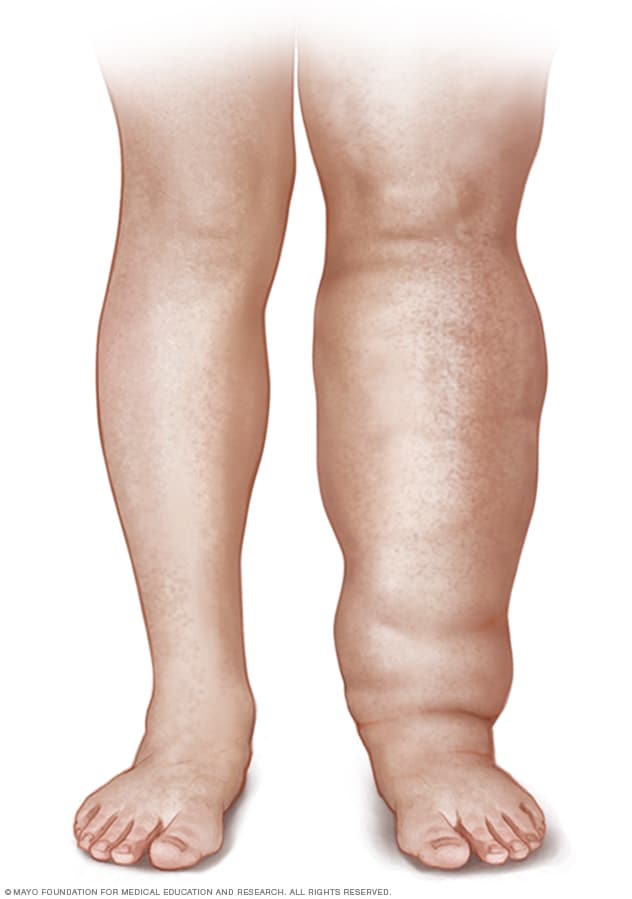
lymphedema
ConditionWikipedia
25
MENTIONS
7
EPISODES
7
PODCASTS
Search complete. 25 mentions across 7 episodes found for "lymphedema".
Oct 29, 2026

Eric WestmanGUEST
I mean, that's gratifying work.
Eric WestmanGUEST
Lymphedema, lipidemia, you read there's nothing for that.
Eric WestmanGUEST
Well, I'm giving a talk at the lymphedema meeting back here in Denver this spring on how this works for that.
Eric WestmanGUEST
Post bariatric surgery, weight gain.

Minnie Cruz-TolentinoGUEST
Okay.
Minnie Cruz-TolentinoGUEST
Lymphedema, which is sometimes symmetric and it's hormonally driven.
Minnie Cruz-TolentinoGUEST
So in terms of my history taking for patients, you know, I try to figure out when maybe this was triggered or flared.
Minnie Cruz-TolentinoGUEST
I don't know the exact word.
Minnie Cruz-TolentinoGUEST
Staging is actually progression, right? So you got stage one, two, three, not controversial, but not, some people have lipolymphedema because at that stage where you have obesity, lipodema, lipodema, lymphedema kind of coexist.
Minnie Cruz-TolentinoGUEST
You have dysfunction of your lymphatic system already.
Minnie Cruz-TolentinoGUEST
Lymphedema sets in.
Minnie Cruz-TolentinoGUEST
And some people would call it stage four.

Rachael EnglishHOST
Eleanor Burnhill has this report.
Melanie HudsonSOUNDBITE_SPEAKER
Lymphedema, I had never heard of it until I was told I had it, basically.
Eleanor BurnhillCORRESPONDENT
Melanie Hudson lives in County Roscommon with her dog, Maisie.
Eleanor BurnhillCORRESPONDENT
Having survived breast cancer, she's now living with lymphedema, a debilitating and chronic condition that has caused her right arm to swell, making daily tasks more difficult.
Eleanor BurnhillCORRESPONDENT
The Irish Cancer Society says more of these clinics nationwide could be funded at a cost of €8 million annually.
Eleanor BurnhillCORRESPONDENT
Lisa Lockney is their survivorship manager.
Lisa LockneySOUNDBITE_SPEAKER
Lymphedema is a real frequent complaint for people after cancer treatment, mainly surgery and radiation.
Lisa LockneySOUNDBITE_SPEAKER
It can damage the lymph area and therefore slow down its movement.

AmandaHOST
Jennifer is a registered massage therapist and a certified...
AmandaHOST
Lymphedema therapist, did I say that
MarkHOST
right?
AmandaHOST
Yeah, I literally just asked her and I had to check in again.

JoelHOST
Then we'll start you off kind of easy here.
JoelHOST
When you say the word lymphedema, what is lymphedema?
Lauren CoxGUEST
Lymphedema is swelling that occurs when the lymphatic system isn't able to move fluid through the body as effectively as it should.
Lauren CoxGUEST
This fluid can build up in areas such as arms, legs, face, and abdomen.
Lauren CoxGUEST
People may notice swelling, a feeling of heaviness or tightness, discomfort, or changes in their skin.
Lauren CoxGUEST
Lymphedema can develop gradually and typically starts in the lower or more distal parts of the limb before progressing upwards.
Lauren CoxGUEST
That's why Recognizing early signs is important.
Lauren CoxGUEST
Lymphedema therapy may support patients with chronic venous insufficiency, which is damage to veins that can cause swelling, primary lymphedema or cancer-related lymphedema.

Namaste AndersonGUEST
I was a mom of young kids, and that's what I was doing.
Namaste AndersonGUEST
We moved to Nashville 20 years ago, and probably about three or four years after we moved here, I was diagnosed with a condition called lymphedema.
Namaste AndersonGUEST
Lymphedema is often a side effect from surgery and treatments.
Namaste AndersonGUEST
Um, it means that essentially my arm swells.
Namaste AndersonGUEST
Uh, my, the surgical arm swells, and that requires, uh, compression bandaging and going to PT and doing all this stuff.

Ruth WernerHOST
I've recently had the pleasure of making an acquaintance with a massage therapy practitioner who has lots of these kinds of stories, and I'm going back to that well for today.
Ruth WernerHOST
This story describes a situation that begins with a pathology, specifically lymphedema, but ends with a deeper ethical question about boundaries and what happens when a client says yes, but our education and our instincts say, "No, no, no." So listen on for more.
Ruth WernerHOST
Here's the letter.
Ruth WernerHOST
"I have a client who has a complex medical history, including breast cancer with bilateral mastectomy and lymph node removal, along with numerous other surgeries.
Ruth WernerHOST
Because of the lymph node removal and the associated risk of lymphedema, my training and our clinic policies consider cupping contraindicated for her, particularly on the upper body and upper extremities.
Ruth WernerHOST
The concern, as I was taught, is that deliberately stimulating increases in lymph flow would place too great a burden on any remaining lymph nodes that are already overburdened.
Ruth WernerHOST
Over the years, both I and other therapists on my team have consistently declined to provide cupping for this client, and we have explained the rationale behind that decision.
Ruth WernerHOST
I am pretty sure that this practitioner is not the only person who has run into situations like this, and it's always extra ironic when the person who's pushing boundaries, frankly, should know better.