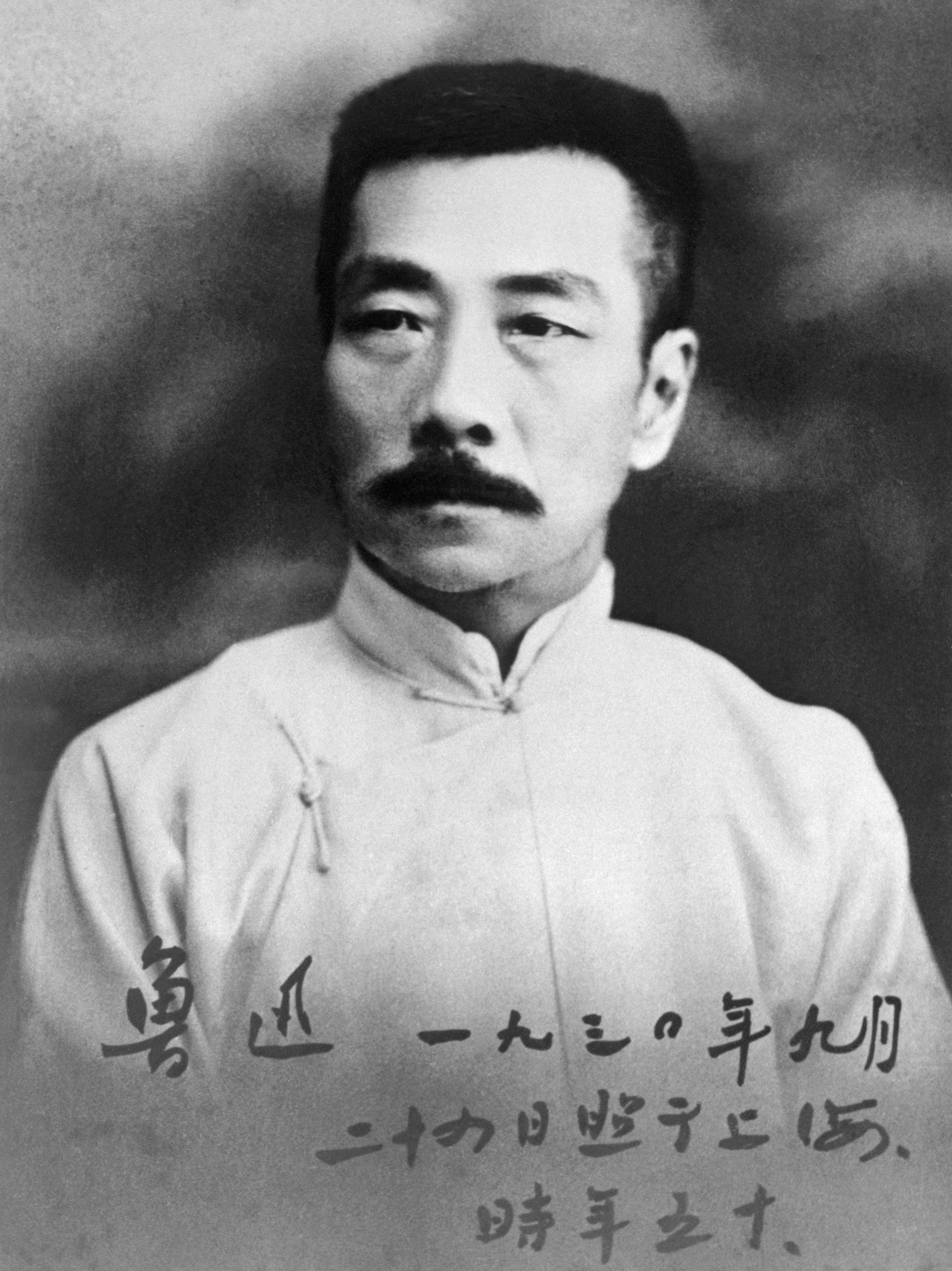
Lu Xun
Chinese writerWikipedia
15
MENTIONS
7
EPISODES
7
PODCASTS
Search complete. 15 mentions across 7 episodes found for "Lu Xun".
Sep 17, 2026

DJ SnakeGUEST
Yeah? Being young, for me, Louboyas was the technical guy, he made us vibrate, etc.
DJ SnakeGUEST
There was also a lot of hope in 2000, with Dalmat, Anelka, Luxun, etc.
DJ SnakeGUEST
This project there, I was telling myself, this project, Île-de-France, it sold me dreams.
DJ SnakeGUEST
And

Nathan LambertGUEST
[chuckles]
Jordan SchneiderHOST
So I, I've been, I've been Lu Xun maxing-
Jasmine SunGUEST
Mm
Jordan SchneiderHOST
... of late.
Jasmine SunGUEST
Mm
Jordan SchneiderHOST
... um, just like hang out with the, the Chinese hoi polloi.
Jordan SchneiderHOST
But, um, Lu Xun, who I've not spent enough time with, um, been working my way through "Morning Blossoms Gathered at Dusk," which is kind of like a memoir, like an essay collection memoir of sorts talking about his, um- ... early life bringing up.
Jordan SchneiderHOST
And he is giving this, um, you know, critique of old China.

Mark CsikszentmihalyiGUEST
But there's considerable agreement on certain aspects of them.
Mark CsikszentmihalyiGUEST
When I first kind of, the outline of his life is that he grew up in the old state of Lu during the Zhou period.
Mark CsikszentmihalyiGUEST
So he was born around, traditionally born 551 BCE and then died 479 BCE.
Mark CsikszentmihalyiGUEST
And much of what we know is from a book called The Analects, where he has these dialogues with either disciples, people he's teaching, or different kind of rulers of different areas, first of the state of Lu.
Mark CsikszentmihalyiGUEST
But then later in his life, he kind of wanders looking for someone who is going to kind of accept his teachings.
Mark CsikszentmihalyiGUEST
And a lot of the portrayals of him and later kind of sources portray him as somewhat of a tragic figure in that he never actually finds that person that really appreciates him for what he is.
37 MINS LATER
Mark CsikszentmihalyiGUEST
Right.
Mark CsikszentmihalyiGUEST
And in my...

张之琪HOST
因为齐然之前也跟我讲说,其实你今年也读了,呃,一个乌克兰女作家的一个作品。 这个女作家其实对于[嗯]可能很多中国的读者来说,其实是一个比较陌生的名字。 Um,但是你可能从这个阅读当中也获得了很多疗愈也好,很多希望也好,就是她,她在19世纪对于未来的那种想象,其实对于今天这样一个我们刚才讲已经不再想象胜利,不再想象未来的一种战争,其实是有一些安慰和鼓励人的作用的。我觉得我们今天聊了很长时间关于战争相对沉重的话题,我们在结尾齐然能不能通过给我们介绍这个女作家的作品,稍微有一个光明一点的结尾。
齐然GUEST
也不见得多光明吧。但是我是今年其实很凑巧地读到了,就是我自己在去乌克兰之前读了一点19世纪的乌托邦文学,然后突然间发现有一个很著名的乌克兰女作家,她叫做Lesia Ukrainka,呃,中文翻译应该叫做莱西亚乌克兰卡。她是,呃,一个19世纪末1840年、50年左右出生的人,然后一直到,呃,20世纪初,就是在她差不多跟陀尔斯泰差不多同时间去世的,1912年、13年这个时候去世的。她是被定义为乌克兰历史上最伟大的女作家,就是乌克兰那种民族文学的一个,一个人物。大家知道,就说苏联的加盟共和国,其实每个共和国都要被苏联设置一个它的,呃,文学人物,比如说什么哈萨克斯坦有这个阿拜·库南巴耶夫啊这样子,然后在乌克兰呢,就是有个叫做三大家的设置,[嗯]分别是他们的这种民族诗人塔拉斯·舍夫琴科,还有另外一个是他的西乌就是一直没有被俄罗斯统治的那一块的这个利沃夫当地的这个大文豪,类似于这个乌克兰的鲁迅,呃,伊万·弗兰科。还有一个就是这个,呃,莱西亚乌克兰卡,她最有名的是诗歌和她的戏剧。那么我一开始读到她是通过她的散文读到的,[嗯]她还写了很多关于评论19世纪的乌托邦文学的文学评论、文论。我当时我读到了就觉得,诶,挺有意思的,然后就开始看她的东西。她为什么去读乌托邦文学,我觉得也是很值得讲的一件事情,就是说19世纪末其实是一个非常非常残酷的时代,但是实际上如果相比今天的话,我觉得19世纪末的人对于未来的想象反而还是很多的。当然那个时候大家会觉得未来只要科技发达了,一切都好。我们今天会觉得科技发达了,一切都会完蛋了,对吧?我们肯定是一个科技迪托邦。但那个时候的人是觉得科技好了之后,我们还是有更多的东西可以做的。所以19世纪末不光是欧洲人,中国人也在写乌托邦文学,对吧。康有为写大同书也在那个时候写的。莱西亚其实也在那样的一个语境里面,就是说虽然今天这个社会像ruin,像废墟一样,但是我们还是要看到未来能够实现什么。但是莱西亚很有意思的一点是在于她对当时的乌托邦文学特别不满意,她的整个的一个文集叫做《文学中的乌托邦》,其实是在批判乌托邦文学的。她说你们这些乌托邦文学,无论是美国的、俄国的,你们都是在想象人到了21世纪之后过一个什么19世纪的生活。比如说美国当时有个特别重要的乌托邦文学,是一个叫做贝拉米的记者写,这个说商务之前还出国,叫做《回顾》。是讲一个,呃,美国人,这个不小心沉睡了之后,一百年之后看到美国当时的情况,[嗯]这个乌托邦可能跟今天的我们看到的有些东西有点像,比如说那个时候的人都不用自己去商店买东西了,都是快递的,[嗯]然后这个,呃,东西都是量物为出,然后国家给每个人发消费券,然后你就拿着消费券去买,其实很像什么这种全民基本收入。但是莱西亚就对这个贝拉米的这个东西就很不满意,她说你这里面的男的跑到未来还是跟现在一样的,去讨女生的欢迎,去谈这个恋爱,里面这个男主角还是要去找自己当年的这个女朋友的什么孙女去谈恋爱。你们对亲密关系的理解,你们对人与人之间关系的理解,你们对人可以有一种什么样新的这种人的心智状态的理解,全都是没有想象力的。[嗯]我觉得这其实可能也反映在我们最后20世纪的乌托邦的实践中间就出了各种各样的这方面的问题,因为尤其是比如说斯大林,其实就会想把人的心智拉回到19世纪的状态。所以我觉得莱西亚读她的时候,你会感觉到她很多东西是针对20世纪乃至21世纪写的。所以乌克兰人我把她叫做女先知,我觉得也挺,也挺有道理的,而且我是觉得她的文学反而挺适合今天读的。[嗯]乌克兰不是一个因为被欺负了,或者因为被打压了,就只停留在一个道义上正确,然后停留在一个很悲惨的地方的一个民族,一个群体,她有她的极其伟大的文学家,有她极其伟大的对社会的想象,而且她不是说只是对她自己有用。所以我觉得这十几年在乌克兰,就是读莱西亚的时候,我觉得能得到一个很大的一种,不叫做疗愈吧,但是你读她的东西是能够让你觉得我们不是什么都做不了的,我们还能想一些东西和去讨论一些东西。我觉得一种言说一个好的东西是重要的,而我们今天可能缺少的是这个能力。
张之琪HOST
今天特别感谢齐然,其实齐然之前来过我们节目几次,但这是我们第一次在线下面对面的-
齐然GUEST
是的。

Andrew M. HenryHOST
They described it as something that was holding China back, preventing progress and leaving it open to European imperialism.
Andrew M. HenryHOST
One of the most famous critics was the writer Lu Xun, often considered the father of modern Chinese literature.
Andrew M. HenryHOST
In his 1918 story, Diary of a Madman, he equated Confucianism to cannibalism, with the strong literally devouring the weak while spouting the high-minded moralistic language of Confucianism.
Andrew M. HenryHOST
Lu Xun doubled down on this critique in another of his stories, Kong Yiji.
Andrew M. HenryHOST
The title character, Kong Yiji, is a would-be Confucian scholar who is portrayed as pathetic, pedantic, impoverished, and completely out of step with the modern world.
Andrew M. HenryHOST
By the end of the story, he's beaten so badly he dies, a pretty blunt metaphor for Lu's opinion on Confucianism in early 20th century China.

Ondřej KlimešGUEST
So founding the CCP was one of the outcomes of the Chinese intellectuals' preoccupation with how to change the thinking of the Chinese people.
Ondřej KlimešGUEST
You know, we can mention Lu Xun's motivation of becoming a writer as opposed to medical doctor.
Ondřej KlimešGUEST
Uh, we can also mention Liang Qichao, who wrote extensively about creating a new citizen.
Ondřej KlimešGUEST
So this is one of the places where this traditional Chinese thinking about cultivating human beings and the rule by civility and culture comes together or rhymes well with the communist original intent of trying to create a new man imbued with new socialist values, new thinking, new ethnic identity, et cetera.

Ondřej KlimešGUEST
So founding the CCP was one of the outcomes of the Chinese intellectuals' preoccupation with how to change the thinking of the Chinese people.
Ondřej KlimešGUEST
You know, we can mention Lu Xun's motivation of becoming a writer as opposed to medical doctor.
Ondřej KlimešGUEST
Uh, we can also mention Liang Qichao, who wrote extensively about creating a new citizen.
Ondřej KlimešGUEST
So this is one of the places where this traditional Chinese thinking about cultivating human beings and the rule by civility and culture comes together or rhymes well with the communist original intent of trying to create a new man imbued with new socialist values, new thinking, new ethnic identity, et cetera.