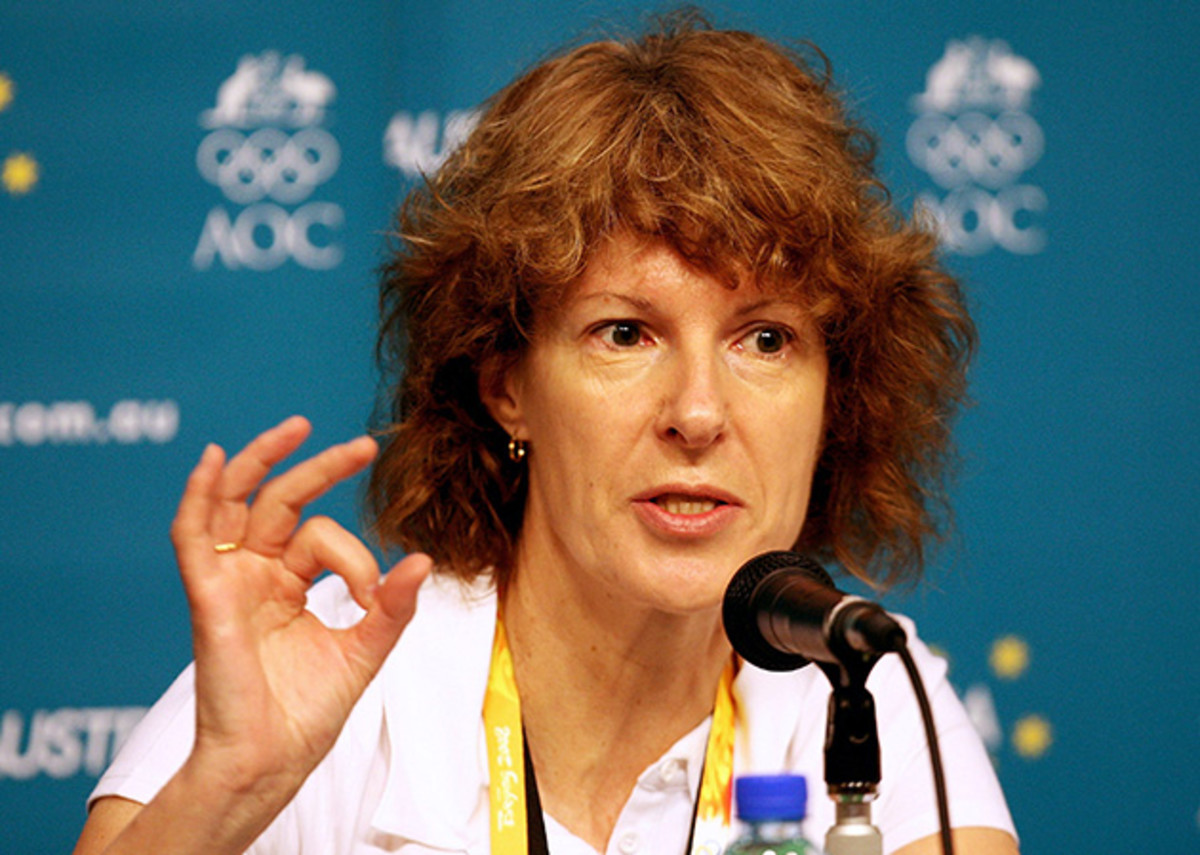
Louise Burke
Researcher
3
APPEARANCES
3
PODCASTS
Sep 18, 2026

speaker_0NARRATOR
Yeah.

Louise BurkeGUEST
They have, they have those insights and sometimes they know things before you do.
Louise BurkeGUEST
But, you know, sometimes it's, just being able to hang out with the athletes and coaches gives you that little spark of an idea that you might go back and play around with and put it into sort of a more science-based investigative context and then sort of refine it and come back.
Louise BurkeGUEST
I mean, lots of times you look at those anecdotes and they're absolutely nonsense.
18 MINS LATER

Marc BubbsHOST
And so for, again, for a practitioner and athlete, how do you sort of describe that idea of periodizing carbohydrate to be able to get some potential beneficial adaptations from some of those low periods, but also fueling up to be able to compete?


Louise BurkeGUEST
Which, you know, like at one level it, it shows me that they've thought about things and they're prepared, so I congratulate them on that.
Louise BurkeGUEST
But, you know, sometimes that is a distraction because it's not as much as they really needed to be having and, um, you know, maybe they could have used the same resources and mental, uh, focus on doing something was a bit more important.
Louise BurkeGUEST
But, um, the other thing I think's really important is connecting to food and understanding that nutrition, nutrients come in food form, and that there's both a matrix in which we eat food that adds to the characteristics of, of the nutrients and improves them mostly.
Louise BurkeGUEST
But also the enjoyment and the cultural, um, environment in which we eat food, you know, contributes to our wellbeing.
Louise BurkeGUEST
And so I'm really, um, strong on trying to make people connect with food rather than trying to break it up into macros or-
22 MINS LATER


Stuart PhillipsHOST
Did we call the nail in the coffin too soon? Can you walk us through why you wrote that and sort of what was the genesis of that statement and why, you know, all of a sudden fats maybe were okay again?
Louise BurkeGUEST
Yes, so the 60s and the 70s were very carb focused and in the 80s we started to think about personalising and periodising, but it probably wasn't until the 90s that that really took off and we started to think about every athlete and every sport having different requirements and every different type of training session having different requirements.
Louise BurkeGUEST
But one of the things we started thinking about was that if you're doing long periods sports the amount of carbohydrate that your body stores at any one time it has to have a lot of help to be able to replace that on a day-to-day basis to meet those fuel requirements and that's a lot of sort of commitment to being able to understanding how much carb you need and then having some before during in between sessions so Given that you've got a lot more body fat that has a higher energy content than the amount of carbohydrate that you can store in the body, people started thinking, well, why don't we just get better at using the fat that we've already got? Even the leanest of athletes has got more body fat and even just the fat stored inside the muscle, the intramuscular triglycerides.
Louise BurkeGUEST
So why don't we use more of that than having to just keep topping up carbohydrate all the time? And you can...
Louise BurkeGUEST
This is one of the wonderful things about our muscles and our body in general, that you can train it to do things and change how good it is at one thing just simply by repeating the stimulus.
Louise BurkeGUEST
And so if you have a high-fat diet with low carbohydrate intake, you can train the muscle to get used to that dual stimulus.
11 MINS LATER
Martin GibalaHOST
You know, could you just take us through like what happened to these athletes?