lipopolysaccharide
238
MENTIONS
52
EPISODES
46
PODCASTS
Search complete. 238 mentions across 52 episodes found for "lipopolysaccharide".
Sep 11, 2026

Myriah HincheyGUEST
And then the second piece is coming in with binders.
Myriah HincheyGUEST
So coming in and actually binding physically the LPS or the endotoxins from the dying organism so that we can pull them out of the body.
Myriah HincheyGUEST
And so a lot of that has to do with being able to secrete bile, which you need choline and a bitter stimulus for, and then the bile binds the fat-soluble toxins, and then we need the binders to bind the bile, and that's how we get them out of the body.
Myriah HincheyGUEST
And I'm not one that uses or recommends, and I know a lot of people disagree and that's just fine, but I do not recommend using heavy-duty binders.
18 MINS LATER
Rob SilvermanHOST
I took a leaky gut test.
Rob SilvermanHOST
I had candida.
Rob SilvermanHOST
I had LPS.
Rob SilvermanHOST
I was sick.

speaker_4HOST
Their peptidiglycan layer is incredibly thin, like just a lightweight sweater, keeping with the analogy.
speaker_5HOST
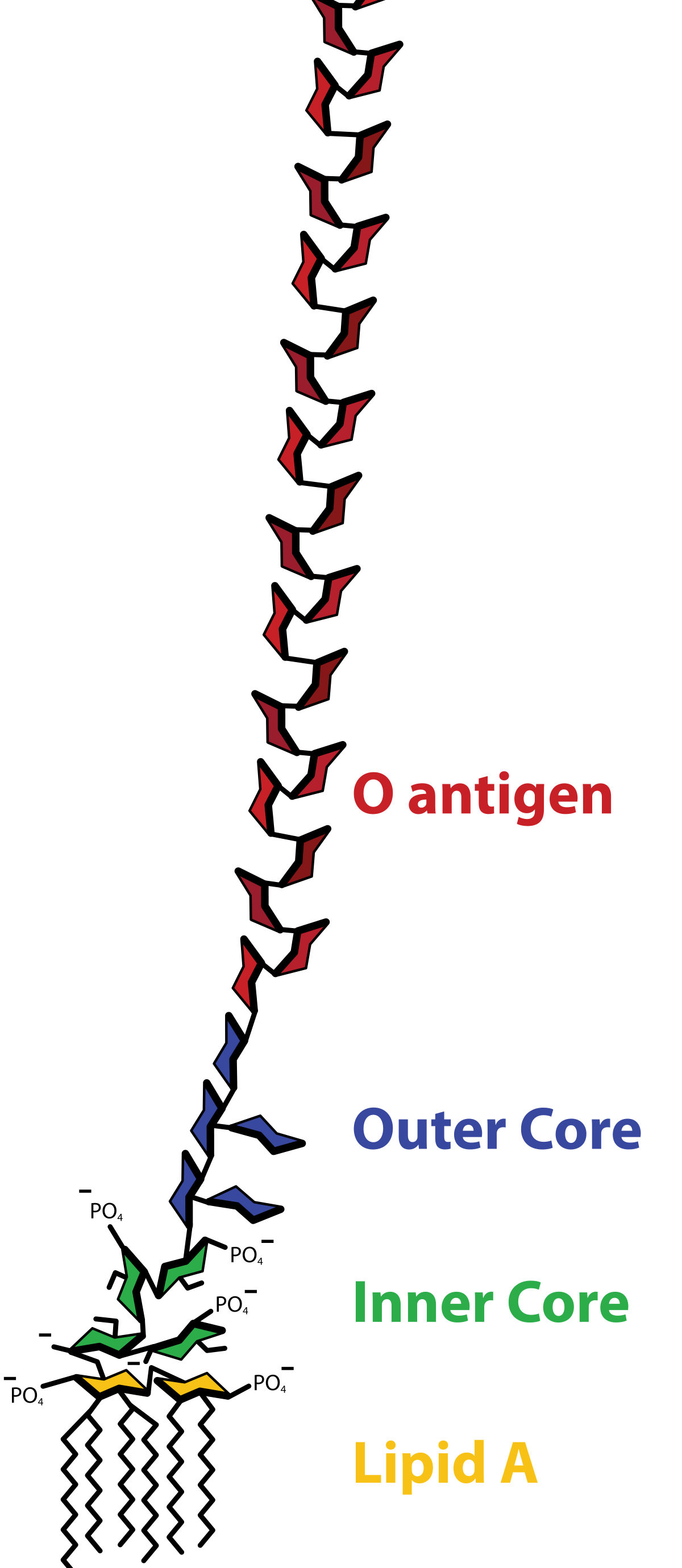
Yeah, but over that sweater, they synthesize an outer membrane primarily made of lipopolysaccharide or LPS.
speaker_4HOST
The raincoat.
speaker_5HOST
Exactly.
speaker_5HOST
The LPS layer is essentially a tough, highly selective, waterproof raincoat.
speaker_5HOST
It actively keeps toxic molecules out.
speaker_4HOST
So the clinical relevance of that LPS raincoat has to be massive because standard chemical attacks that would just chew through the exposed thick winter coat of a gram-positive cell.
speaker_5HOST
Like the enzyme lysozyme or penicillin.

A. Leslie MorrowGUEST
It blocks activation of the TLR4 pathway.
A. Leslie MorrowGUEST
So if LPS leaks from the gut into the bloodstream and is trying to activate the TLR4 pathway, pregnenolone can block that directly.
A. Leslie MorrowGUEST
And pregnenolone is available over-the-counter.
A. Leslie MorrowGUEST
Again, you want to look for a reputable drug a place to get it.

Tyna MooreHOST
... and significant improvements in SIBO with exercise.
Tyna MooreHOST
And then I was looking even more granular to, like, lipopolysaccharides that, you know, that's not great when your bugs, gut bugs are secreting a ton of LPS, and that's happening a lot in SIBO, which is the great irony of high-dose GLP-1s, is 'cause they are literally, in many cases, there's a very high incidence of induction of SIBO, which secretes LPS, which drives obesity and type 2 diabetes.
Tyna MooreHOST
So they're driving the process through their poor gut health that the drug they're taking is supposed to be treating.
Tyna MooreHOST
It's, like, very ironic and, and messy, but these are the weird things I think about.
Tyna MooreHOST
But I was looking at LPS and exercise.
Kellyn MilaniGUEST
Mm-hmm.
Tyna MooreHOST
Profound.

Alex AaronGUEST
We store them in Austin, Texas, and we test them rigorously.
Alex AaronGUEST
Endotoxin, fentanyl, purity, identity, every single batch.
Alex AaronGUEST
We put a batch through four weeks ago.
Alex AaronGUEST
So it's expensive for us to do, but...

Eddie RomoGUEST
You know, I was so fixed on this specific bacterial strain, leaky gut, endotoxin, and I'm glad I was because I really got to, to understand it well.
Eddie RomoGUEST
But I'm now understanding much more about that it's not just the LPS, this, this Gram-negative bacteria that I'm focused on that is causing-
Betty MurrayHOST
Mm-hmm
Eddie RomoGUEST
... inflammation.

Stacey RobertsGUEST
And when that happens, different small food particles can get into the bloodstream that shouldn't be there, and the body has an immune response to that to try to get rid of it.
Stacey RobertsGUEST
But if that's happening over and over, that could be a big problem with inflammation or or a substance called lipopolysaccharides, LPS, can get into the system from the gut.
Stacey RobertsGUEST
It's not really supposed to be there.
Stacey RobertsGUEST
We have a minimal amount in our system, but when that becomes elevated, that can get into the joints, that can get into the muscles, that can even cross the blood-brain barrier and cause issues with depression, anxiety, brain fog, as you talked about.
Diane CarboHOST
But can you explain the connection between gut health and the symptoms, especially brain fog and inflammation?
Stacey RobertsGUEST
Sure, absolutely.
Stacey RobertsGUEST
So if your gut, like I was saying before, if you have a leaky gut or increased intestinal permeability, then these substances are getting into your system that are not meant to be in your system and can settle, like that LPS can settle in certain areas.
Stacey RobertsGUEST
Like LPS, it crosses the blood-brain barrier and that can contribute to brain fog, but just general inflammation.

Eddie RomoGUEST
You know, I was so fixed on this specific bacterial strain, leaky gut, endotoxin, and I'm glad I was, because I really got to, to understand it well.
Eddie RomoGUEST
But I'm now understanding much more about that it's not just the LPS, this, this Gram-negative bacteria that I'm focused on, that is causing-
Betty MurrayHOST
Mm-hmm
Eddie RomoGUEST
... inflammation.

Rangan ChatterjeeHOST
But that's one of the ways.
Rangan ChatterjeeHOST
I, I really want to talk about lipopolysaccharide, or LPS, and inflammation.
Rangan ChatterjeeHOST
Those two things, of course, are tightly linked together, but how does that fit into this story?
Will BulsiewiczGUEST
So within, within the gut microbiome, they, uh, again, they're just like us.
10 MINS LATER
Rangan ChatterjeeHOST
Because if you've got a good, well-marshaled gut barrier, okay, this lipopolysaccharide, that is, is normal to be there in your gut.
Rangan ChatterjeeHOST
I think, you know, we're just making that clear.
Rangan ChatterjeeHOST
It's not a problem that you've got LPS on those gram-negative bacteria in your gut.
Rangan ChatterjeeHOST
That's not the problem.

Pramod GargGUEST
A couple of studies had shown earlier that some bacteria may produce certain products.
Pramod GargGUEST
For example, LPS.
Pramod GargGUEST
which is a known molecule which incites inflammatory reactions.
Pramod GargGUEST
So LPS is something which is there if you have infection in the bloodstream, and it can cause inflammation.
Pramod GargGUEST
In an animal model done many, many years ago, they had shown that if you feed animals with mice, for example, with alcohol, they don't develop chronic pancreatitis.
Pramod GargGUEST
But if you feed the mice with LPS and alcohol, they develop chronic pancreatitis.
Pramod GargGUEST
So it is possible that many of these bacterial products may affect rather negatively or sometimes even positively the pancreatic cells and pancreatic microenvironment to cause the disease.
Pramod GargGUEST
But I think let's admit as pancreatic researchers that our understanding is rather limited in this regard.
42 more episodes mention lipopolysaccharide.
Create an account to see the whole feed, search across every transcript, and follow the entities you care about.