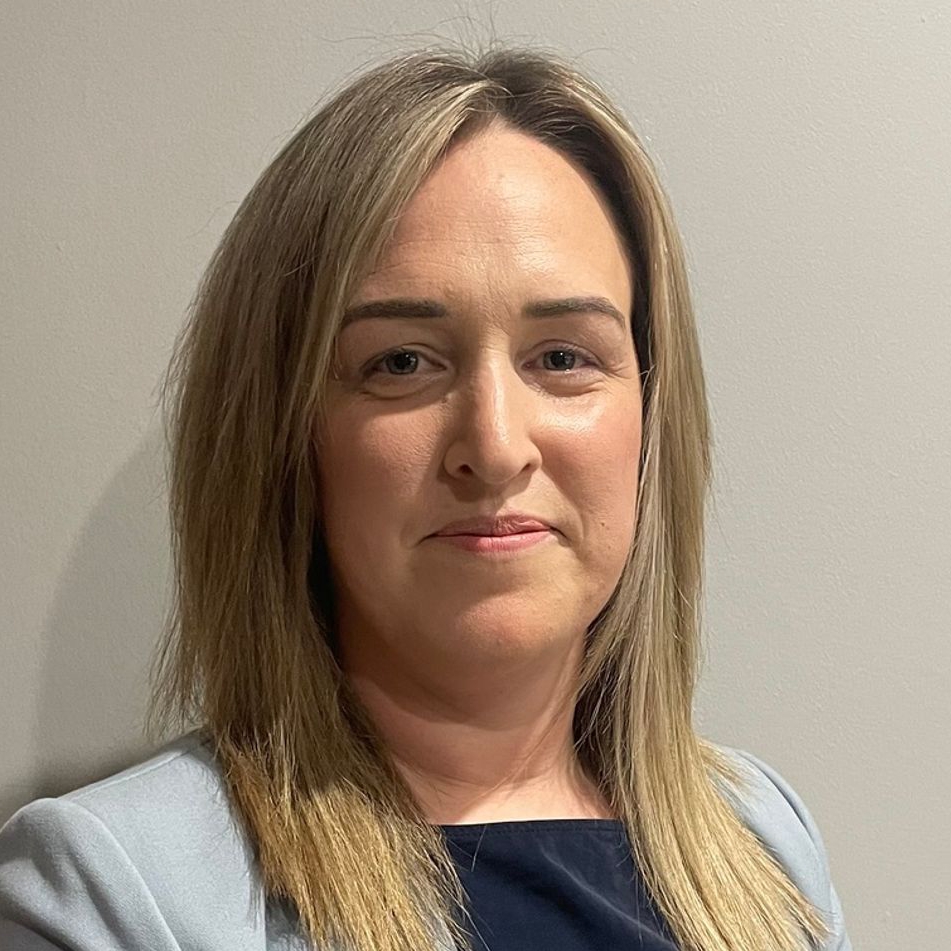
Leanne Davey
Organizational psychologist, New York Times bestselling author, and team effectiveness advisor known for her book You First and the concept of thoughtload.
3
APPEARANCES
3
PODCASTS
Jul 29, 2026

JohnHOST
And when you work with executives on the energy denominator, as you described it, what kind of things come up?

Leanne DaveyGUEST
So first, I use the silly story in the book of being a noble knight on a quest and trying to understand your quest.
Leanne DaveyGUEST
And so when it comes to energy, I'm like, every knight needs to fill their chalice.
JohnHOST
Where do you recharge? How do you practice that yourself?


Fred GattyHOST
What are some of the biggest ways? that organizations unintentionally create overload? I mean, we've talked about some of them, but not necessarily by assigning more work, but creating more of the mental drag that we're experiencing these days in the workplace.
Leanne DaveyGUEST
The biggest one I'm really keyed in on at the moment is cross-functional teams and matrix organizations.
Leanne DaveyGUEST
And yet, when I look at how now cross-functional teams are the answer to everything, everything in an organization, it's run amok.
7 MINS LATER
Fred GattyHOST
I guess that's why they call you the teamwork doctor, right? What are the strongest teams, Leanne, do to protect clarity, reduce friction and keep their people from drowning and all the noise?

Mahan TavakoliHOST
For executives listening, how can they reduce the burden of that thought load?
Leanne DaveyGUEST
So let's take the three in order, right? So we've talked a lot about the cognitive demands.
Leanne DaveyGUEST
The most important thing an executive can do to reduce cognitive demands is focus on a priority outcome.
Leanne DaveyGUEST
And when I say priority, the word priority comes from the Latin that means first.
Leanne DaveyGUEST
And we had the word priority in the English language for 400 years without it being pluralized because you can't have more than one first, right? And at some point, probably some consultant somewhere decided we could have priorities and totally shifted the meaning to a priority is something important, not something first.
18 MINS LATER
Mahan TavakoliHOST
I would love to know your thoughts on its impact on thought load and how we can view it and manage it from that perspective.