Lactobacillus
BacteriaWikipedia
104
MENTIONS
40
EPISODES
38
PODCASTS
Search complete. 104 mentions across 40 episodes found for "Lactobacillus".
Oct 28, 2026

Lauren VogelbaumHOST
The microbes also produce heat, which can reach 122 Fahrenheit or 50 Celsius, and is enough to kill the plant embryo and basically any unwanted microorganisms.
Lauren VogelbaumHOST
Among the wanted microorganisms are Saccharomyces cerevisiae, which is the same species that brewers and bakers use for beer and bread, and various species of Lactobacillus, aka lactic acid bacteria.
Lauren VogelbaumHOST
The yeasts help break down the pectin covering the seeds, which lets two bitter compounds leak out and allows the alcohol created by the yeasts to seep in, along with all kinds of flavor compounds that are also excreted by the microbes.
Lauren VogelbaumHOST
You want to stop the process before microbes begin growing in or on the beans instead of just the pulp, because those bacteria and fungi can break down some of the fats in the beans and cause weird, off flavors.

Charlotte-Eve ShortGUEST
And in terms of the vagina, there are a number of different strains that are considered to be the optimal strains.
Charlotte-Eve ShortGUEST
In terms of the ones that have the most evidence, Lactobacillus crispartus is considered to be the golden Lactobacillus species, but there are others that have been shown to have some evidence behind them.
Charlotte-Eve ShortGUEST
And the others that you might read are things like Lactobacillus gasseri, Lactobacillus astophilus, Lactobacillus ruteri and rhamnosus.
Jackie LynchHOST
Okay, great.
Jackie LynchHOST
So if you're looking at labels, those would be the ones to be looking at if you're wanting to do a little bit of extra support for yourself.

Dan GublerHOST
Some kefir grain lineages have been propagated this way for generations, which means the microbes inside have been evolving in their own little world the whole time.
Dan GublerHOST
What lives in a kefir grain? Typically, lactid acid bacteria dominate, especially lactobacillus species like Lactobacillus caferinificiens and Lenta lactobacillus caferi, along with Lactococcus, Leukostoke, and acetic acid bacteria like Acetobacter.
Dan GublerHOST
Then there are yeasts, often Saccharomyces and Cluveromyces.
Dan GublerHOST
That bacteria plus yeast partnership is what makes kefir different from yogurt.

Julia MalkowskiGUEST
If you think of them as a symphony, you need all of the instruments playing, but some of them are contributing greater than maybe the tambourine in the background.
Julia MalkowskiGUEST
So the keystone bacteria are bacteria such as Bifidobacterium, Lactobacillus, Fecal bacteria and protein C.I. And I would say another one that we find is kind of punches over its weight is acromantia muciniphila.
Julia MalkowskiGUEST
It's not as abundant as the others, but it's really integral to the mucosal barrier.
Julia MalkowskiGUEST
And so that's really important for health outcomes.
Julia MalkowskiGUEST
You can, like you mentioned, support these through probiotics, especially lacto and bifido.
Julia MalkowskiGUEST
But fecal bacterium pertinensiae doesn't have a probiotic now.
Julia MalkowskiGUEST
Acromantia is now newly available as a probiotic, but we can also think about what feeds these bacteria, right? Lactobacillus really likes polyphenols.
Julia MalkowskiGUEST
Bifido really likes polyphenols.

Anna CabecaGUEST
So the most common and beneficial bacteria for the vagina are these strains.
Anna CabecaGUEST
Lactobacillus crispatus, lactobacillus jenseni, lactobacillus gasseri, and lactobacillus iners, as well as lactobacillus rhamnosus.
Anna CabecaGUEST
So those five key strains are really beneficial.
Anna CabecaGUEST
And lo and behold, those strains are important to the bladder.

Matt PowersGUEST
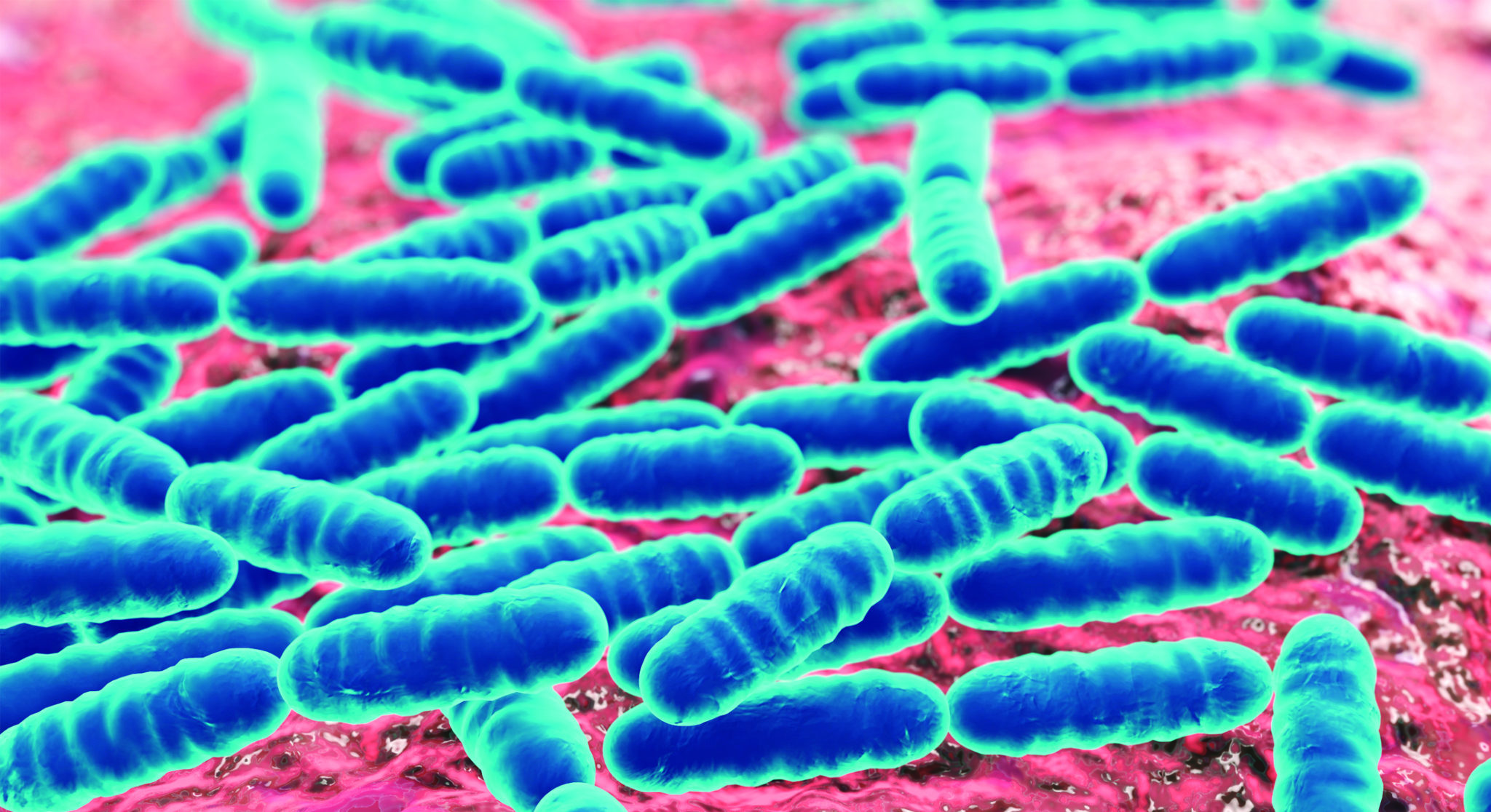
This is lactobacillus.
Matt PowersGUEST
People call it lab.
Matt PowersGUEST
Lactobacillus is the long rod bacteria that's safe, that's in all our ferments.
Matt PowersGUEST
It's one of the things that makes the lactic acid that makes it so that the ferment stays under biocontrol and stays safe.
Jennifer GuliziaHOST
Okay.

Steven WrightGUEST
If they don't break it down, it tends to ferment and it tends to cause dysbiosis and it grows species that we don't want.
Steven WrightGUEST
So many of you have probably heard of lactobacillus.
Steven WrightGUEST
Lactobacillus are a big genius of, it's a big part of our gut.
Steven WrightGUEST
Basically, it's a big, important keystone species.
Steven WrightGUEST
Sometimes they're kind of demonized.
Steven WrightGUEST
Everybody needs to live in harmony.
Steven WrightGUEST
People who have gas, there are plenty of studies that show if you take a enzyme called alpha-galactidase and the people who really... commercialized this at first, and most people have heard of it, is Beano.
Steven WrightGUEST
So Beano is this enzyme right here that the Lactobacillus species make.

Nat KringoudisHOST
It's probably something you want to know, especially if you are having any challenges down there.
Nat KringoudisHOST
Lactobacillus bacteria helps to create and maintain the environment inside your vagina.
Nat KringoudisHOST
And it's one of the most important jobs it has is producing lactic acid.
Nat KringoudisHOST
So here's something that maybe a lot of you don't realize, but your vagina is actually supposed to be acidic.
Nat KringoudisHOST
It's probably something you want to know, especially if you are having any challenges down there.
Nat KringoudisHOST
Lactobacillus bacteria helps to create and maintain the environment inside your vagina.
Nat KringoudisHOST
And it's one of the most important jobs it has is producing lactic acid.
Nat KringoudisHOST
So here's something that maybe a lot of you don't realize, but your vagina is actually supposed to be acidic.

Alyssa Mary KalbererHOST
Yeah, such a good way of explaining.
Alyssa Mary KalbererHOST
So step one is to taking the probiotics, which is a wonderful, diverse blend of Bifidobacterium and Lactobacillus, which are needed commensal bacterias, good bacterias that every body needs, and these are protective bacterias.
Alyssa Mary KalbererHOST
These are anti-inflammatory bacterias.
Alyssa Mary KalbererHOST
These are wonderful bacterias that need to be in balance in our gut at all times, that are going to fluff up our microbiome, and then we need to feed them, so that's where you get your plant-based foods, fruits and veggies, and which can come in the form of supplements like the Juice Plus gummies and, and capsules.
Alyssa Mary KalbererHOST
It feeds the bifido and the lacto, and it also supports that end product, those short-chain fatty acids that we talk a lot about here at Gut, on Gut First, where you need those short-chain fatty acids to protect the gut lining.
Alyssa Mary KalbererHOST
The other two, chicory root fiber and acacia gum, again, are both soluble along with the fructooligosaccharides.
Alyssa Mary KalbererHOST
They quickly feed the bifido and the fermentable fuel so that the bacteria, the bifido and the Lactobacillus can, can grow and proliferate.
Alyssa Mary KalbererHOST
The acacia gum in particular actually helps in the distal colon, in the end portion of the colon, and is gentle on gas and bloating and, again, also supports the production of short-chain fatty acids.
30 more episodes mention Lactobacillus.
Create an account to see the whole feed, search across every transcript, and follow the entities you care about.