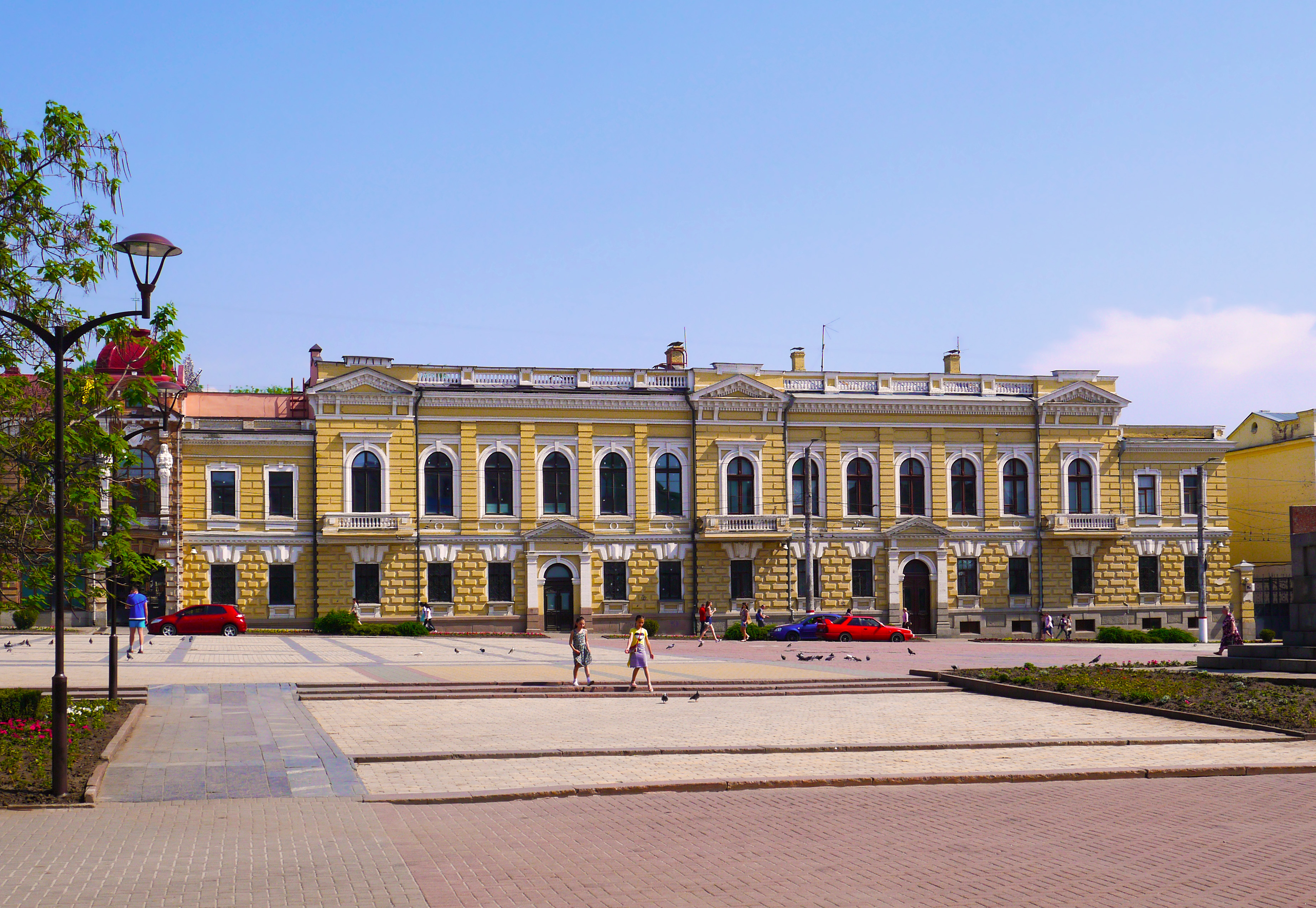
Kropyvnytskyi
City in UkraineWikipedia
3
MENTIONS
3
EPISODES
2
PODCASTS
Search complete. 3 mentions across 3 episodes found for "Kropyvnytskyi".
Sep 6, 2026

Matthew Raphael JohnsonGUEST
A whole bunch of cities in West Russia.
Pete QuiñonesHOST
Yeah, at Katerina Slav, Elizabethgrad, Oman, and many other towns and villages.
Pete QuiñonesHOST
The property of the Jews was most often destroyed but not looted.
Pete QuiñonesHOST
This is quoting, where the police and the army took energetic measures, the pogroms remained very limited and lasted only a short time.

William RamseyHOST
A minor rising at Kronstadt was suppressed in the same manner.
William RamseyHOST
At Bajeska, a conspiracy led to 500 or more arrests and 18 shootings, a conspiracy of ex-officers and kulaki in the Semireikin district to 48 shootings, and a conspiracy at Elizavetgrad to shootings of 55 out of 85 persons arrested.
William RamseyHOST
Next, the period arrived when Cossack refugees began to be compulsorily restored to their homes from overseas.
William RamseyHOST
They reached home to find not an amnesty, but punishment awaiting them.
William RamseyHOST
Particularly with regard to the large number of them held in Kharkov, Didkovsky, head of the local provincial Cheka, write, "The bourgeois viper will need to but to raise its head for hostages' heads to fall." And fall those hostages' heads did.
William RamseyHOST
At Elizabethgrad in 1921, thirty-six were executed because of the assassination of a single official of the local Cheka.
William RamseyHOST
We have confirmation of the fact, which was first made know- known through the instrumentality of Bertsev's journal, Obshchee Delo, The Common Cause, from an analogous items cited later in this work.
William RamseyHOST
In short, the saying "blood for blood" received wide practical application, and as early on as November 10th, 1918, we find Mr. H.B. Lockhart, British consul in Moscow, writing to Sir George Clark, "The Bolshevists have established the odious practice of hostage seizure.