Keystone Pipeline
388
MENTIONS
202
EPISODES
141
PODCASTS
Search complete. 388 mentions across 202 episodes found for "Keystone Pipeline".
Sep 12, 2026

Bruce RobertsonHOST
They're trying to wear down the public because everybody's frustrated and paying too much money at the gas pump.
Bruce RobertsonHOST
But they want to keep the narrative alive that how much things cost today versus back in 2020, while intentionally neglecting to report how much of this unaffordability occurred during the four years since 2020, since the 2020 elections Then when Joe Biden and the Democrats came into power and they started imposing unaffordable policies, they cut the supply chains, they cut the gasoline and, you know, the oil drilling contracts and the land leases and the Keystone Pipeline and all these other things.
Bruce RobertsonHOST
Why are we paying more at the pumps? It's not because of Iran.
Bruce RobertsonHOST
We don't use Iranian oil.
Bruce RobertsonHOST
Gas was $1.82 a gallon during the first Trump administration.
Bruce RobertsonHOST
It went as high as more than $5 a gallon during the Biden administration.
Bruce RobertsonHOST
You remember Biden canceled drilling contracts and Keystone Pipeline building.
Bruce RobertsonHOST
And as soon as he took office, and as I said, California has been blocking new oil refineries all along as part of the Green Energy New Deal.

Steve SkrovanHOST
In 2008, Corp Ethics joined Canadian advocacy groups that were engaged in the North American Tar Sands campaign.
Steve SkrovanHOST
The Keystone XL campaign also helped jumpstart a more aggressive climate movement in the United States, which challenged virtually all new oil production, transport, and refining infrastructure.
Steve SkrovanHOST
Marx chronicles this strategy in his new book, Reigning in the Bulls, How to Stop Corporate Abuse in an Age of Unbridled Greed.
Steve SkrovanHOST
As always, somewhere in the middle, we'll check in with our ubiquitous corporate crime reporter, Russell Mokhyber.

Brandon JulianHOST
Herman was a veteran of the U.S. Air Force and a sergeant in the Maryland Army National Guard.
Brandon JulianHOST
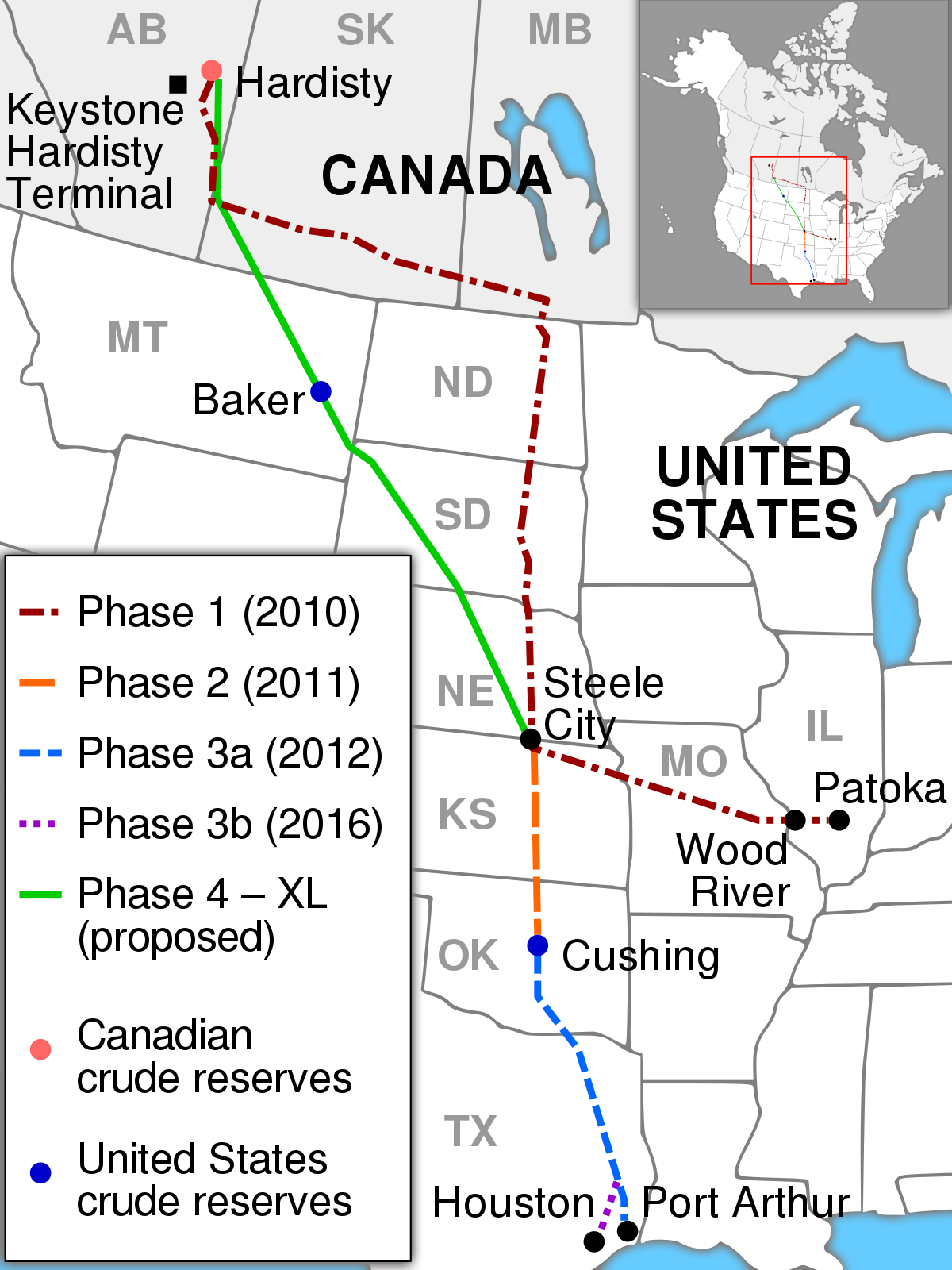
In other news tonight out of Lincoln, Nebraska, the developer of the Keystone XL pipeline is showering Nebraska public officials with campaign cash as it fights for regulatory approval in a state that is one of the last lines of resistance for the $8 billion project.
Brandon JulianHOST
A review by the Associated Press finds that a political action committee for TransCanada Incorporated has donated more than $65,000 to campaigns within the last year, mostly to Republican state lawmakers, the Nebraska GOP, and Governor Pete Ricketts.
Brandon JulianHOST
Pipeline opponents say the company's contributions show that it's trying to exert influence over the state's top elected officials at the expense of landowners who don't want the pipeline running through their property.

Rory JohnstonHOST
Our guest today is Rob Wilson, president of East Daily Analytics and savant of North American energy flows, as well as the infrastructure that supports them.
Rory JohnstonHOST
I wanted to have Rob on to talk about the bustling world of North American pipeline proposals, the emerging battle between commercial and strategic projects, and the latest symbolic resurrection of Keystone XL amidst the trade war between Washington and Ottawa that continues to boil over.
Rory JohnstonHOST
Rob Wilson, welcome to the Oil Ground Up podcast.
Rory JohnstonHOST
Thank you so much for joining us.
Rory JohnstonHOST
And the reason I had you on the first time I ran into your research, Rob, and it is fantastic.
Rory JohnstonHOST
I encourage everyone to check out both the company and they've got a sub stack as well, which is very, very good.
Rory JohnstonHOST
Um, I initially ran into you, I saw you quoted around Keystone XL because I was writing pieces last year about the zombie pipeline that refused to die.
Rory JohnstonHOST
And well, this year, once again, it's back in the news.

Rosemarie FalkGUEST
And we can have energy investment come back to Canada, right? This is part of that conversation of cutting the regulatory red tape, making things clearer so that investors know that they're not going to pour billions into permitting and getting everything ready and then having the government say, no, we don't approve this, right? So give some certainty to business.
Kurt PriceHOST
How excited were you when you, even when Donald Trump said, hey, we might bring back Keystone Pipeline?
Rosemarie FalkGUEST
Well, you know, it's so frustrating for me because I hear these rumors and rumors and rumors, and there's like these little glimmers of hopes, but I need to see it to believe it.
Rosemarie FalkGUEST
And I think a huge positive for me would be, okay, Mr. Carney, if you are serious about investment in Canada, remove these regulatory barriers like C-48 and C-69.

Jim CsekHOST
Because who...
Jim CsekHOST
The taxpayer's not paying for the, the new Keystone XL or the pipeline south, is it? It's, it's, it's companies are gonna pay for that line.
Heather Exner-PirotGUEST
Yeah.
Heather Exner-PirotGUEST
So this goes to the question, how do we re-convince investment community that Canada is a good and safe place to invest in? And obviously, trust was lost in the last decade under Trudeau.

Taylor JohnatakisHOST
Again, you don't build these factories overnight.
Taylor JohnatakisHOST
You could be halfway through a factory and the new president comes in, the new Congress, pulls the permit, just like the Keystone XL pipeline.
Taylor JohnatakisHOST
Oh, shoot.
Taylor JohnatakisHOST
Just like the Keystone XL pipeline.
Taylor JohnatakisHOST
So we want the seeds to grow.
Taylor JohnatakisHOST
Scott Besson reiterated the same thing.

Preston ScottHOST
You know, the low-hanging fruit that's out there for the GOP, the messaging that should have been going on in the four years that Joe Biden was in office to educate the American people why, you know, for example...
Preston ScottHOST
The moment he took office, he signed the bill killing the Keystone XL pipeline.
Preston ScottHOST
All he had to do, all the GOP had to do was start right then and there.
Preston ScottHOST
Running ads, infomercials, explaining why this was a bad idea for America's economy.

Aaron O'TooleGUEST
So at the end of the day, it looked like the Americans were negotiating in good faith.
Aaron O'TooleGUEST
And then in the final day or so after the president put pressure on Canada, tweeting out that a deal was done and talking about Keystone XL, that was done to pressure us to take all these last minute changes and pressures.
Aaron O'TooleGUEST
And it's better to not take a bad deal.
Aaron O'TooleGUEST
And I think that's what Canada had to do.

Ezra LevantHOST
I often find it in the New York Post or the Daily Mail in London.
Ezra LevantHOST
So in this case, it fell to the New York Times to tell Canadians that Mark Carney actually proposed in the trade negotiations to reopen the Keystone XL pipeline.
Ezra LevantHOST
I think it is a different name now.
Ezra LevantHOST
I think it's Southbow and things like that, but it's largely built.
192 more episodes mention Keystone Pipeline.
Create an account to see the whole feed, search across every transcript, and follow the entities you care about.